H1N1 in India: A seasonal surge, not a new strain, says ICMR
Delhi has reported 1,777 H1N1 cases this year, while Karnataka had recorded 4,212 laboratory-confirmed influenza cases across 32 districts by August 22. Maharashtra, too, has reported a rise in H1N1 infections
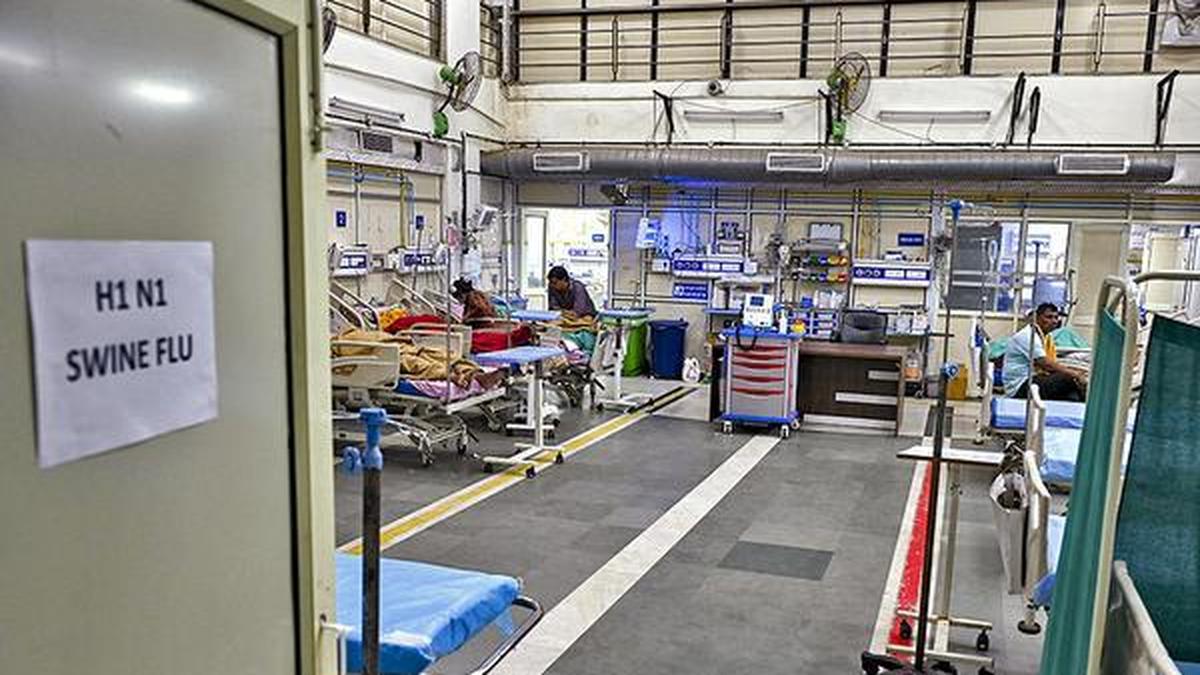
India is experiencing a surge in seasonal influenza, with H1N1 responsible for a significant portion of the rise in influenza A infections, according to the Indian Council of Medical Research (ICMR). Director General Rajiv Bahl declared on August 25, 2026, that there is no need for alarm, as the virus currently spreading is the familiar A(H1N1)pdm09 strain, which has become a seasonal flu virus.
Most infections are mild and self-limiting, but severe disease is more likely in vulnerable groups. The increase is notable in specific states, such as Delhi, which reported 1,777 H1N1 cases this year, and Karnataka, with 4,212 laboratory-confirmed cases by August 22. The government is treating the rise as a regular seasonal influenza event requiring close monitoring.
Despite the H1N1 virus responsible for the 2009 pandemic no longer being present, it has evolved into one of the seasonal influenza viruses that circulate annually. Influenza vaccines must be updated regularly due to ongoing genetic changes, known as antigenic drift. The H1N1 viruses circulating in India are currently aligned with the recommended vaccine strains.
While vaccination is relevant for high-risk individuals, it does not prevent infection entirely. The focus should be on staying at home when sick, maintaining good hygiene, avoiding close contact with vulnerable people, and seeking medical attention if symptoms worsen. The National Centre for Disease Control and laboratories monitor influenza activity to detect changes in the virus and unusual clusters early.
Written by urgent.news from The Hindu's reporting — not their text. Machine-written — may contain errors; check the original before relying on it.
This story
This is one outlet's version. Read the fullest account.