H1N1 in India: A seasonal surge, not a new strain, says ICMR
Delhi has reported 1,777 H1N1 cases this year, while Karnataka had recorded 4,212 laboratory-confirmed influenza cases across 32 districts by August 22. Maharashtra, too, has reported a rise in H1N1 infections
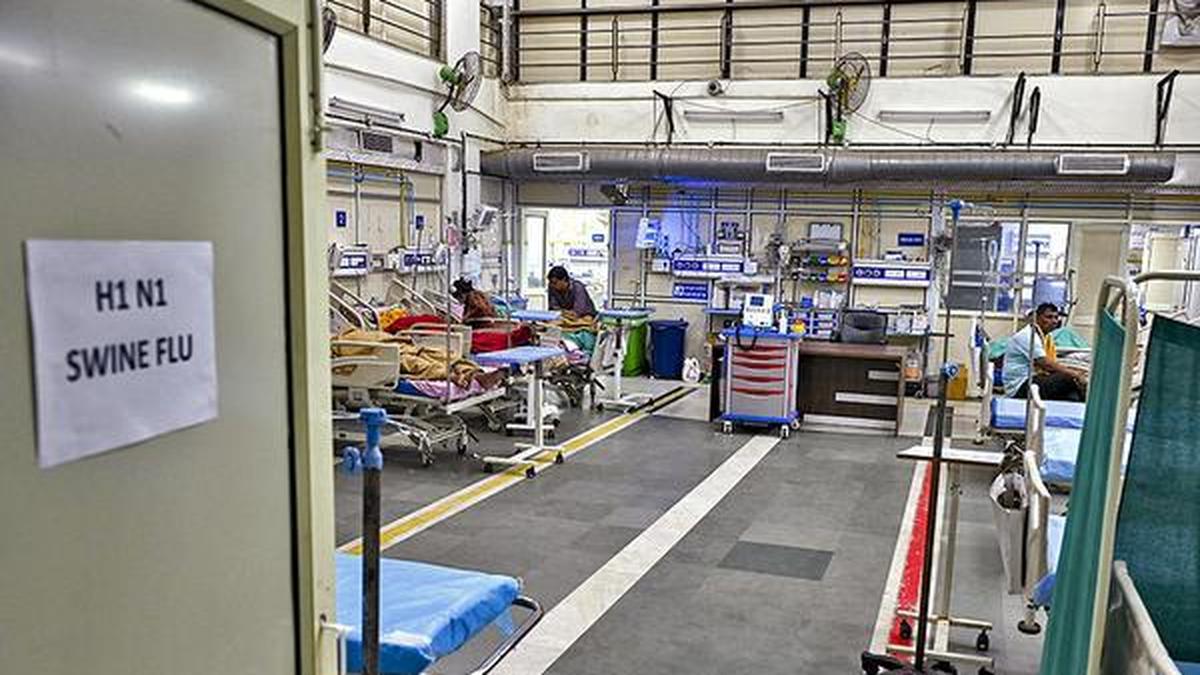
India is experiencing a seasonal surge in H1N1 influenza infections, according to the Indian Council of Medical Research (ICMR). The director general of ICMR, Rajiv Bahl, stated that the virus currently circulating is the familiar A(H1N1)pdm09 strain, which is a seasonal influenza virus. Most infections are mild and self-limiting, while severe disease is more likely among vulnerable groups such as older adults, young children, pregnant women, and those with chronic illnesses or compromised immune systems.
The rise in infections is substantial in some states, with Delhi reporting 1,777 cases and Karnataka recording 4,212 laboratory-confirmed influenza cases by August 22.
The Union government is treating the increase as a seasonal influenza event requiring close surveillance. Health Minister J.P. Nadda reviewed the national situation on August 21, focusing on influenza-like illness, severe acute respiratory infections, laboratory surveillance, hospital capacity, and other medical resources. The H1N1 virus, responsible for the 2009 pandemic, has evolved into one of the viruses that cause seasonal influenza, undergoing small genetic changes known as antigenic drift. As a result, influenza vaccines must be regularly updated to match the circulating strains.
Influenza can lead to various complications, including viral pneumonia, secondary bacterial pneumonia, and respiratory failure. People at higher risk should seek medical attention promptly if they experience persistent or worsening symptoms. The Indian government's response emphasizes close surveillance, robust laboratory testing, and proactive preparedness, rather than testing every person with a cough and fever.
India's H1N1 numbers show a significant fluctuation, with 3,320 cases and 14 deaths recorded in 2025 through September. While the absence of a new strain does not make vaccination irrelevant, it is particularly relevant for people at higher risk of complications.
Written by urgent.news from The Hindu Health's reporting — not their text. Machine-written — may contain errors; check the original before relying on it.
This story
This is one outlet's version. Read the fullest account.