Ghana’s public debt falls to 49% of GDP in 2025 from 70.3% — World Bank
Ghana’s public debt declined sharply from 70.3% of GDP in 2024 to 49% at the end of 2025, marking significant progress in efforts to restore debt sustainability, the World Bank has said. World Bank Division Director for Ghana, Liberia and Sierra Leone, Robert R. Taliercio, said the reduction was among the key gains recorded under Ghana’s ongoing economic reform programme. He was speaking in Accra…
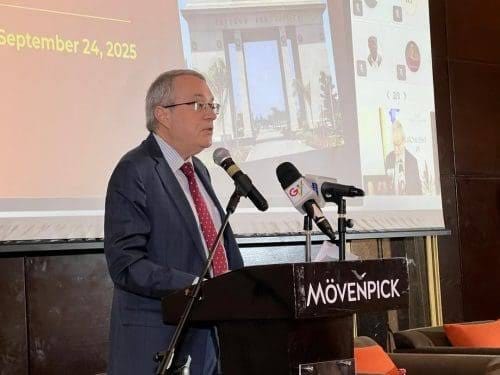
Ghana's public debt has dropped significantly, falling to 49% of the country's GDP by the end of 2025, down from 70.3% in 2024, according to the World Bank. Robert R. Taliercio, the World Bank Division Director for Ghana, Liberia and Sierra Leone, highlighted this achievement during the launch of the World Bank's Tenth Ghana Economic Update in Accra. He noted that this reduction was achieved three years ahead of the expected timeline from the International Monetary Fund (IMF) program.
Mr. Taliercio attributed the improvement in Ghana's debt situation to the implementation of challenging economic decisions aimed at stabilizing the economy. He also pointed out that Ghana had achieved a primary fiscal surplus of 2.5% of GDP in 2025, surpassing the 1.5% target set by the World Bank. This fiscal surplus is a positive indicator of the country's improving fiscal position, marking a significant shift from years of increasing debt and economic strain.
Despite these advancements, the World Bank cautioned that Ghana's economic recovery is not yet complete, and there are risks that could undermine these gains if the ongoing reforms are not maintained. Mr. Taliercio emphasized that the country's debt outlook will remain sustainable if there is continued fiscal discipline and the successful completion of the restructuring of Ghana's external debt.
He further stated that the economy is projected to grow at 4.8% in 2026, with growth expected to stabilize around 5% in the medium term. Inflation is also expected to remain within target parameters, ensuring that the debt remains on a sustainable trajectory.
To sustain these improvements in public finances, the World Bank stressed the need for stronger domestic revenue mobilization and continued efforts to address financial pressures in key sectors such as energy and agriculture. Mr. Taliercio specifically highlighted the persistent challenges in these sectors as areas that require immediate attention.
He stressed that while the reduction in the debt-to-GDP ratio is a significant milestone, it should not be seen as the end of Ghana's fiscal consolidation efforts but rather as a foundation for further reforms needed to maintain debt sustainability and enhance economic resilience.
Written by urgent.news from Joy Business's reporting — not their text. Machine-written — may contain errors; check the original before relying on it.
This story
This is one outlet's version. Read the fullest account.