F.D.A. Approves the Drug Daraxonrasib That’s Poised to Transform Pancreatic Cancer
In a key clinical trial, patients who got the pill, daraxonrasib, lived twice as long as those who got chemotherapy.
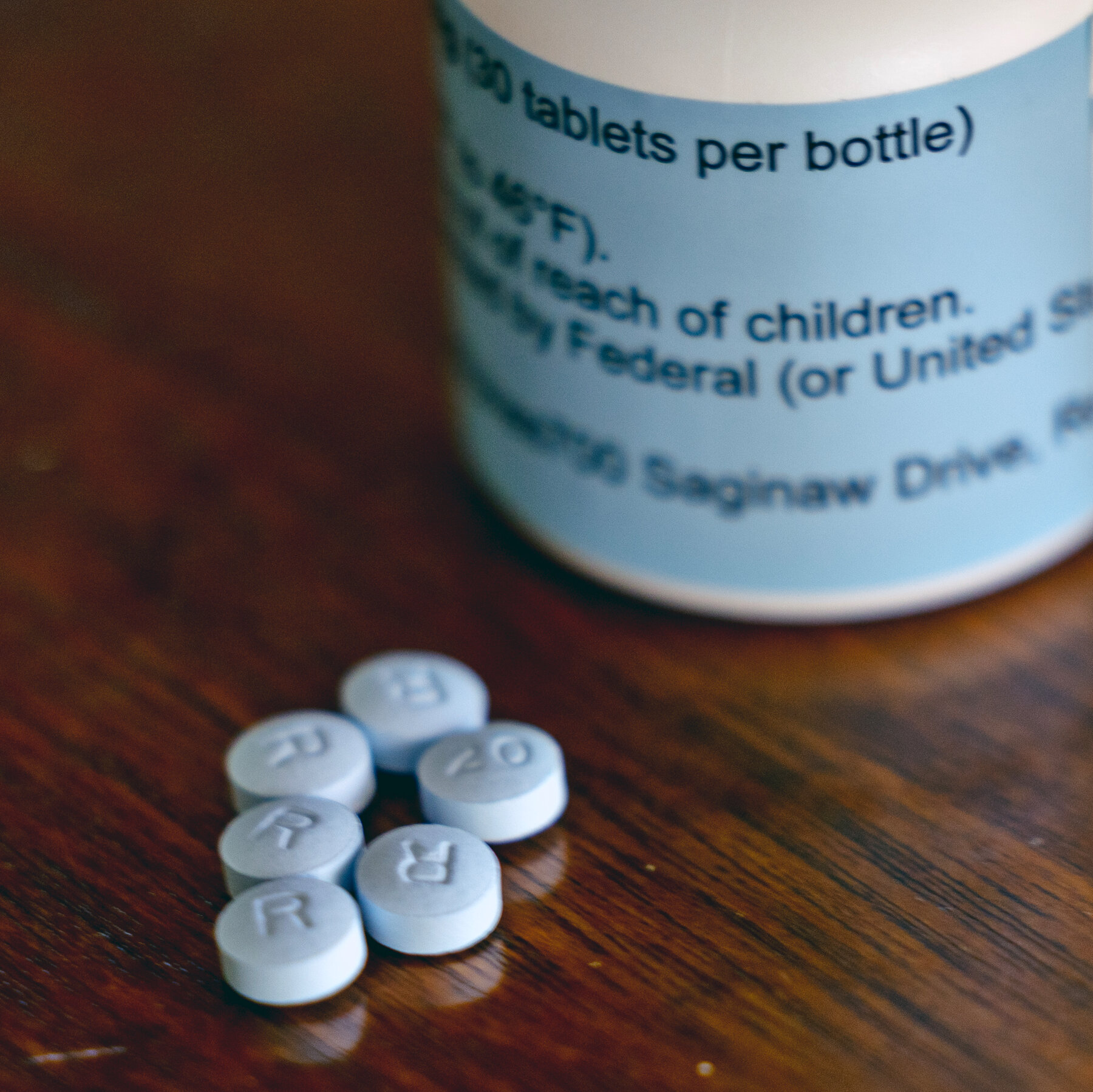
The Food and Drug Administration recently granted approval for a groundbreaking new drug aimed at combating advanced pancreatic cancer, a highly lethal form of the disease. This novel treatment, known as daraxonib, represents a significant breakthrough in the field, as it targets a mutated protein responsible for tumor growth in over 90% of pancreatic cancer cases.
The drug, manufactured by Revolution Medicines and sold under the brand name Rasonque, is administered as a daily pill. In a recent study involving 500 patients, those taking daraxonib experienced a median survival time increase of 13.2 months compared to 6.7 months among those receiving chemotherapy. Although the drug doesn't offer a cure, it has proven to be a substantial improvement in patient outcomes. Common side effects include skin rash, mouth sores, diarrhea, and other digestive issues.
Pancreatic cancer remains notoriously difficult to detect in its early stages, often leading to a poor prognosis. According to the American Cancer Society, approximately 67,000 new cases will be diagnosed in the United States this year, with more than 52,000 people succumbing to the disease. The five-year overall survival rate for pancreatic cancer is a staggering 13%.
The drug's approval came ahead of schedule, six months earlier than the FDA's target date. FDA Acting Commissioner Kyle Diamantas emphasized the agency's commitment to delivering more cures and effective treatments to patients as swiftly as possible.
Pancreatic cancer has historically been challenging to treat due to its resistance to conventional chemotherapy options. The new drug, however, targets mutations in the RAS gene family, particularly KRAS mutations, which play a crucial role in fueling pancreatic cancer growth. This unique approach, described as providing a "molecular glue" to bind with various KRAS subtypes, has opened up new possibilities for other cancer treatments as well.
Dr. Pashtoon Kasi, a cancer specialist at City of Hope Orange County, expressed optimism that this breakthrough may inspire more research into similar approaches for other types of cancer. The drugmaker, Revolution Medicines, is already exploring the potential of its technology for treating lung cancer and other forms of the disease.
Written by urgent.news from Winnipeg Free Press's reporting — not their text. Machine-written — may contain errors; check the original before relying on it.
This story
This is one outlet's version. Read the fullest account.
- FDA gives expedited approval to new groundbreaking pancreatic cancer drug theguardian.com
- FDA approves landmark pancreatic cancer drug that’s shown to improve survival apnews.com
- FDA approves Revolution Medicines' pancreatic cancer drug endpoints.news
- U.S. FDA approves landmark pancreatic cancer drug that’s shown to improve survival myjoyonline.com
- STAT+: FDA approves new pancreatic cancer drug expected to usher in new era of treatment statnews.com
- Revolution Medicines gets FDA nod for targeted pancreatic cancer drug cnbc.com
- FDA Approves Pancreatic Cancer Drug That Could Double Survival Time forbes.com
- U.S. approves breakthrough pancreatic cancer drug, heralding a new era for an intractable disease scientificamerican.com