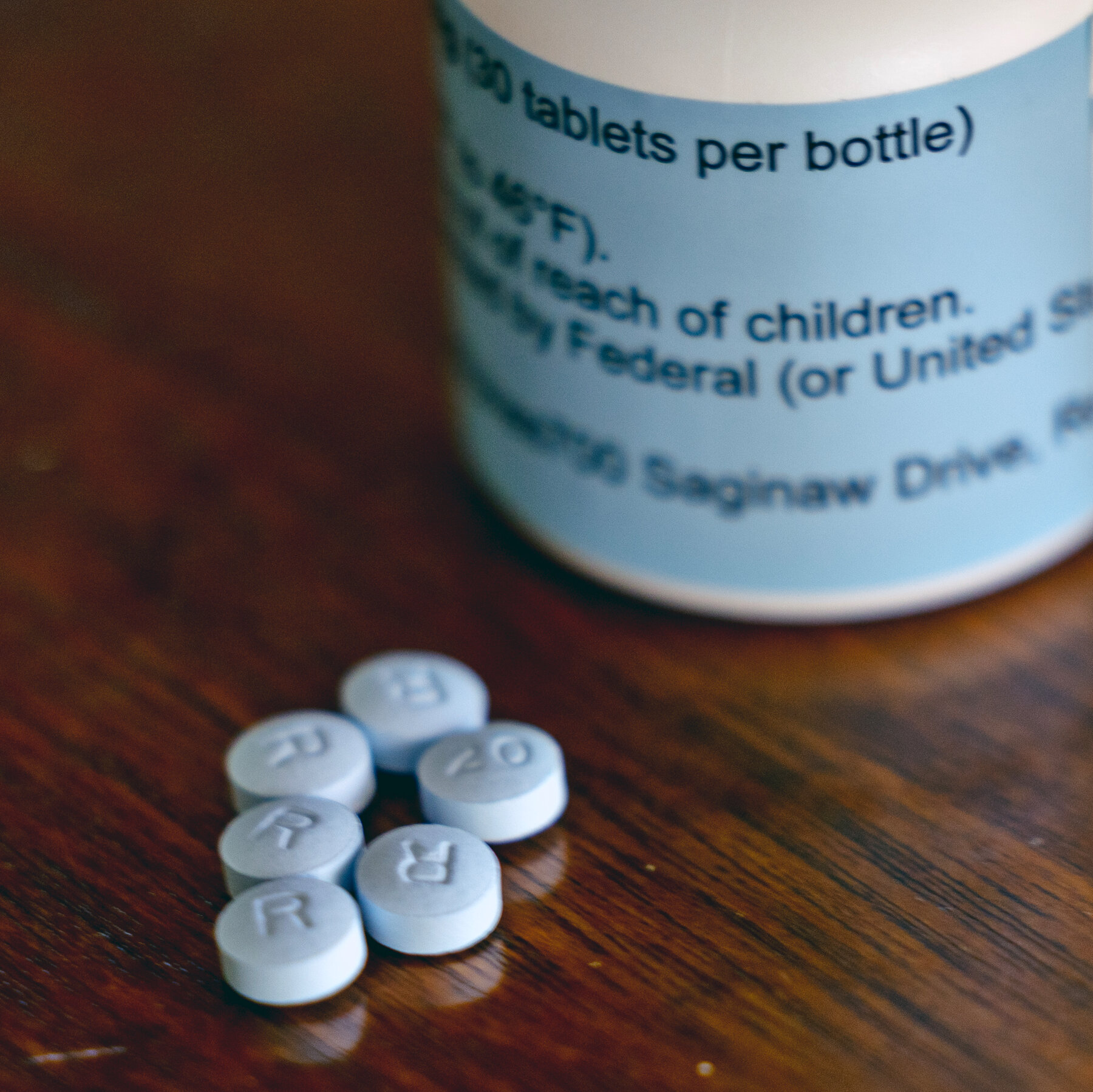
5 Lessons for Physicians From the World Cup
(MedPage Today) -- Like millions of soccer fans around the world, I was glued to many of the matches of the 2026 World Cup. The tournament reminded Americans of something the rest of the world has known for generations: Soccer is more than a game...
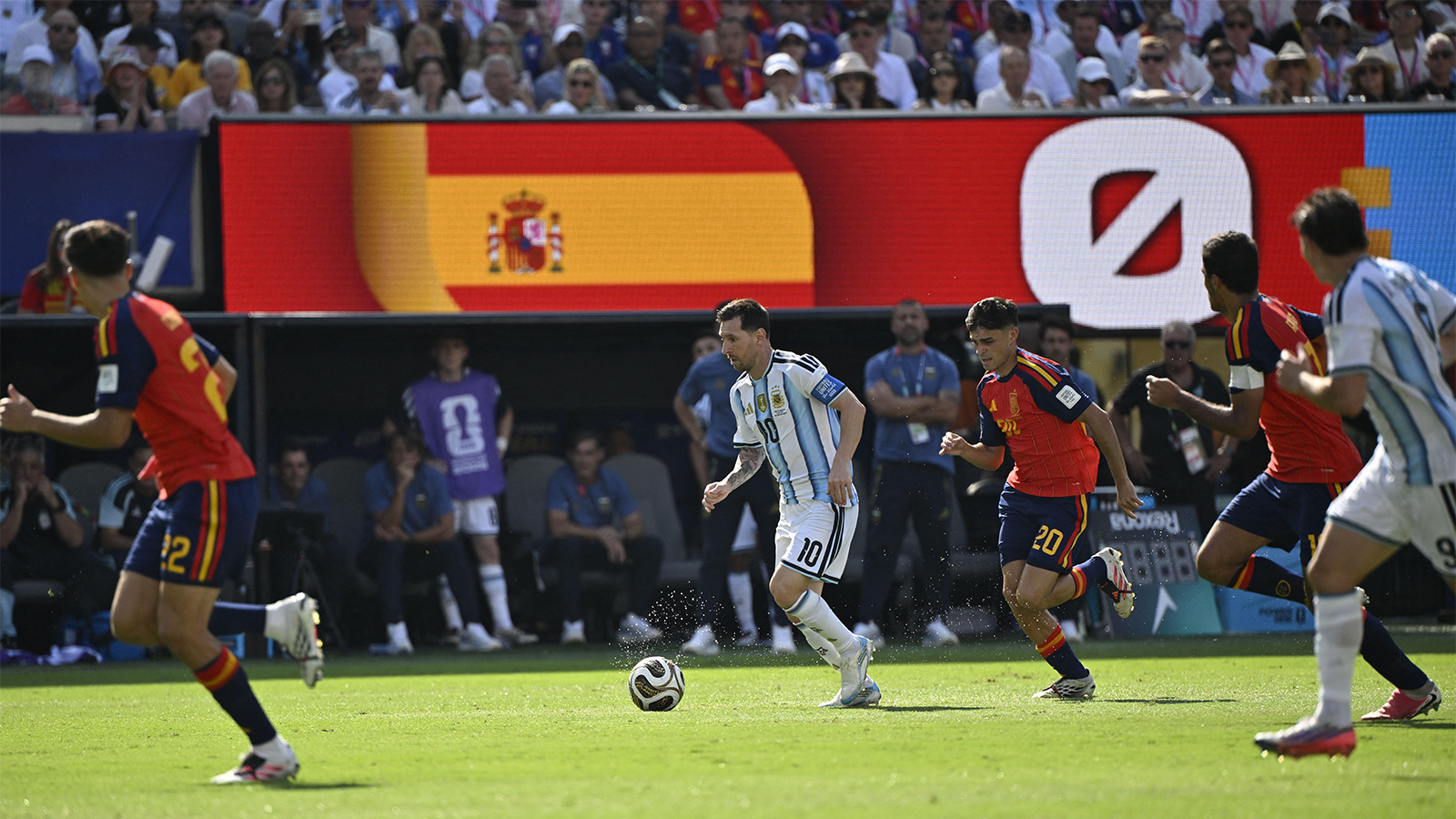
The 2026 World Cup taught Americans that soccer is more than a game; it's a valuable lesson in teamwork, preparation, leadership, discipline, and resilience. These lessons can be applied to the medical field, where physicians can learn a great deal from professional soccer players. Here are five key takeaways for physicians from the World Cup:
1. Be Ready for the Next Play: In soccer, mistakes are inevitable. A player who misses an easy goal can either become distracted by the error or quickly put it behind them and refocus on the next opportunity. Similarly, physicians should not dwell on mistakes but rather learn from them and move forward. If a physician makes an error, they should analyze what went wrong, communicate honestly about the mistake, take corrective action, and then focus on providing high-quality care for the next patient.
2. Medicine Is a Team Sport: Soccer is a team sport, and even the greatest player cannot win a match alone. In medicine, the physician is just one member of a larger team that includes nurses, medical assistants, pharmacists, therapists, technicians, social workers, administrators, and family members. When something goes wrong, the focus should be on learning from the situation and preventing it from happening again, rather than assigning blame.
Effective communication among team members is crucial, especially during patient handoffs, to ensure everyone is on the same page and can speak up if they notice any changes or discrepancies.
3. Practice Before the Game: Professional soccer players practice their skills constantly, from passing and shooting to positioning and conditioning, until these basic skills become automatic. Physicians should also dedicate time to practicing nonclinical skills that are essential for delivering high-quality care. For example, a physician can rehearse difficult conversations, practice emergency response scenarios, or train their team in critical procedures.
This practice helps to build confidence and ensures that everyone is prepared to perform well when it matters most.
4. Leadership Matters: Soccer coaches cannot run onto the field to kick the ball. Instead, they prepare their teams, establish strategies, identify problems, adjust their plans as needed, and place the right players in the right positions. Healthcare leaders should adopt a similar mindset. A medical director, department chair, office manager, or physician leader cannot solve every problem personally.
Instead, they should create an environment that fosters team performance through training, resources, feedback, accountability, and encouragement. When something goes wrong, a good leader should ask, "What happened? What can we learn? What should we do differently next time?" This approach focuses on learning and improvement rather than assigning blame.
5. The Scoreboard Isn't the Whole Story: While winning the game is the ultimate goal in soccer, it's not the only measure of success. Similarly, in medicine, outcomes are important, but they don't tell the whole story. Physicians should evaluate their care not only based on outcomes but also on the process by which it was delivered.
Were all relevant information obtained? Were reasonable alternatives considered? Was the patient involved in the decision-making process? Did the team communicate effectively? Did we follow the best available evidence and guidelines? Additionally, online reviews and patient satisfaction surveys can provide useful insights, but they should not be the sole basis for evaluating a physician's performance.
By applying these lessons from the World Cup to their practice of medicine, physicians can develop resilience, improve teamwork, enhance leadership skills, and ultimately provide better care for their patients.
Written by urgent.news from MedPage Today's reporting — not their text. Machine-written — may contain errors; check the original before relying on it.