Explainer: Why Thailand’s southern insurgency is flaring again
BANGKOK, Aug 27 — A surge in attacks across Thailand’s south has put a spotlight on the low-level insurgency...
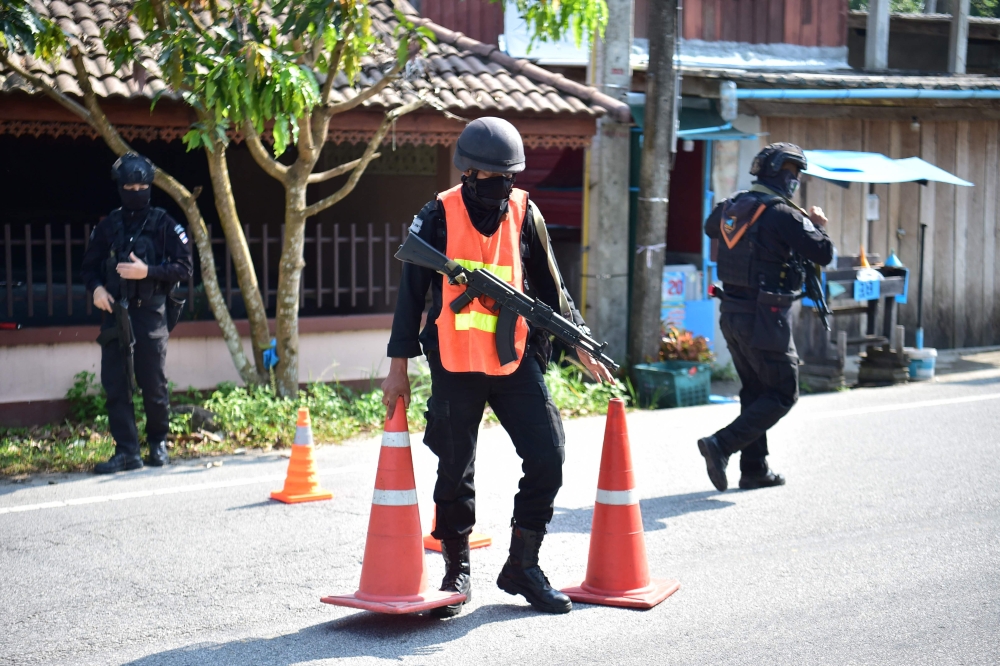
Southern Thailand has witnessed a recent surge in attacks, shining a light on the Muslim separatist insurgency that has claimed thousands of lives over the past two decades. Over the weekend, coordinated night-time assaults in the three southernmost provinces near Malaysia left three people injured and caused damage to government buildings and vehicles. A convenience store explosion occurred on Monday. These incidents mark the latest in a series of incendiary attacks in the ongoing conflict in Thailand's far south.
The conflict's origins trace back to the early 1900s when the region was part of the former Malay-Muslim Patani sultanate but was annexed by Buddhist-majority Thailand following an agreement with colonial power Britain. Cultural identity, political representation, and economic development concerns led to the emergence of militant groups, including the main rebel group Barisan Revolusi Nasional (BRN), demanding an independent Islamic nation.
The current unrest began in January 2004, following BRN raids on an army base in Narathiwat province, resulting in the deaths of several soldiers and the theft of weapons. The "Tak Bai massacre," where 78 people suffocated after being arrested and stacked in military trucks, remains a symbol of state impunity in the Muslim-majority south, with murder charges against seven officials dismissed due to expired statute of limitations.
Since 2004, around 7,000 people have lost their lives in the conflict, according to the deep south watch. Recent attacks, while unusual in their scale, are nothing new, as Matthew Wheeler, senior analyst for the International Crisis Group, stated. The attacks serve as a demonstration of militants' capabilities and continued presence, despite extensive security deployments.
They are also seen as frustrated signaling by insurgents, aiming to bring the government back to the negotiating table. Peace talks have been held intermittently, but negotiations have stalled repeatedly. Thailand's head negotiator, Thanat Suwannanon, believes the attacks may be intended to gain an advantage in the upcoming talks, while also testing the readiness of security forces.
The Thai government is using its security apparatus to address the issue, but rights advocates argue this is a political problem that requires participation from local people, including landowners and community representatives, to create a productive dialogue.
Written by urgent.news from Malay Mail's reporting — not their text. Machine-written — may contain errors; check the original before relying on it.
Also reported by 2 other outlets
- No haven in M’sia for those against peace in southern Thailand, says Khaled freemalaysiatoday.com
- Thailand's southern insurgency erupts with renewed fury asia.nikkei.com