Penang on road to gridlock as vehicles and development outpace road capacity
AUDREY DERMAWAN
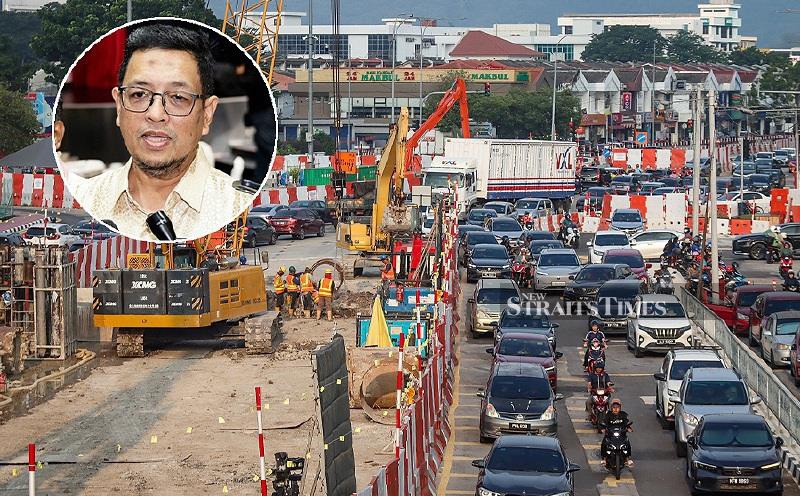
In Penang, the surge in vehicles and development is outpacing road capacity, potentially leading to traffic gridlock on major corridors, warns transport expert Professor Datuk Dr Ahmad Farhan Mohd Sadullah. The island and mainland now have nearly two vehicles per resident, with 1.8 million residents and 2.67 million registered vehicles as of 2024, including motorcycles and cars.
Professor Farhan noted increasing congestion around bridges, Batu Kawan and the northern approach to the island, particularly at the Jawi toll plaza during peak hours. However, Penang lacks sufficient data to accurately measure congestion and develop evidence-based solutions. Despite this, authorities must act promptly, utilizing available technology to monitor traffic.
The issue stems from rapid land-use development, including projects on reclaimed land, generating additional trip generators and inducing more trips. The challenge lies in planning development alongside infrastructure rather than attributing it solely to development. Penang's reliance on buses, private cars, and car-based services like e-hailing indicates a weak public transport network.
To address this, travel habits should shift now, with the upcoming Mutiara Line LRT serving as the backbone of the transport network. However, rail alone is insufficient; measures to discourage excessive private-vehicle use, such as stricter parking policies and congestion pricing, are also necessary. Professor Farhan emphasized the need for a three-pronged approach involving engineering, education, and enforcement to manage congestion.
Engineering measures aim to improve road hierarchy, optimize traffic lights, and remove bottlenecks, while education encourages better road-user behavior, and enforcement ensures compliance. Addressing congestion and safety together is crucial, as each can negate the benefits of the other.
Written by urgent.news from New Straits Times's reporting — not their text. Machine-written — may contain errors; check the original before relying on it.