El alto precio del petróleo aún puede convertirse en un suelo
Los inventarios mundiales se agotan mientras el estrecho de Ormuz sigue bloqueado y Washington y Teherán ni siquiera negocian
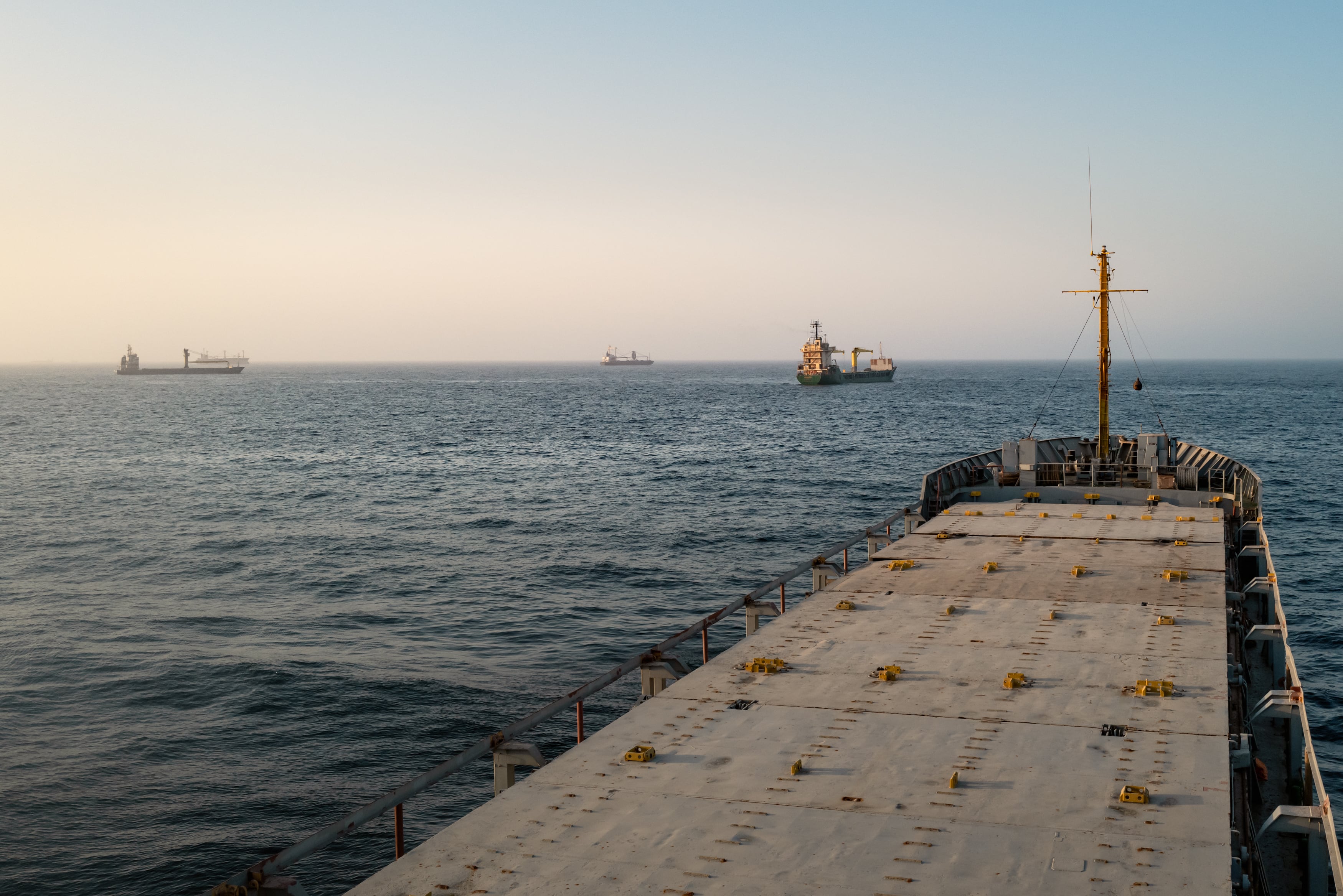
Oil operators face no relief as Brent has fallen below 103 euros per barrel for the past three months, despite the narrow Strait of Hormuz disruption. Stability relied on three shaky supports: hope for a US-Iran deal, emergency government reserves release, and weaker demand, especially from China. The first appears weakest; the 60-day deadline for a US-Iran agreement expired without an agreement this past Monday, and President Donald Trump says no talks are planned.
Meanwhile, Treasury Secretary Scott Bessent promises a broad financial offensive that could extend pressure to countries trading with Tehran, possibly suffocating Iran economically, but unlikely to fully reopen Hormuz. If so, it could prompt new Iranian reprisals. The world has already burned much of the mobilized crude reserves as a war safeguard.
The International Energy Agency (IEA) members agreed in March to release 400 million barrels of emergency stocks, and another 290 million in July, equivalent to about five weeks of the eight million daily Middle East supply that analysts estimate is offline. China helped absorb the shock by sharply cutting its crude imports, while Gulf producers pumped more oil through alternative routes, such as the Saudi pipeline to Yanbu in the Red Sea and the UAE to Fujairah outside Hormuz.
Now inventories are more stretched. Vortexa analysts calculate that maritime crude transport dropped by 211 million barrels over the past 40 days since mid-July, while land storage fell by another 94 million. If the sea decline reflected only tanker arrivals and discharges, land stocks should have risen. Instead, they fell too, indicating the market is consuming both cushions at once.
In total, that means there were about 300 million fewer easily available barrels to meet demand. Land stocks are now 93 million below their seasonal average, while they were 127 million above at the end of March. The remaining supply fixes are equally fragile. Hormuz traffic is around 90% lower than February levels in the week to August 16, according to Lloyd’s List, while Houthis make the Saudi diversion via the Red Sea less reliable.
Refineries also have few incentives to ease pressure: diesel and other fuel scarcity has kept refining margins unusually high. Low oil prices still have defenders. China has shown it can consume and process less crude, while governments keep substantial emergency reserves. Trump may seek a compromise if expensive fuel becomes politically intolerable.
However, none of those solutions resolve a prolonged Hormuz disruption. If inventories keep falling, a US or Iran escalation could push oil above 86 euros. Even without it, yesterday's 79 euros may start to feel like a floor.
Written by urgent.news from El Pais Economia's reporting — not their text. Machine-written — may contain errors; check the original before relying on it.