EGAT Outlines Five-Phase Plan for Small Nuclear Reactors
The Electricity Generating Authority of Thailand has begun feasibility work on small modular nuclear reactors, outlining a five-phase programme covering initial studies, regulatory approval, construction, operation and eventual decommissioning. EGAT is hiring consultants to assess technology, costs, potential sites, environmental impacts, legal requirements and earthquake risks, assistant…
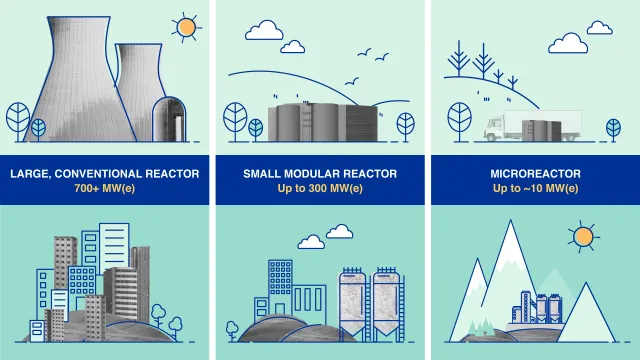
The Electricity Generating Authority of Thailand (EGAT) has initiated a five-phase program to evaluate small modular nuclear reactors (SMRs). Assistant Governor Eakarat Samintarapanya unveiled the plan at a Matichon seminar in Bangkok. EGAT is enlisting consultants to scrutinize technology, costs, potential sites, environmental implications, legal requirements, and earthquake risks.
The authority also plans personnel and public engagement initiatives, anticipating a timeline exceeding ten years. The draft Power Development Plan 2026 envisions nuclear capacity of up to 9,000 megawatts by 2050, commencing with a 300MW reactor in 2037. Achieving this goal would necessitate approximately 30 reactors of this size, though the number might be altered based on technological advancements and evolving energy conditions.
Eakarat emphasized the importance of sustained government backing, new regulations, proven technology, transparency, skilled personnel, and public acceptance for the program. EGAT is collaborating with Thai and international entities to train experts and establish infrastructure in accordance with International Atomic Energy Agency (IAEA) guidelines.
Private-sector representatives expressed optimism about SMRs as a dependable source of low-carbon electricity, heat, and steam for industry. They highlighted the potential of SMRs to supplant gas-fired plants and mitigate dependence on volatile imported LNG prices. Global Power Synergy Plc (GPSC) advocated for expedited preparations and compliance with the IAEA's 19 infrastructure prerequisites.
However, the cost competitiveness of SMRs remains a contentious issue. Chulalongkorn University's nuclear engineering department head, Assoc. Prof. Somboon Rassame, stressed the importance of preparing Thailand's legal framework, workforce, and technical capability concurrently with ongoing evaluations of competing designs. Only four SMR units are operational worldwide as of July, primarily in China and Russia, according to the IAEA.
Energy executive Treerat Sirichantaropas urged the government to disclose comprehensive studies on costs, safety, waste management, locations, and risks before public hearings commence on September 8. Sirichantaropas also called for an assessment of the target's impact on electricity prices, grid stability, and Thailand's competitiveness.
Written by urgent.news from Thai Enquirer's reporting — not their text. Machine-written — may contain errors; check the original before relying on it.