Dubai shared housing rules come into effect in bid to curb dangerous accommodation
A new law regulating shared accommodation in Dubai came into effect on Wednesday, introducing permits and occupancy controls as authorities move to tackle overcrowding and informal housing. Law No 4 of 2026 covers properties where individuals or families rent their own space while sharing facilities such as kitchens, bathrooms and dining areas. Dubai Municipality will determine the maximum number…
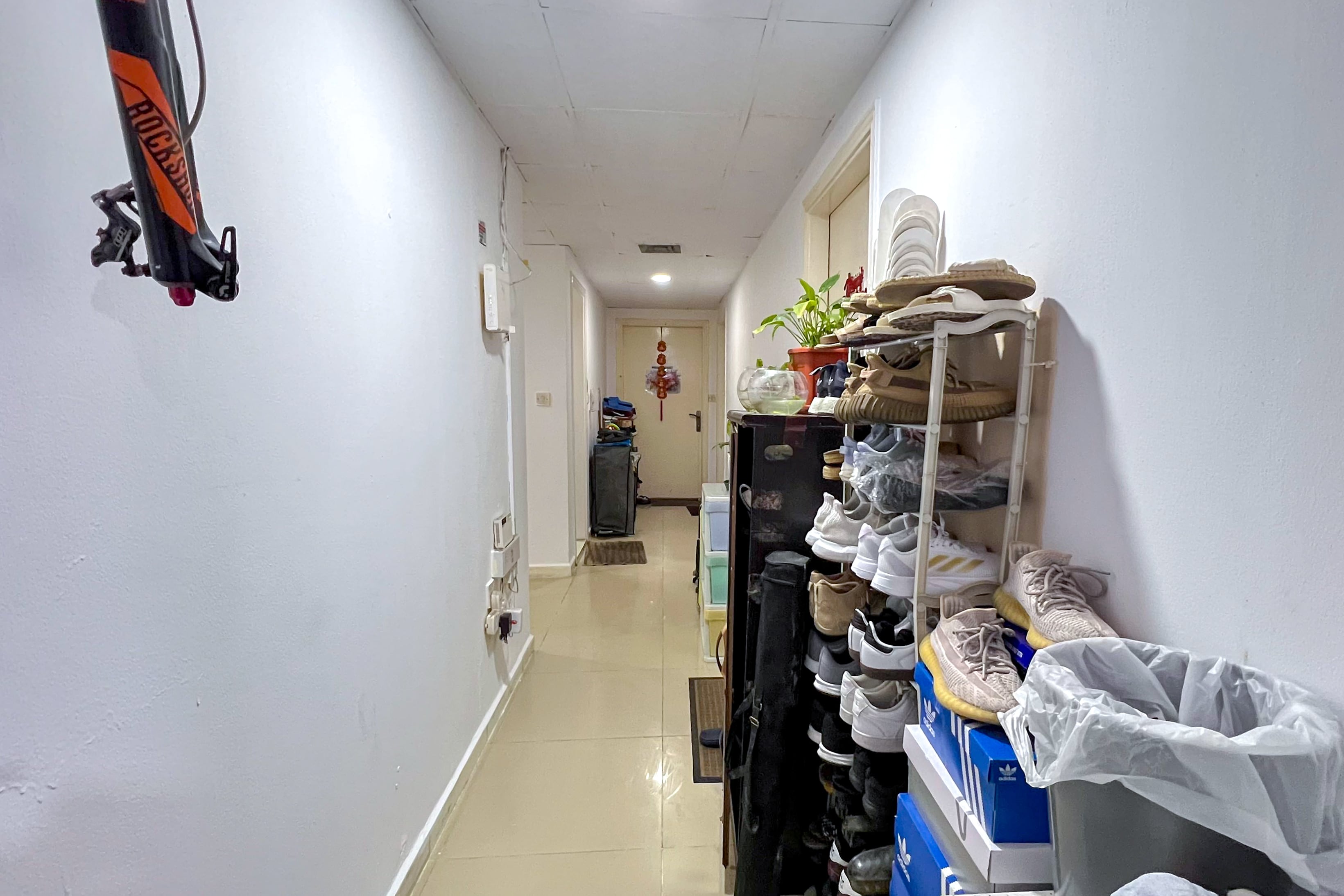
Dubai has introduced new shared housing regulations to address overcrowding and unregulated accommodation. Law No 4 of 2026, issued by Sheikh Mohammed bin Rashid, went into effect on Wednesday, imposing permits and occupancy limits on shared properties. These regulations cover properties where individuals or families rent their own space while sharing common facilities like kitchens, bathrooms, and dining areas.
Dubai Municipality will decide the maximum number of occupants per property, the required space per resident, and the necessary communal facilities.
Under the new rules, existing shared accommodation must comply within a year of the law's implementation. Landlords and businesses operating shared accommodations have one year from the law's effect to bring their properties into compliance. The legislation aims to prevent overcrowding, improve health and safety standards, and protect the rights of both landlords and residents.
A significant incident in July last year involved a fire at a residential block in Dubai Marina, which housed over 3,800 people. The fire was attributed to illegally partitioned homes, highlighting the need for stricter regulations. The new rules prohibit the use of wooden or non-fire-rated gypsum boards to divide bedrooms, living areas, or balconies without proper permits. These makeshift barriers are often used to accommodate more tenants or create additional office space within residential units.
Permits for shared accommodation will be valid for one year and can be renewed, though authorities may grant two-year permits at the owner's request. Only property owners and licensed operators will be allowed to lease shared accommodation, and residents will not be permitted to sublet their allocated spaces to others. However, tenants can terminate their agreements by providing the required notice and can recover prepaid rent, minus one month's rent.
Violations of the law can result in fines ranging from Dh500 to Dh500,000, with penalties potentially doubled for repeated offenses within a year, up to a maximum of Dh1 million. Authorities can also suspend operators for up to six months, cancel permits or commercial licenses, disconnect utilities, and ultimately seek eviction of non-compliant properties.
Written by urgent.news from The National UAE's reporting — not their text. Machine-written — may contain errors; check the original before relying on it.
Also reported by 2 other outlets
- Dubai shared housing rules come into effect in bid to curb dangerous accommodation thenationalnews.com
- New shared accommodation law in Dubai takes effect arabianbusiness.com