Could the delay to China’s moon mission ease pressure on Nasa?
China’s delay of a high-stakes mission to hunt for water ice near the moon’s south pole may slow its lunar ambitions, but is unlikely to change the bigger contest with the United States over who can build a lasting presence on the moon, according to space experts. No reason was given when Chang’e-7 was postponed until next year, just hours before Sunday night’s scheduled lift-off, though a major…
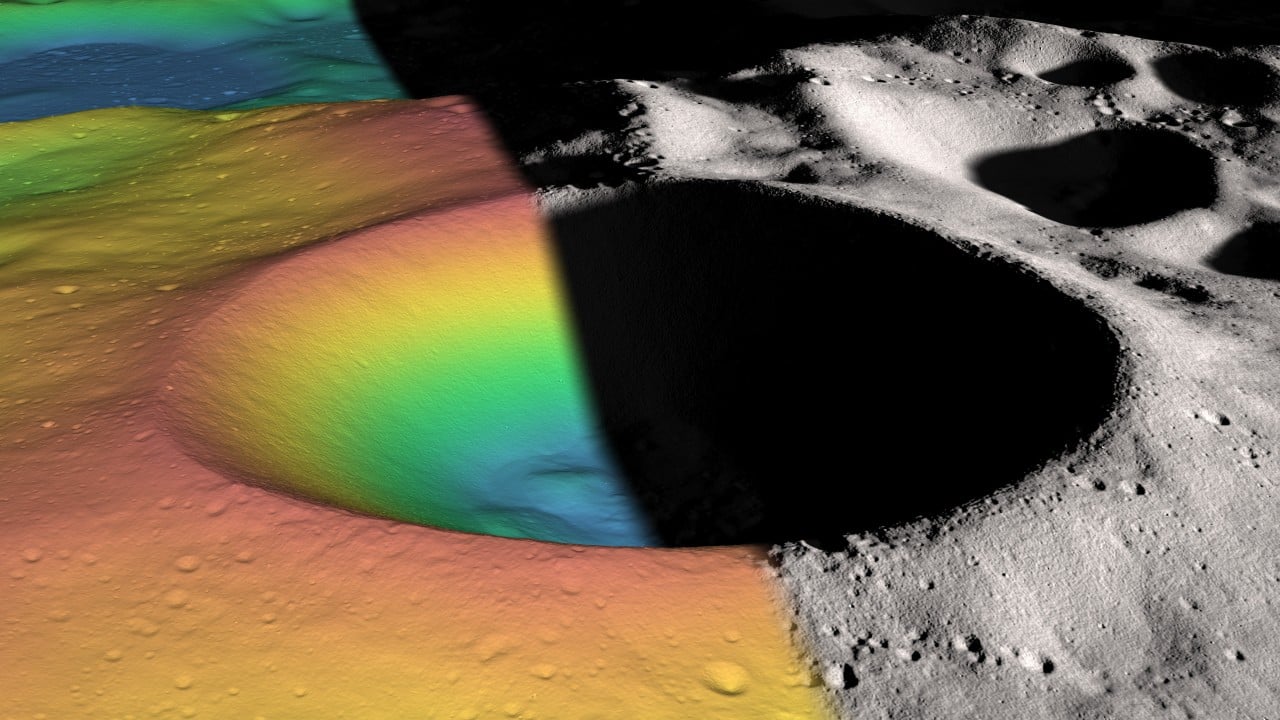
China's postponement of its high-stakes Chang'e-7 lunar mission, aimed at searching for water ice near the moon's south pole, may ease pressure on NASA but is unlikely to alter the broader contest between the United States and China for establishing a lasting presence on the moon, according to space experts. The mission was delayed until next year due to a tropical storm approaching the launch site, which prevented the rocket from meeting launch requirements.
Space security strategist John Sheldon stated that space professionals in the US would not be pleased by the delay, as similar issues have caused problems for US lunar missions. However, politically, this delay could provide NASA with an opportunity to reach the lunar south pole region first. The Chang'e-7 mission, which is especially ambitious with its combination of orbiter, lander, rover, and a hopper, relies heavily on sunlight and has limited launch windows due to its solar-powered nature.
While the delay might give NASA a chance to explore the southern lunar pole region first, it does not necessarily indicate a loss for China in the competition for a sustained lunar presence. Instead, it highlights that neither the American nor Chinese lunar timetables should be considered fixed.
Written by urgent.news from South China Morning Post's reporting — not their text. Machine-written — may contain errors; check the original before relying on it.
This story
This is one outlet's version. Read the fullest account.