Could helicopter drones be the next big military breakthrough? This US firm says its new unit can fly up to five times longer than traditional battery-powered quadcopters
Iveda’s GX10-F100 combines gasoline propulsion, extended endurance, cargo capacity, autonomy software, and government-focused applications for demanding operations.
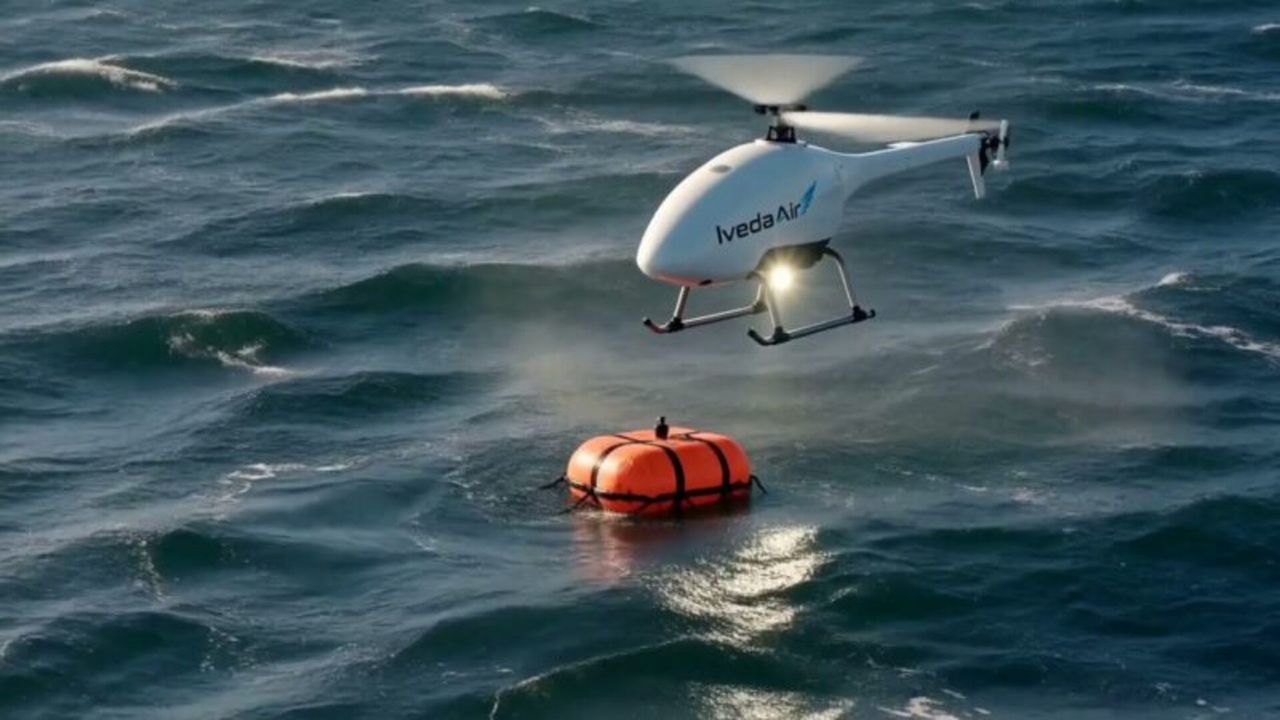
Iveda has introduced a rotary-wing unmanned aircraft called the GX10-F100, designed for military logistics, reconnaissance, and communications support. The aircraft can remain airborne for over 150 minutes, five times longer than traditional battery-powered quadcopters. The GX10-F100 is gasoline-powered, carries up to 19 pounds of cargo, and features a semi-symmetrical carbon-fiber airframe for rugged environments.
With a 1.43-gallon fuel tank, it reaches speeds of 68 mph and has an operational range of 19 miles. Iiveda claims the onboard autonomy software supports live video, route guidance, and object tracking without continuous manual flight control. The aircraft is targeted at coastal and remote operating environments, addressing the limitations of current drone systems.
Iiveda's CEO, David Ly, aims to solve mission-critical operator issues with this new helicopter line. The GX10-F100 is eligible for procurement through GlobalMed under federal logistics arrangements and for purchase by qualified pilots. The aircraft complies with federal procurement requirements for defense acquisitions and agreements governing eligible commercial suppliers.
However, the gasoline engine introduces logistical challenges not present in many battery systems. While the GXS10-F100 offers longer flight duration, endurance under maximum payload conditions and actual operating conditions remain unverified. Iiveda also plans to convert retired full-size helicopters into autonomous aircraft, expanding its unmanned aviation capabilities.
Written by urgent.news from TechRadar's reporting — not their text. Machine-written — may contain errors; check the original before relying on it.