China’s data centres will reportedly use more power than South Korea by 2030
In 2025, Chinese data centers were expected to use 479 TWh/year by 2030. Now, they're expected to use 774 TWh/year by 2030.
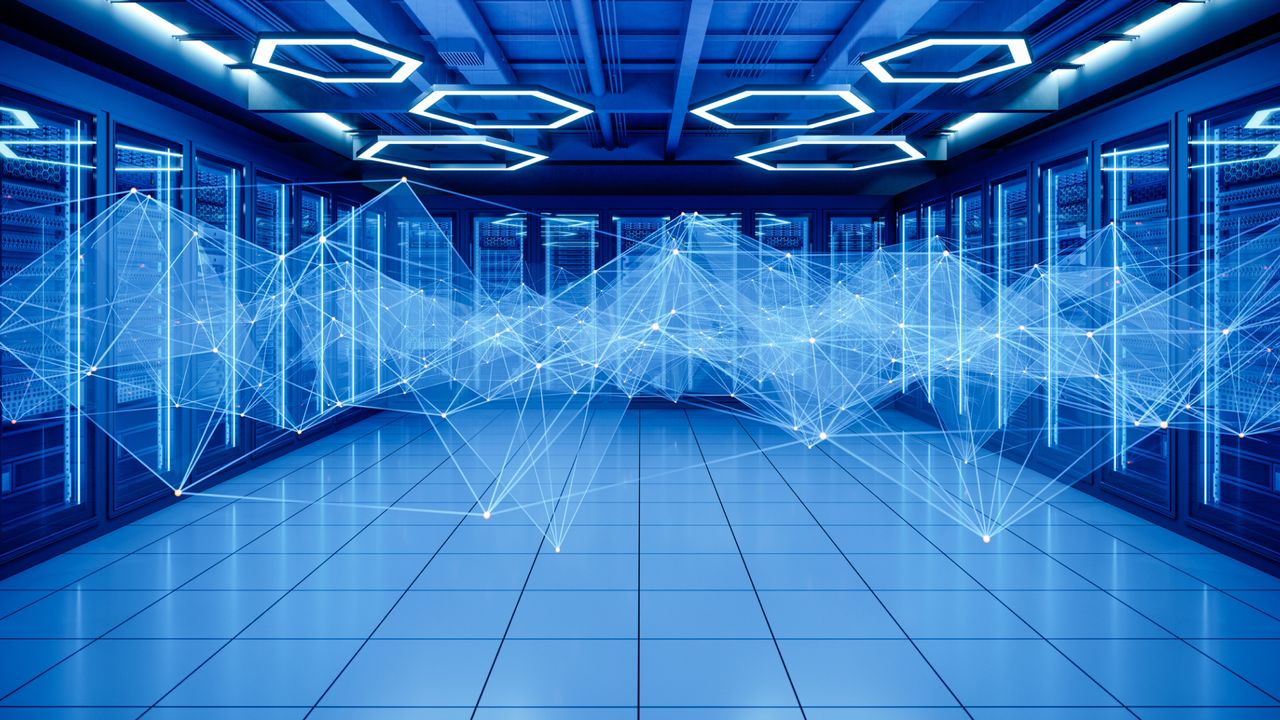
By 2030, Chinese data centers are projected to use more electricity than the entire nation of South Korea, according to recent reports. As part of China's ongoing AI investments, these data centers are expected to consume a combined 774 terawatt-hours (TWh) of electricity annually by the end of the decade, a significant increase from their current usage. This marks a fourfold rise in consumption over the coming years.
Wood Mackenzie researchers believe that by 2030, Chinese data centers will account for approximately 6% of the country's total electricity consumption. This figure is expected to climb to as high as 17% by 2060. To cope with the surging power demand, data centers are being relocated to cheaper regions, particularly in areas with low-latency connections for immediate performance. Simultaneously, less critical tasks like training, backups, and storage are being moved to areas with lower latency requirements.
The country's total estimated annual electricity consumption is expected to reach 12,900 TWh by the end of the decade, placing immense strain on grids to expand. Data centers are projected to contribute significantly to this increase, with two main areas driving energy consumption: inference-related consumption from running models for users and businesses, as well as unpredictable and high-spiked training demands due to increasingly sophisticated models.
As AI drives sustained growth in computing demand, access to reliable, cost-competitive, and lower-carbon electricity will become increasingly crucial in determining where and how new data center capacity is developed. While analysts predict that data center-related energy consumption will continue to rise for decades, they also expect data center emissions to peak around 2035, suggesting that renewable sources may be slightly delayed.
In response to these challenges, data centers could become more flexible in terms of mitigating their impact on the grid. Non-urgent workloads could be scheduled to run during periods of cheaper renewable production or lower grid demand, allowing data centers to play a more active role in China's evolving power system.
Written by urgent.news from TechRadar's reporting — not their text. Machine-written — may contain errors; check the original before relying on it.