China can catalyse local finance for home solar in the Global South
Kenya's small-scale solar market shows how local capital can be just as important as big China-funded renewables projects, writes Man Kit Chung The post China can catalyse local finance for home solar in the Global South appeared first on Dialogue Earth .
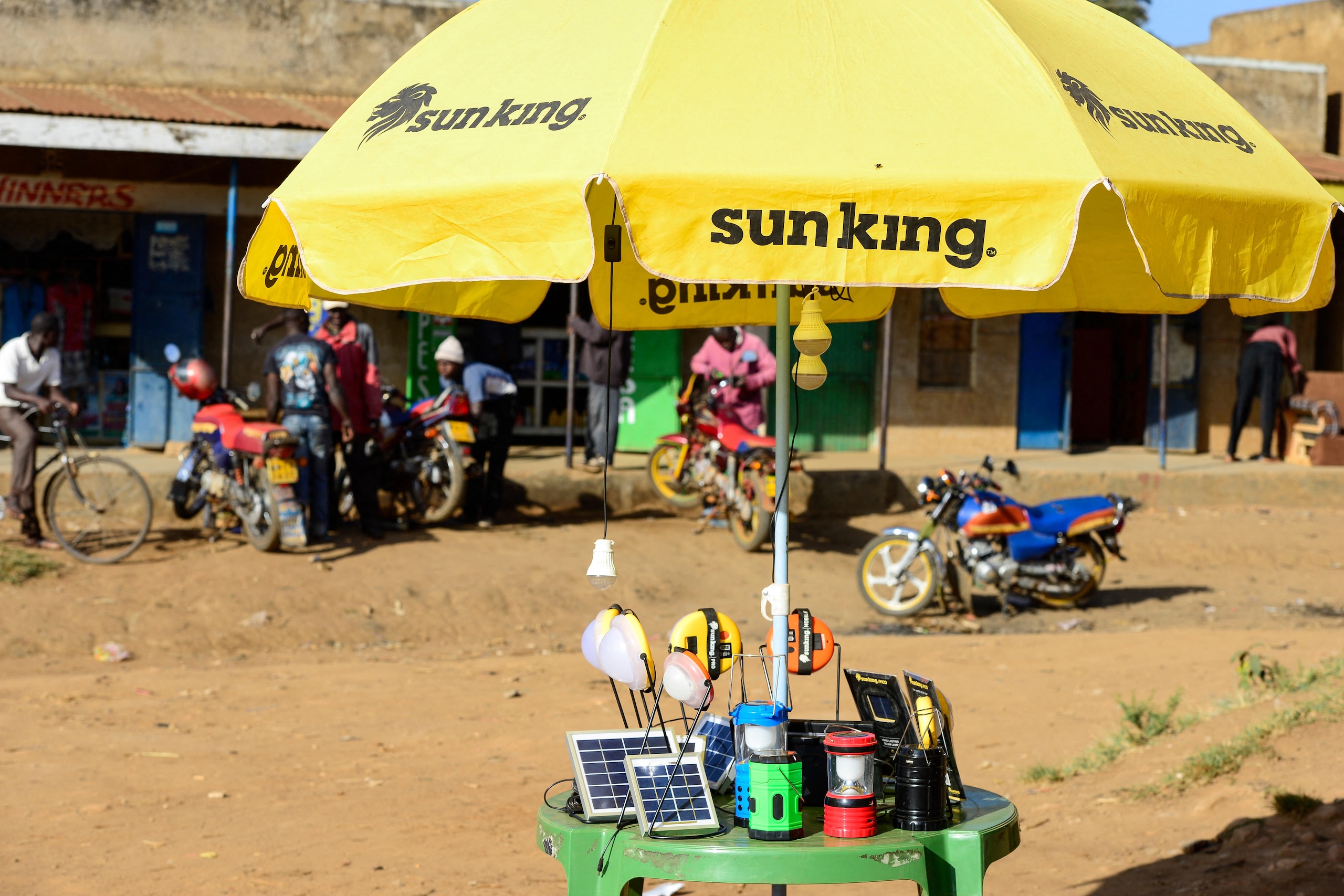
China has long been a top manufacturer of solar power equipment, exporting USD 29 billion worth of products in 2022. The majority of its focus has been on large, grid-connected projects rather than the off-grid, distributed solutions needed by many communities in the Global South. However, starting in 2021, China began to include smaller, cheaper projects in its overseas cooperation efforts.
The Africa Solar Belt Program launched in 2023 aims to provide basic electricity access to 50,000 households in three years, but only public funds of CNY 100 million (about USD 14 million) have been committed. This is a far cry from China's utility-scale projects, which can cost hundreds of millions of dollars. Research institutions, think-tanks, and NGOs argue that China should shift its focus to financing off-grid and microgrid solutions in the Global South, particularly in rural areas.
However, the gap in funding is not just about China's preferences. Governments in the Global South could also play a role by mobilizing local capital to address structural issues in their own capital markets and fund local renewable energy. China could act as an "anchor investor," purchasing off-grid solar debts issued by local banks, and as an "asset builder," helping communities create assets and find innovative income streams to pay for financing models.
While China's preference for larger projects is a common issue in global development finance, many Global South countries could do more to mobilize their own funds. Relying on external development financing reduces their ability to guide their own renewables development. Some countries, like South Africa and Nigeria, have relatively smaller investments in energy infrastructure compared to their total assets.
Africa as a whole has a significant opportunity for growth in infrastructure and productive sectors, but institutional investors, including pension funds, insurers, and sovereign wealth funds, only allocate around 2.7% of their USD 4 trillion in assets to these sectors.
Written by urgent.news from Dialogue Earth's reporting — not their text. Machine-written — may contain errors; check the original before relying on it.
This story
This is one outlet's version. Read the fullest account.