Childhood cancer: India has the treatment, but not the reach or the data
The country’s capability when it comes to treating childhood cancer has expanded immensely. The challenge however is, we do not know how may children have cancer, and not every child with cancer is able to reach and afford these treatments
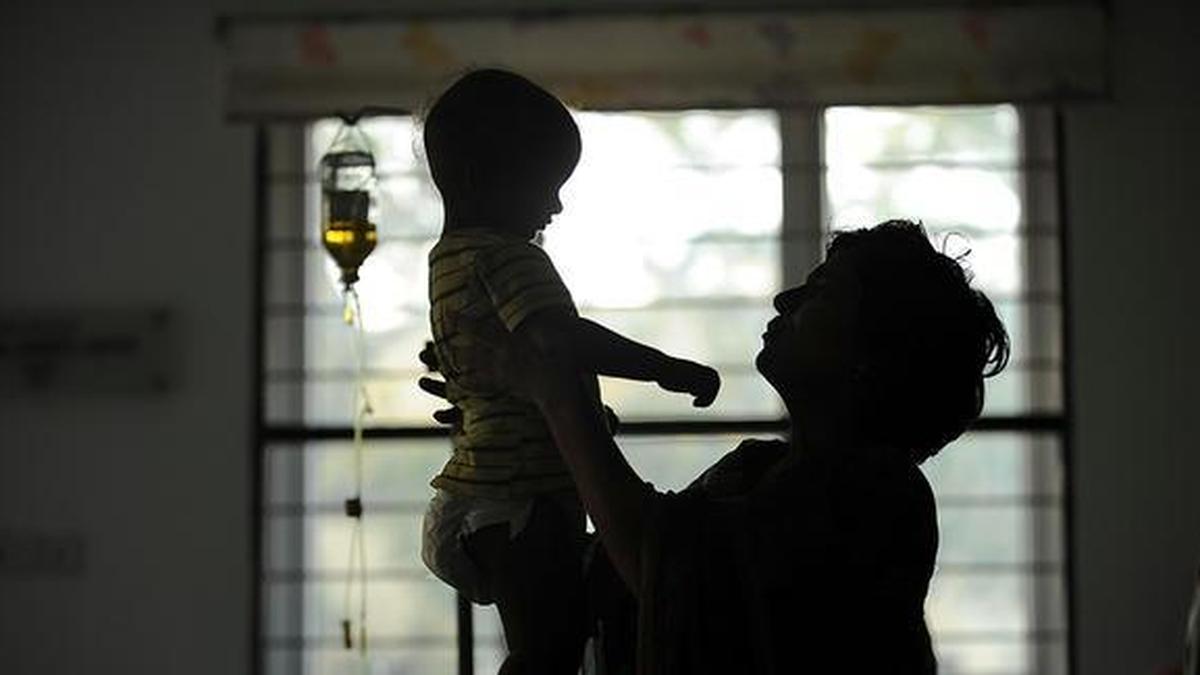
Childhood cancer remains a pressing issue in India despite the availability of effective treatments. According to a new study published in The Lancet Regional Health Southeast Asia, India is home to the largest number of childhood cancer cases in the South Asian Association for Regional Cooperation (SAARC) region, accounting for approximately 68.6% of the regional total. Leukaemia is the most common cancer in all countries, followed by central nervous system (CNS) tumours.
However, many children in India do not receive timely and comprehensive treatment due to several factors. One significant challenge is the lack of a cancer registry that covers the entire population, which hampers the accurate identification of geographic patterns of childhood cancer. Cancer registration in India is particularly limited in rural areas, leading to unrecorded cases.
This hampers the ability to determine where childhood cancer occurs most frequently and whether regional hotspots are due to genuinely higher incidence or simply better reporting.
Furthermore, delayed diagnosis, advanced-stage presentation, treatment abandonment due to financial constraints, infections, malnutrition, and limited access to specialized paediatric oncology services complicate cure and survival rates. While many childhood cancers have excellent cure rates if diagnosed early and treated promptly, the overall cure rates in India remain uneven compared to high-income countries. In most low- and middle-income countries, including India, cure rates are less than 30%.
The Indian government's Ayushman Bharat scheme provides health cover of up to ₹5 lakh per family, with initial standard treatment either free or heavily subsidised in government hospitals. However, costs can escalate sharply if treatment fails or relapses occur. Private treatment can also be expensive, not necessarily due to drugs but because of investigations, hospitalisation, and other charges. Families with prolonged treatment needs can face financial ruin, leading to treatment abandonment.
The good news is that early diagnosis and comprehensive treatment significantly improve the chances of survival for children with cancer. However, the biggest challenge lies in ensuring that every child who needs treatment can reach it and complete it. Addressing the gaps in cancer registration, improving healthcare access, and providing financial support for long-term treatment are crucial steps towards achieving equitable outcomes for all children suffering from childhood cancer in India.
Written by urgent.news from The Hindu Health's reporting — not their text. Machine-written — may contain errors; check the original before relying on it.