Capuchin Monkeys Hunt Small Vertebrates When Fruit Runs Low, Eating Brains and Organs First
Learn how capuchin monkeys hunt when fruit runs low, which parts of their prey they eat first, and what this may reveal about human evolution.
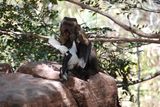
In northeastern Brazil, researchers observed wild bearded capuchins hunting small vertebrates during the dry season when fruit was scarce. The researchers documented 281 instances of the monkeys consuming vertebrates over 5,093 hours of fieldwork. The capuchins typically started by eating the brains and internal organs of their prey before moving on to muscles.
Male capuchins hunted more frequently and were the only ones observed catching snakes, usually after removing the head. The findings suggest that when fruit and other plant foods became less available, capuchins turned to hunting small animals to supplement their diet. This behavior may provide insight into how early human ancestors supplemented their primarily plant-based diet with meat when fruits were less abundant.
Written by urgent.news from Discover Magazine's reporting — not their text. Machine-written — may contain errors; check the original before relying on it.
This story
This is one outlet's version. Read the fullest account.