Bill Gates wants to see a robot tax and ‘Human Reserved’ jobs to mitigate harms from AI
Gates is mostly in the Responsible AI camp, but there are a few ideas in here we hadn't heard before.
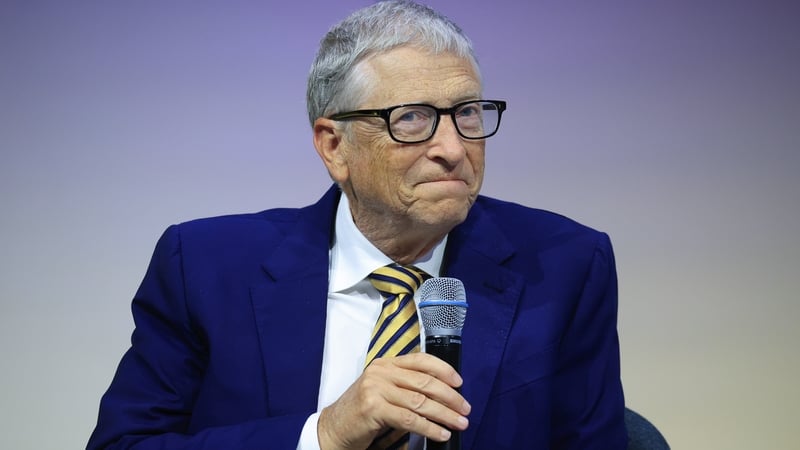
Bill Gates, the co-founder of Microsoft, has penned an essay on his Gates Notes website, expressing his contemplation on the societal impacts of artificial intelligence (AI). Gates generally supports the Responsible AI movement, advocating for a deliberate pace in AI development, as outlined in the open letter signed by AI professionals.
However, he remains doubtful about the sustainability of such a slowdown. Gates remains optimistic about AI's potential benefits in areas like science and healthcare, yet he expresses concerns over job displacement that could arise from AI integration.
A novel concept introduced by Gates is the introduction of a "robot tax." Currently, when an employer hires a human worker, they are required to pay payroll taxes on the worker's income. On the other hand, if a company purchases a robot, they can typically write it off as a business expense immediately. The proposed tax system would discourage the replacement of human labor with machines and generate revenue to support retraining programs and enhance the safety net for those affected by job losses.
Additionally, Gates suggests designating certain roles as "Human Reserved," meaning AI should not be utilized in specific tasks. This idea, while intriguing, could be implemented by policymakers as a means of preserving human labor in economic areas where AI integration might lead to significant job displacement.
Gates emphasizes that setting aside certain jobs as "Human Reserved" can be driven by both economic concerns and other factors. For instance, in the health sector, a robot could be programmed to deliver the difficult news of an incurable disease to a patient. While there is no technical barrier to AI performing this task, it would be inappropriate and ethically questionable.
Gates proposes that the list of "Human Reserved" jobs will evolve over time, with some roles being preserved while others are gradually transitioned to AI use. He also highlights that both the robot tax and "Human Reserved" jobs could significantly reduce the profits of major AI research labs, which may explain why these ideas have not gained much traction until now.
Finally, Gates acknowledges that there are still numerous questions regarding the implementation of these ideas, including who would be responsible for establishing the rules and the specific content of those rules.
Written by urgent.news from TechCrunch's reporting — not their text. Machine-written — may contain errors; check the original before relying on it.
This story
This is one outlet's version. Read the fullest account.
- Bill Gates calls for ‘human reserved’ jobs in face of AI takeover theguardian.com
- Bill Gates Calls For 'Human Reserved' Jobs As AI Threatens To Replace Workers freepressjournal.in
- ‘Human Reserved’: Bill Gates says some jobs should be off-limits to AI tomsguide.com
- ‘There is no plan’: Bill Gates sends a 6000-word warning on the dangers of AI theage.com.au
- ‘There is no plan’: Bill Gates sends a 6000-word warning on the dangers of AI smh.com.au
- Why we need ‘Human Reserved’ jobs, says Bill Gates—and how we can combat the worst of the AI upheaval cnbc.com