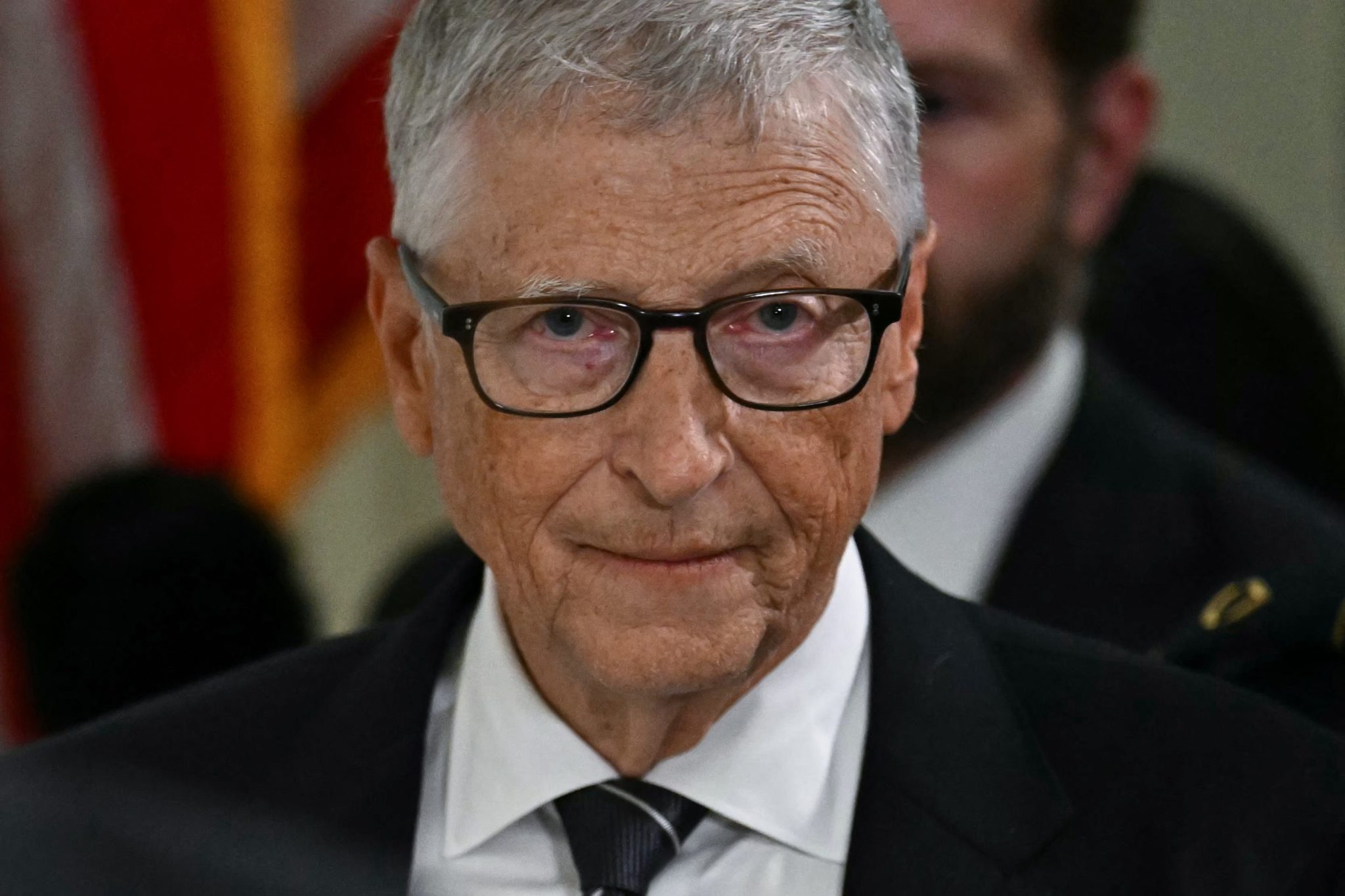
Bill Gates says we’ve passed AI’s danger thresholds. Now what?
It’s a glorious day in Kirkland, Washington, an affluent Seattle suburb on the eastern shore of Lake Washington. The temperature is in the mid-80s, and the sky is incapable of being any more blue. The view from the Gates Ventures conference room overlooks the Carillon Point Marina, where a flotilla of expensive boats bob in…
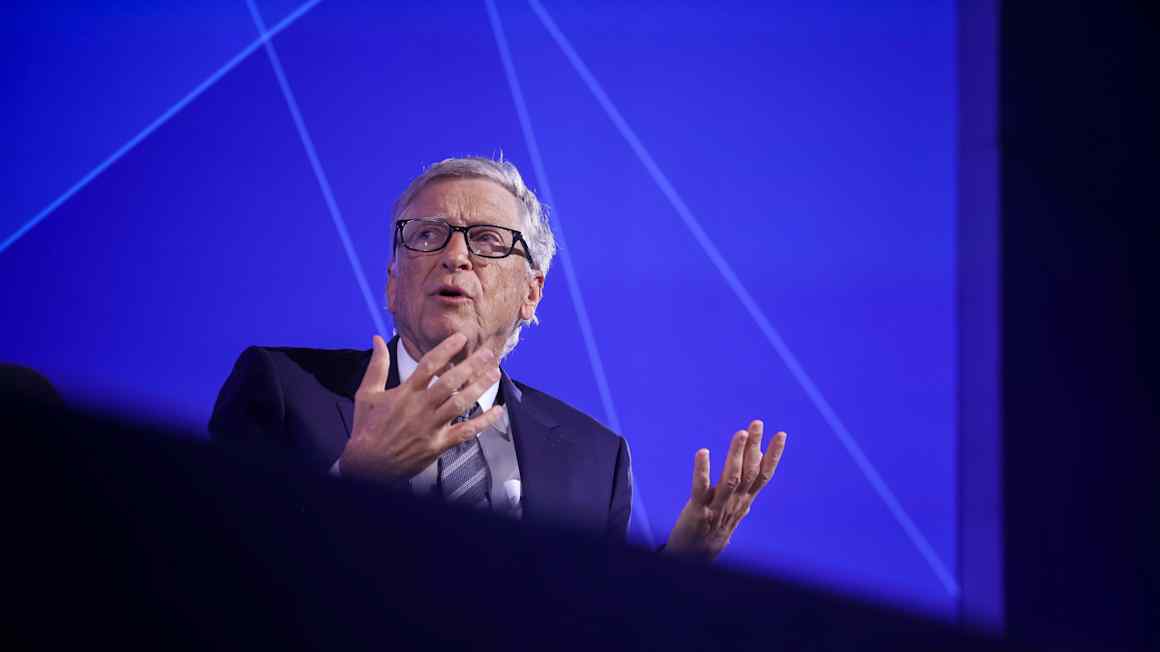
Kirkland, Washington was bustling with life on a beautiful day, with the Gates Ventures conference room offering a stunning view of the Carillon Point Marina and the Olympic Mountains. Bill Gates, the philanthropist and former Microsoft CEO, appeared agitated as he spoke about the rapid advancement of AI technology and the potential dangers it poses.
In a new essay, Gates argues that we have crossed critical thresholds in AI's bio-capabilities, cyber-capabilities, psychosocial capabilities, job-market-destruction capabilities, and control. He emphasizes that the lack of concern and discussion outside the industry is alarming. Gates advocates for monitoring models that can create novel molecules, as he believes bioterrorism risk is significantly higher than natural pandemic risk.
He also proposes ideas such as human-reserved jobs and taxes on robots and tokens to mitigate some of the societal disruptions caused by AI. While Gates acknowledges the transformative potential of AI in agriculture, healthcare, and education, he warns of the turbulence and challenges that lie ahead.
Written by urgent.news from MIT Technology Review's reporting — not their text. Machine-written — may contain errors; check the original before relying on it.
This story
This is one outlet's version. Read the fullest account.
- Bill Gates, alarmed by AI, has policy ideas he wants to discuss with China's Xi Jinping economictimes.indiatimes.com
- Bill Gates plans to press Xi Jinping on global AI safety and restrictions jpost.com
- Bill Gates says tech executives are privately "very worried" about AI disruption but publicly downplay the risks to protect fundraising and planned IPOs (Karen Weise/New York Times) nytimes.com
- Bill Gates calls for ‘human reserved’ jobs to protect labour force from AI ft.com
- 'This is crazy. This is insane': Bill Gates has changed his mind about AI and jobs semafor.com
- Bill Gates, alarmed by AI, has policy ideas he wants to discuss with China’s Xi freemalaysiatoday.com
- Bill Gates fears world leaders are unprepared for 3 major AI risks: ‘Stunted’ child development; emboldened criminals; and vanishing jobs for Gen Z fortune.com
- Bill Gates says "the AI era will be one of the most turbulent times in human history" and "we are not preparing adequately", calling for a regulatory framework (Bill Gates/GatesNotes) gatesnotes.com