April 15 High Court ruling brought OSP work to near standstill – Kissi Agyebeng
Special Prosecutor Kissi Agyebeng says an April 15, 2026 High Court ruling declaring parts of the Office of the Special Prosecutor (OSP) Act unconstitutional brought the institution’s investigative and prosecutorial work to a near standstill. According to Mr Agyebeng, the ruling, which limited the OSP’s prosecutorial powers, created significant uncertainty for the office and affected […]
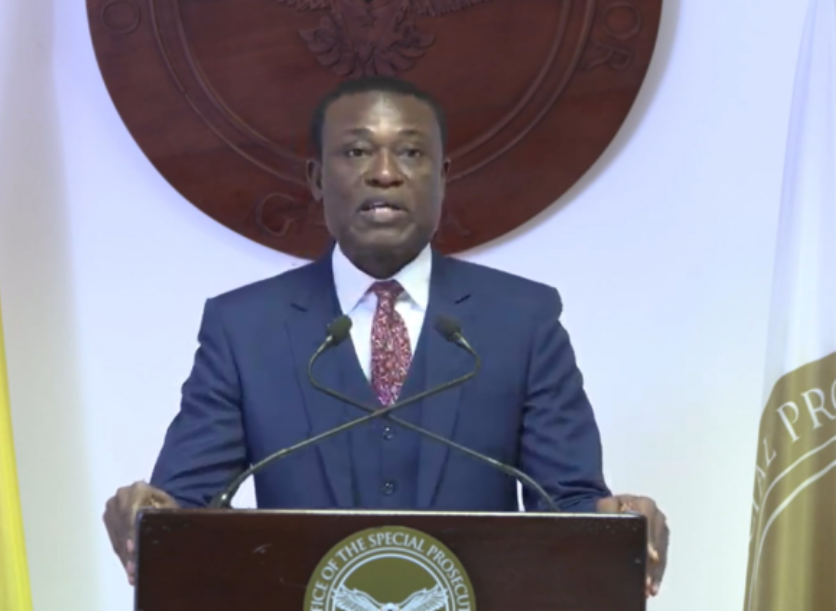
On April 15, 2026, a High Court ruling invalidated key aspects of the Office of the Special Prosecutor (OSP) Act, crippling the institution's investigative and prosecutorial activities across Ghana. Special Prosecutor Kissi Agyebeng disclosed that the decision limited OSP powers and created significant uncertainty for ongoing cases.
The court invalidated OSP prosecutions, convictions, and asset recoveries, then directed all OSP cases to be transferred to the Attorney General. With most courts adjourning OSP-related cases pending Supreme Court resolution, prosecutions ground to a halt, while corrupt actors gained confidence. The disruption cost the country substantially, and Agyebeng urged stakeholders to consider the ramifications.
He also revealed that the OSP had sought to join a Supreme Court case challenging the Attorney General's willingness to defend it, which was dismissed. The OSP appealed to the court, arguing that it should be a party to the proceedings. The Supreme Court ruled in July 2026 that the Attorney General was the proper defendant and that the OSP was not a necessary party.
Despite these setbacks, Agyebeng pointed to recoveries made for the state, including a GH¢100 million recovery from the government payroll, to demonstrate the OSP's impact.
Written by urgent.news from Adom Online's reporting — not their text. Machine-written — may contain errors; check the original before relying on it.
This story
This is one outlet's version. Read the fullest account.