A Hidden Feature in Smart Glasses Has HR Panicking—But There’s a Surprising Reason Some Can’t Ban Them
As smart glasses gain mainstream popularity, stealthy workplace recording capabilities are exposing companies to severe legal, privacy, and data security risks.
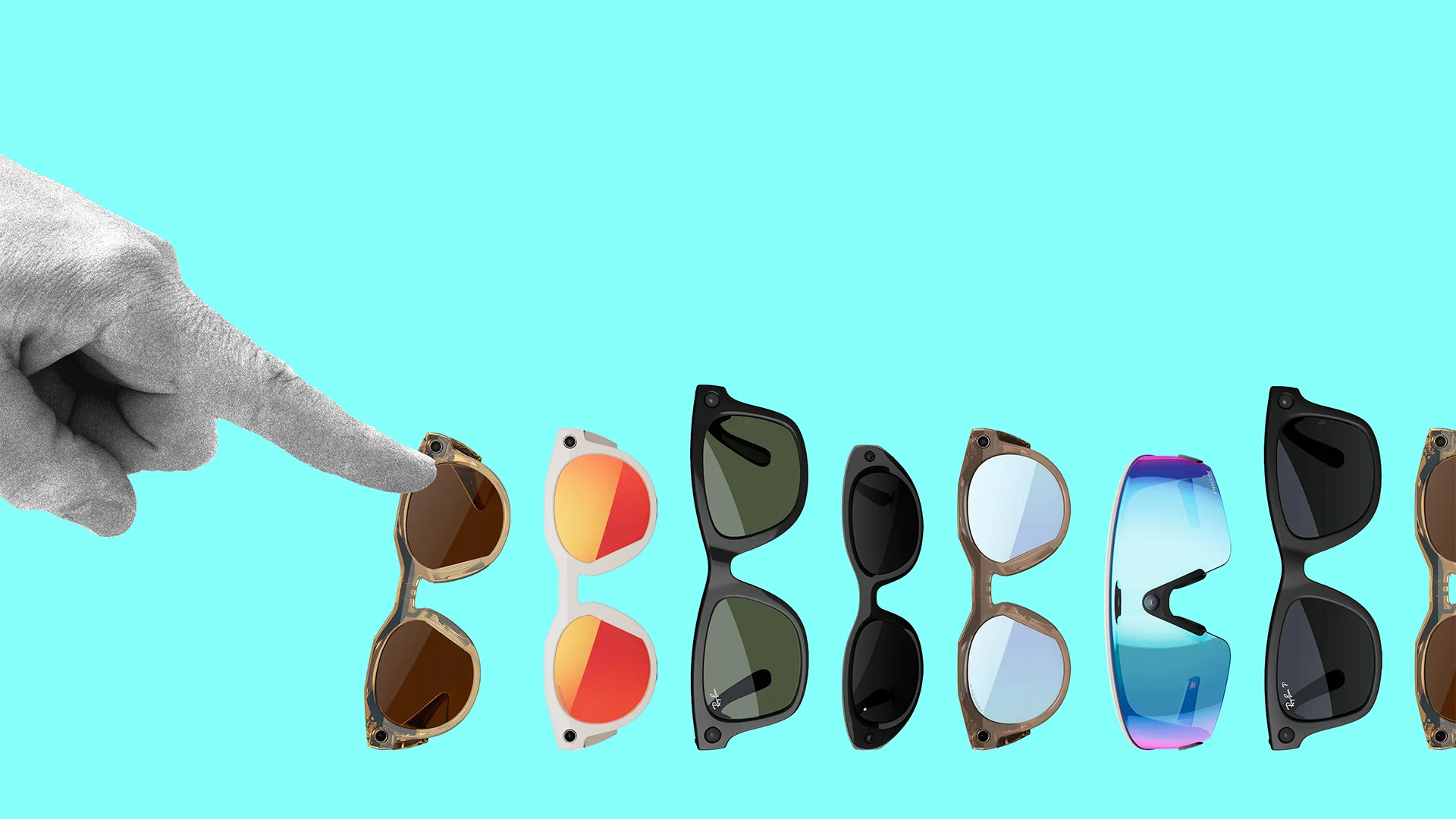
Smart glasses, once a nascent technology with limited market penetration, have surged in popularity in recent years. Companies like Meta have capitalized on this growth, offering features such as live translation, built-in speakers, and hands-free controls. However, the most controversial feature of these glasses is their ability to record whatever the wearer is looking at, often without the subject's knowledge.
This has sparked significant ethical concerns, particularly in settings involving vulnerable individuals or sensitive information.
The use of smart glasses in such environments has raised serious privacy issues. For instance, a kindergarten teacher using these glasses to record his classroom may seem harmless to some, but it could be seen as an invasion of privacy. Similarly, in healthcare settings like doctor's offices or nursing homes, the lack of privacy could make patients feel less secure. Most workplaces currently lack regulations governing the use of smart glasses, leaving them in a legal gray area.
The lack of comprehensive rules governing their use presents a compliance challenge for employers. Lawyers from Hall & Wilcox warn that the covert recording capability, ease of dissemination, and high data quality of these devices create a compliance challenge that existing frameworks were not designed to address.
The privacy concerns are further compounded by the potential for misuse of the recorded data. Many employees handle sensitive information such as names, addresses, and credit card numbers. If these records are misused or stolen by malicious third parties, it could lead to significant data breaches.
Despite these concerns, some workplaces are reluctant to ban smart glasses entirely due to their potential as an ability aid. People with impaired vision have reported that these glasses can be incredibly helpful by reading out written text or describing the object in front of them. The question of whether these glasses qualify as legally protected disability aids is currently being litigated.
In a case involving an employee at Walt Disney World, the outcome could determine if Meta glasses and similar wearables are considered accessibility devices. This could have far-reaching implications for workplaces across the country, as it would make a total prohibition on these glasses nearly impossible under the Americans with Disabilities Act.
As privacy expert Noga Rosenthal notes, "Smart glasses are not inherently good or bad. Like many workplace technologies, they can be used responsibly or misused." The potential risks and benefits of smart glasses remain a complex issue that employers must navigate carefully.
Written by urgent.news from Inc.'s reporting — not their text. Machine-written — may contain errors; check the original before relying on it.