A glacier collapse is most likely cause of the Nepal disaster
Melting snow appears to have weakened a steep glacier at an altitude of 5 kilometres, causing it to plummet around a kilometre into the river valley below
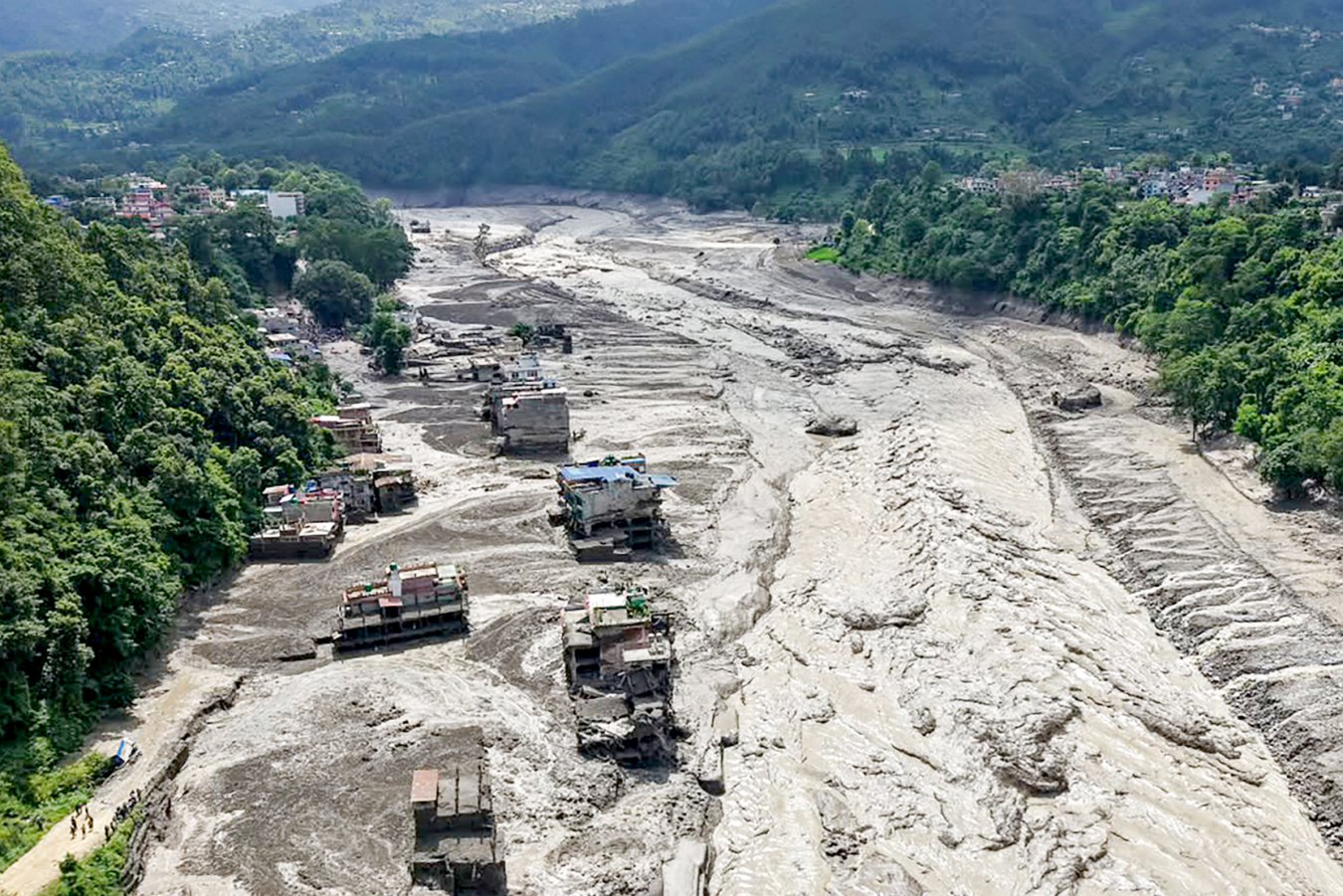
A glacier collapse is likely the cause of the devastating flash flood that struck Nepal on August 26, 2026, according to initial analyses of satellite images and seismic data. Dan Shugar, a geographer at the University of Calgary, explains that the glacier in question drops vertically over a kilometer from an altitude of 5,200 meters.
He speculates that global warming may be a contributing factor to such catastrophic events. The rapid melting of snow and ice, combined with the formation of deep crevasses, likely weakened the glacier and led to its collapse. The enormous potential energy released as the ice fell may have generated enough heat to further melt the remaining ice, producing a substantial amount of liquid water that triggered the flash flood.
Shugar acknowledges that while the glacier breakage could be only one aspect of the disaster, it appears to be the primary cause based on current evidence. The sheer scale of this event is alarming, ranking among the worst mountain disasters in terms of casualties and economic impact.
Written by urgent.news from New Scientist's reporting — not their text. Machine-written — may contain errors; check the original before relying on it.
Also reported by 10 other outlets
- Nepal floods highlight growing glacier risks in warming Himalayas apnews.com
- Nepal floods highlight growing glacier risks in warming Himalayas koreatimes.co.kr
- Glacier collapse triggered deadly Nepal flash floods dailytimes.com.pk
- Nepal floods highlight growing glacier risks in warming Himalayas news.mongabay.com
- Nepal floods highlight growing glacier risks in warming Himalayas phys.org
- Nepal flash flood wipes out villages after glacier collapse earthsky.org
- Glacier collapse and ice avalanche likely fueled deadly Nepal flash flood japantimes.co.jp
- What IMD said about Nepal flash floods: Glacier lake outburst, alert for Gandak river hindustantimes.com
- and 2 more