World's first mobile phone call: Cooper dials rival on New York City street
Dr Martin Cooper made the first mobile phone call on April 3, 1973. He called his rival Joel Engel from a New York City street. Motorola and Bell Laboratories pursued different mobile communication approaches then. Cooper's call demonstrated a truly portable mobile phone concept. This event marked an early step in mobile communication evolution.
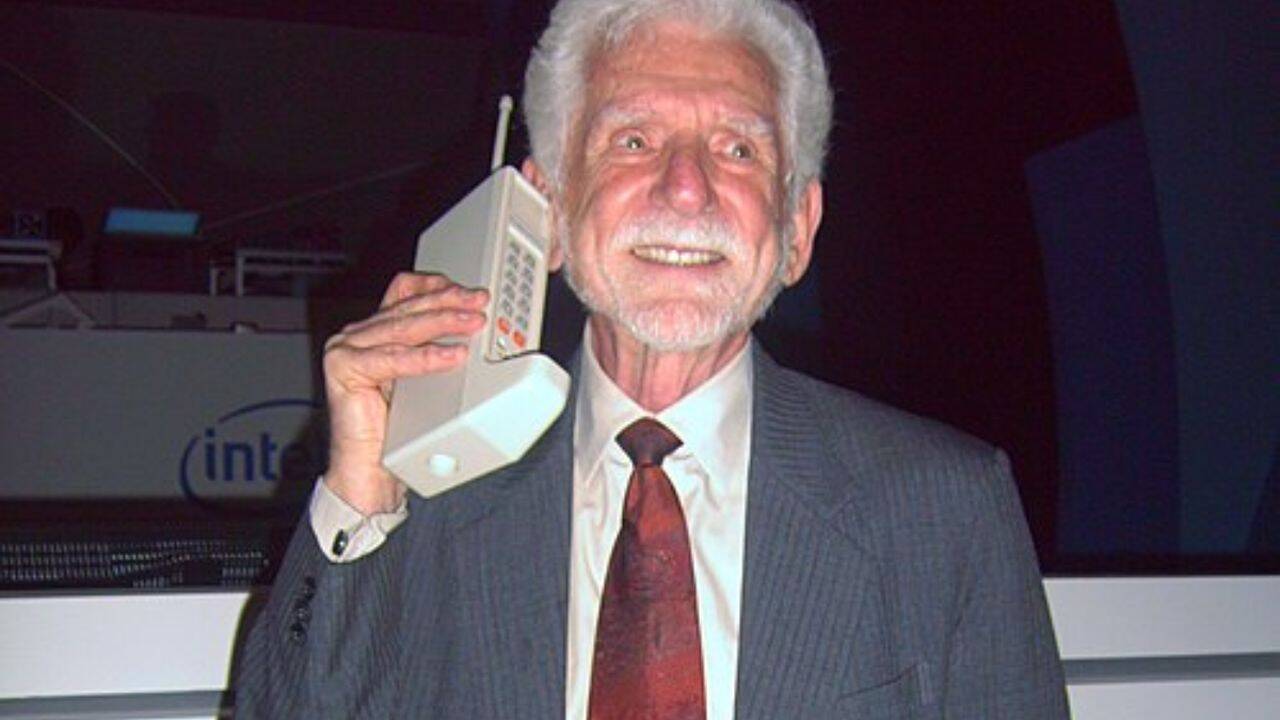
On April 3, 1973, Motorola engineer Dr Martin Cooper made what is considered the first mobile phone call. This historic moment occurred on a street in New York City, where Cooper reached out to Joel Engel, an engineer at Bell Laboratories and his counterpart in the race to develop mobile communications. Cooper informed Engel that he was calling from a "personal, handheld portable cell phone." However, there was no response as Engel presumed his rival had been left speechless.
The call came at a time when Motorola and Bell Laboratories were exploring different paths in mobile communications. While Bell Labs was focused on car-based phones, Cooper and Motorola were working on a device portable enough to be carried by an individual. By making the call in a public street rather than from a vehicle, Cooper showcased the concept of a truly mobile phone.
This historic call was made using an early prototype that would eventually evolve into the Motorola DynaTAC 8000X. The first consumer mobile phone did not appear until 1984, over a decade after Cooper's groundbreaking call. The DynaTAC 8000X was far different from today's smartphones. It could provide about 30 minutes of talk time, required approximately 10 hours to recharge, and weighed around 1.7 pounds. Its price was also steep, around $11,700 in today's currency.
Cooper's demonstration at the time was not a consumer product launch but rather a proof of concept that a mobile phone could function independently of a vehicle and be held by an individual. The 1973 event showcased the potential of mobile communications beyond the confines of a car and highlighted the need for personal communication devices.
Martin Cooper later revealed that the call had a broader objective beyond the rivalry between Motorola and Bell Laboratories. In a 2013 interview marking the 40th anniversary of the call, he stated that his goal was to prevent AT&T, which owned Bell Laboratories at the time, from establishing a monopoly in cell phones and car telephones.
He believed that the world was ready for personal communications and did not want AT&T to dominate the emerging market, stating, "We thought the world was ready for the freedom you get in having personal communications. And we sure didn't want to get put out of business."
The rivalry between Motorola and Bell Laboratories was intertwined with the future direction of mobile communications and the control of the market. Cooper acknowledged that AT&T had pioneered cellular technology in 1947, but Motorola aimed to ensure that mobile phones would be accessible to everyone, not just the company that owned Bell Laboratories.
Cooper later admitted that the call had a competitive aspect as well. In 2023, he told NPR that he was "not averse to rubbing [Engel's] nose in our achievement." Although the phone Cooper used was bulky by today's standards and had limited battery life, the call demonstrated that a person could make wireless calls without being tethered to a vehicle.
More than five decades later, mobile phones have transformed into multifunctional devices used for messaging, photography, navigation, internet access, and other purposes. Dr Martin Cooper's 1973 call to Joel Engel marked an early milestone in this remarkable evolution.
Written by urgent.news from Times of India's reporting — not their text. Machine-written — may contain errors; check the original before relying on it.