What is a launch window?
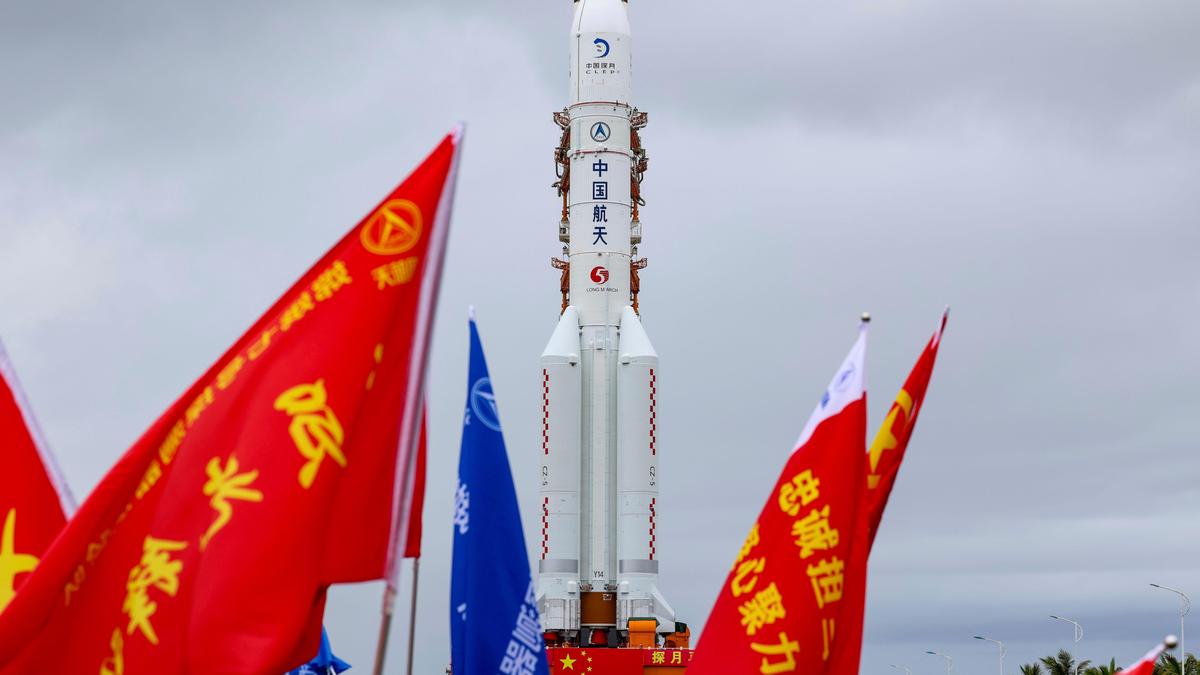
Launch windows are critical periods for space missions, during which the alignments of a satellite, Earth, and the target body are perfectly synchronized. On August 24, China postponed the launch of its Chang'e 7 mission to the moon's south pole due to concerns of "prudence, reliability, and absolute mission success." The next opportunity won't arrive until next year.
All space missions have designated launch windows when the positions and motions of the satellite, Earth, and the target are in perfect harmony. The moon orbits Earth every 27.3 days, creating a monthly window for lunar missions. However, targeting the moon's south pole region alters this schedule. A spacecraft approaching the moon's rotational pole must orbit in a specific north-south plane.
This is further complicated by the moon's orbital plane being tilted 5.1° relative to Earth's. Additionally, the moon's equator is tilted 1.5° compared to Earth's. To achieve the optimal trajectory, the spacecraft must expend the least amount of fuel possible. As the Chang'e 7 mission relies on solar power, it must land on the moon when it is sufficiently sunlit.
This constraint means missing a launch window could mean waiting days, weeks, or even months for the next opportunity.
Written by urgent.news from The Hindu - Sci-Tech's reporting — not their text. Machine-written — may contain errors; check the original before relying on it.