What are tariffs and how do they work?
WASHINGTON (AP) — Tariffs are in the news at the moment. Here’s what they are and what you need to know about them: Tariffs are a tax on imports Tariffs are typically charged as a percentage of the…
Tariffs are a tax imposed on goods imported into a country. They function as a percentage of the price a buyer pays for a foreign-sold product. In the United States, tariffs are collected by Customs and Border Protection agents at over three hundred ports of entry nationwide. Tariff rates fluctuate, with certain items, like passenger cars, being taxed at a lower rate of 2.5%, while others, such as golf shoes, face a higher rate of 6%.
Trade agreements can reduce tariff rates among participating nations. For instance, most goods can move freely between the United States, Mexico, and Canada due to the US-Mexico-Canada trade agreement, negating tariffs on the majority of products traded among these countries. However, mainstream economists often express skepticism regarding tariffs, deeming them an inefficient method for governments to generate revenue and stimulate economic growth.
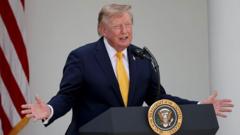
A common misconception exists regarding who ultimately pays tariffs. Former President Donald Trump famously claimed that tariffs are paid by foreign countries, but in reality, it is American importers—typically American companies—who bear the burden of tariffs. The revenue collected from these tariffs goes directly to the U.S. Treasury, which American companies then usually pass onto consumers through higher prices for the products they sell.
Consequently, economists argue that consumers ultimately end up shouldering the financial impact of tariffs.
Nevertheless, tariffs can adversely affect foreign nations by rendering their products more expensive and less competitive on the international market. Foreign companies may be compelled to lower their prices to compensate for the tariffs and retain their market share in the United States. According to a study by Yang Zhou, an economist at Shanghai’s Fudan University, Trump’s tariffs on Chinese goods inflicted more than three times the economic damage to China as they did to the U.S. economy.
Former President Trump frequently touted the benefits of tariffs, claiming they would generate more factory jobs, reduce the federal deficit, lower food prices, and subsidize childcare. During his presidential campaign, Trump boasted that "tariffs are the greatest thing ever invented.” As president, he implemented tariffs with a display of grandeur, targeting imported solar panels, steel, aluminum, and a wide array of other goods from China.
Written by urgent.news from Associated Press's reporting — not their text. Machine-written — may contain errors; check the original before relying on it.