Unsocial kids may be happier than you think
Being alone doesn't always mean being lonely for children, according to a new study.
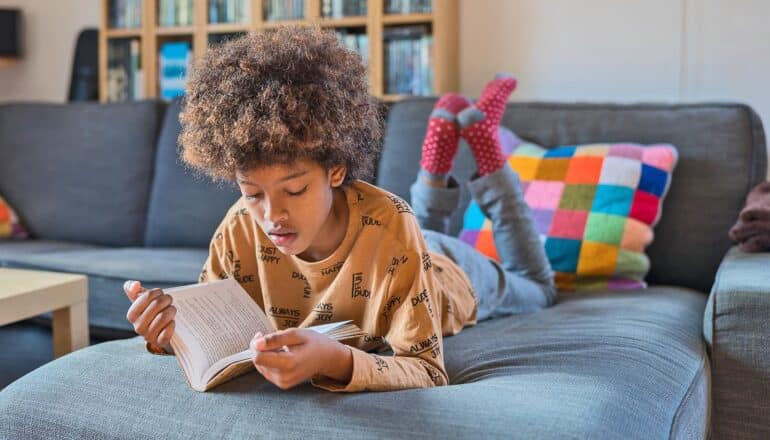
New research suggests that some children who appear unsociable during recess may actually be content with playing alone, as long as they feel they belong to a larger social group. This study, conducted by researchers from the University of Georgia, found that children who value belonging but prefer solitary play were generally happy both with individual friendships and group interactions.
The researchers analyzed responses from 473 fourth and fifth graders at multiple Georgia elementary schools. These children were asked to identify classmates who preferred solitary play, even while maintaining good relationships with others. They were also asked to rate how important they believed fitting in was to their happiness.
The study revealed that children who felt fitting in was unimportant were more likely to be dissatisfied with their social standing, often sitting alone during lunch or being overlooked for group activities. These withdrawn children sometimes turned down invitations to play, leading to increased isolation and feelings of loneliness.
In contrast, children who valued belonging but enjoyed playing alone were content with their relationships with peers. These children accepted social invitations when they chose to, while knowing they could decline when they preferred not to participate. This balance allowed them to maintain a sense of inclusion without feeling pressured to engage in activities they didn't enjoy.
The researchers, Michele Lease and Rachael Pfanz, suggest that this finding highlights the importance of allowing children to choose their level of social engagement. Teachers and parents should avoid forcing solo children into social situations they don't want to participate in, instead encouraging them to join small, like-minded groups when appropriate.
The study emphasizes that social interaction is a personal choice, similar to exercising or eating vegetables. Just as one may not want to exercise but does it for health benefits, these children might decline social invitations but still maintain strong connections with their peers through selective participation.
Written by urgent.news from Futurity's reporting — not their text. Machine-written — may contain errors; check the original before relying on it.