UN and Red Cross call for urgent rules on autonomous weapons
States will meet in Geneva next week to discuss potential new rules amid growing concerns over AI-assisted semi-autonomous weapons used in conflicts including Ukraine, Sudan, Gaza and Iran.
GENEVA: The heads of the United Nations and the International Committee of the Red Cross have warned that fully autonomous weapons, which can kill without human involvement, could soon be deployed in conflicts and called for immediate negotiations to restrict their use. In a joint statement, United Nations Secretary-General Antonio Guterres and Mirjana Spoljaric of the Red Cross emphasized that humanity is dangerously close to crossing a moral red line by allowing machines to autonomously target humans.
They urged states to begin urgent negotiations to create a legally binding instrument that would regulate autonomous weapon systems with clear prohibitions and restrictions. The talks are set to commence at a major conference in Geneva next week, as concerns grow over the role of AI-assisted semi-autonomous weapons that have been utilized in conflicts in Ukraine, Sudan, Gaza, Iran, and the Gulf.
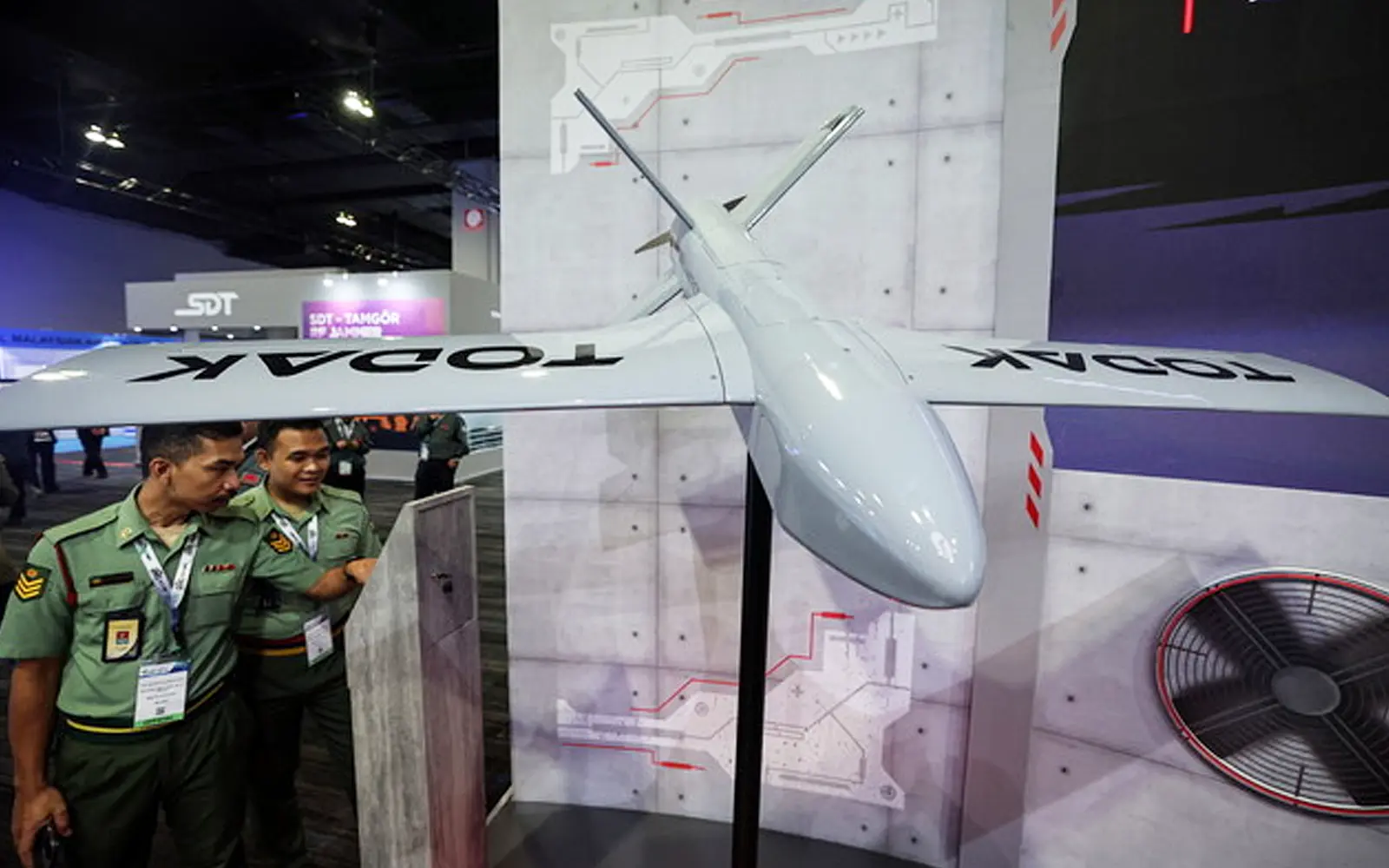
While discussions have made some progress since 2014, advancements in technology have outpaced these talks. Fully autonomous weapons are already in use by certain armies, such as anti-missile systems on warships, but have not been confirmed to be used against human targets thus far. Human rights groups are particularly concerned that AI-driven systems are difficult to predict and control, which increases the risk of catastrophic errors, such as failing to identify an injured or surrendered soldier.
In the event of such errors, it becomes significantly more challenging to hold perpetrators accountable in any subsequent war crimes cases, the joint statement asserts. The statement calls on states to demonstrate political courage and shift towards decisive action, rather than merely making incremental progress, during the upcoming talks in November.
Written by urgent.news from Free Malaysia Today's reporting — not their text. Machine-written — may contain errors; check the original before relying on it.