Tunisia's Migrant Boat Tragedy Exposes a Crisis Much Bigger Than the Mediterranean
A migrant boat sinks, bodies are recovered from the sea and within hours, a grieving community takes to the streets. That is what happened in Ben Guerdane in southern Tunisia after a boat carrying people towards Italy sank off the coast. At least 19 bodies had been recovered by Monday, although authorities were still working to establish exactly how many victims were aboard the vessel. Only one…
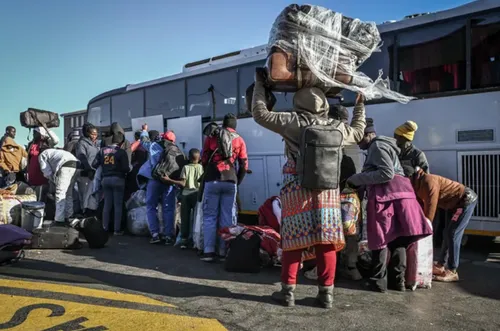
The recent tragedy involving a migrant boat off Tunisia's coast has sparked protests and raised questions about the root causes of the issue. While demonstrators are understandably angry about the failed rescue operation, the underlying problem is far deeper than initially apparent. The migrants, many of whom hailed from the Ben Guerdane area near Tunisia's border with Libya, left because they saw no viable alternatives in their homeland.
Ben Guerdane has long struggled with economic marginalisation, and this tragedy underscores the broader issues that make the Mediterranean a graveyard for those seeking a better life. Migration is often framed as a border-control problem, but the situation in Tunisia reveals that it is much more about economic and social conditions.
European efforts to reduce irregular migration have focused on tightening controls and surveillance, but these measures do not address the fundamental issues that drive people to risk their lives at sea. Tunisia has become a key partner in Europe's efforts to curb migration, but simply reducing the number of boats does not solve the problem.
The EU-Tunisia migration arrangement has faced criticism from human rights organisations for allegedly contributing to abuses against migrants. The tragedy in Tunisia is emblematic of a larger pattern across Africa, where young people continue to migrate in search of better opportunities. While some move within Africa, others attempt the perilous journey across the Mediterranean.
This trend highlights a critical issue: Africa's demographic advantage as the world's youngest population can be a tremendous asset if properly harnessed. However, if economic growth fails to generate opportunities, the same youthful population may become increasingly frustrated and willing to leave. The unrest in Tunisia is part of a larger picture of public dissatisfaction, with protests also focusing on unemployment, deteriorating public services, and high living costs.
The Ben Guerdane protests are therefore symptomatic of a broader sense of injustice and a feeling that the state is not doing enough to provide a future worth staying for. Tunisia's situation is not unique; it reflects a challenge faced by many African countries. There is a need for greater investment in disadvantaged regions, stronger employment opportunities, and improved public services.
Europe must also recognize that partnerships with African countries should not be limited to preventing people from reaching its shores. Instead, there should be investment in legal migration pathways, development, and job creation alongside border management. Until the underlying economic, social, and political issues are addressed, the Mediterranean will continue to be a dangerous final destination for those who believe the risks of leaving are smaller than those of staying.
The deaths in Tunisia are tragic, but the most pressing question is not merely how many lives were lost but why so many felt compelled to embark on such a risky journey. Addressing this question is crucial to preventing further loss of life and fostering a more stable and prosperous future for all.
Written by urgent.news from IOL's reporting — not their text. Machine-written — may contain errors; check the original before relying on it.