The Transcendence of Dolly Parton
The late singer was perhaps the only person in the United States who commanded nearly universal affection.
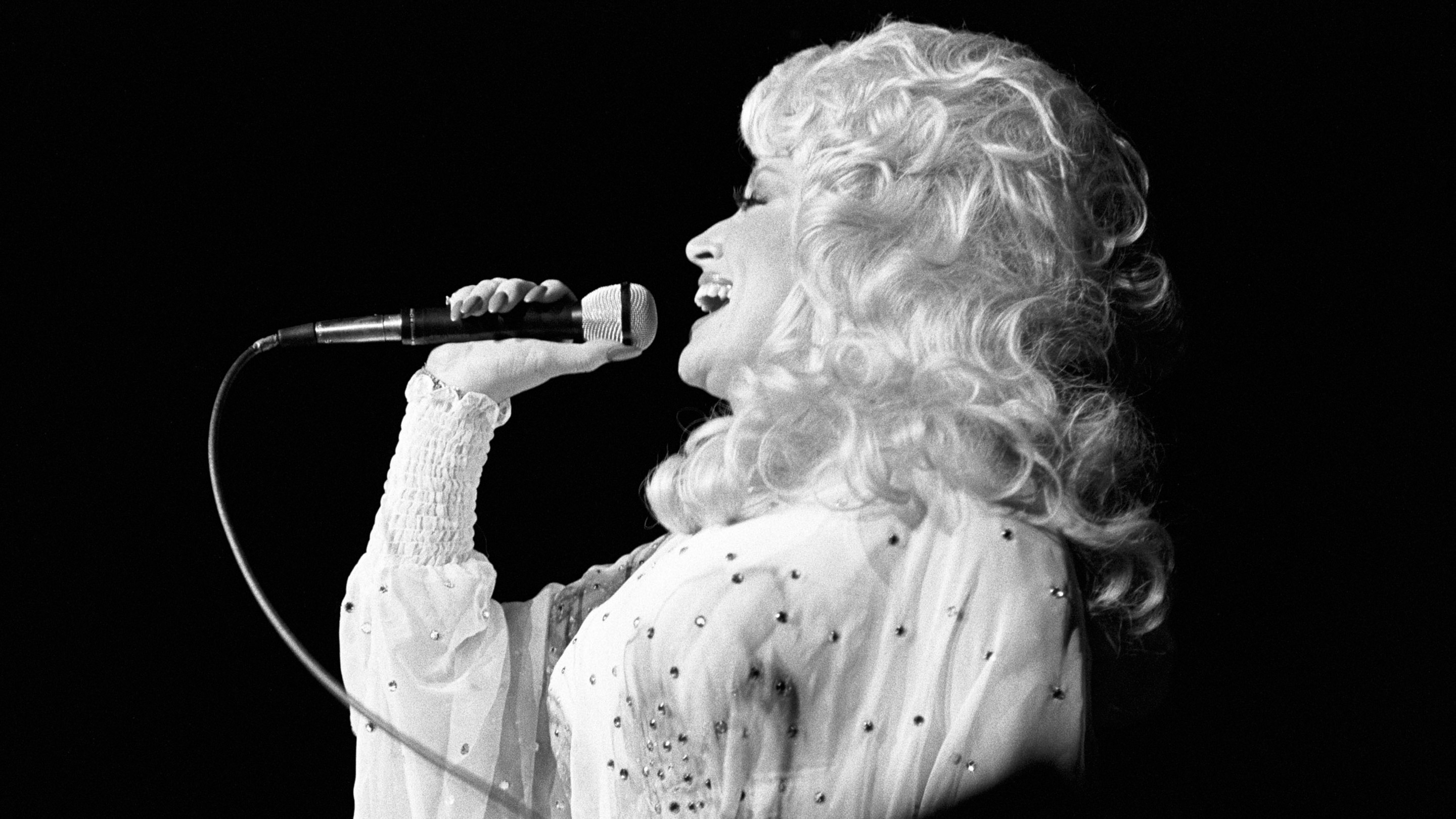
Dolly Parton's transcendent impact spanned across class, gender, region, musical genre, and partisan lines. In an era where politicians mirrored pop stars and politics polarized deeply, Parton stood out as a figure that commanded nearly universal affection. Her death at 80 leaves a void unfilled by any contemporary cultural figure.
Born in a one-room cabin in the Appalachian Mountains of East Tennessee, Parton's rags-to-riches story is a testament to her resilience. Her song "Coat of Many Colors" encapsulated her impoverished childhood, where her mother's resourcefulness in sewing jackets from rags was met with mockery from classmates. However, Parton transformed this narrative into a triumphant anthem, stating, "But they didn't understand it and I tried to make them see / That one is only poor only if they choose to be."
Parton's career ascension began when she joined country singer Porter Wagoner's act as a "girl singer." Her songwriting prowess was evident, with hits like "Jolene" and "My Tennessee Mountain Home." Interestingly, her most famous song, "I Will Always Love You," was originally intended for Elvis Presley but was ultimately recorded by Whitney Houston, propelling it to No. 1 on the pop charts.
Despite the genre's limited respect during Parton's early career, she played a pivotal role in bridging the gap between country music and mainstream appeal. Her success opened doors for later crossover stars like Shania Twain and Taylor Swift. Parton's experimentation extended beyond country music, collaborating with artists across various genres.
One of Parton's defining traits was her ability to balance vulnerability with humor and humility. Her songwriting, marked by raw honesty, allowed her to connect with audiences on a deeply personal level. Beyond her musical contributions, Parton maintained her connection to rural southern music, preserving her distinctive accent and hairstyle.
Her faith and down-home values were integral to her identity, allowing her to take stands that might have been controversial. She avoided political involvement and declined Presidential Medals of Freedom, choosing instead to focus on her artistic endeavors.
Parton's feminism was a unique blend of working-class grievance and mass-market entertainment, as evident in her 1980 comedy "9 to 5." Collaborating with liberal actresses Jane Fonda and Lily Tomlin, Parton used her platform to address workplace inequality through both comedy and enduring music. Beyond her artistic achievements, Parton used her fortune to foster change.
She opened Dollywood, a theme park in Pigeon Forge, Tennessee, which became the largest employer in the area. Her Imagination Library, launched in 1995, mailed a book monthly to children from birth to age 5, promoting literacy and a love for reading. In 2020, she donated $1 million to support COVID-19 vaccine development and received the vaccine herself, demonstrating her commitment to public health.
Despite facing ridicule for her physical appearance and undergoing multiple plastic surgeries, Parton refused to be silenced. In a 2002 interview, she famously quipped, "This dumb blonde ain't nobody's fool," advocating for her intelligence and talent. Her ability to embrace and subvert societal conventions endeared her to the LGBTQ+ community and garnered admiration across cultural lines.
Parton's legacy is one of resilience, authenticity, and profound influence, leaving an indelible mark on American culture that transcends musical boundaries.
Written by urgent.news from The Atlantic's reporting — not their text. Machine-written — may contain errors; check the original before relying on it.