The other COP
Two-fifths of the world’s land is degrading. The COP charged with halting it sits in Mongolia this month, starved of money and of attention. Think COP, think climate change, climate catastrophe, and the largely talking shop that is the annual United Nations summit where nearly 200 countries gather (often in some of the most fossil […] The other COP was originally published on Emerging Europe .
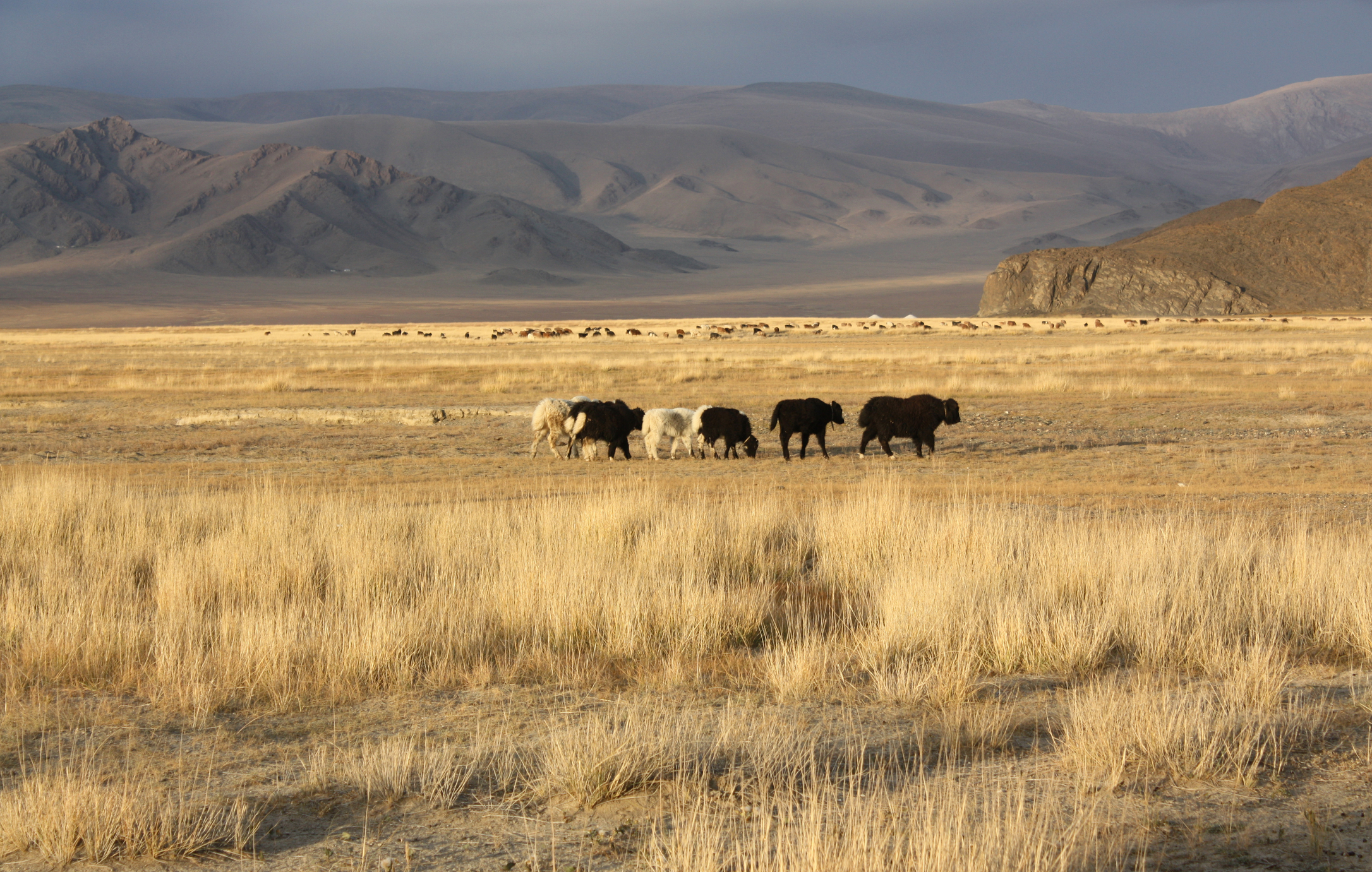
The United Nations Convention to Combat Desertification (UNCCD) is currently taking place in Ulaanbaatar, Mongolia. Known as COP17, the summit is focused on restoring degraded land and aims to halt desertification, a particular concern for the country. Mongolia is one of the ten nations most impacted by climate change and over 76.9% of its land is degraded, affecting its nomadic herding communities and livestock sector.
Desertification has been identified as a threat since the first UNCCD convention at the 1992 Rio Earth Summit, and it remains the only one of the three UN treaties addressing climate change, biodiversity, and desertification that is legally binding. Despite efforts to raise funds for land restoration, the UNCCD reports only receiving a fraction of the $355 billion annually required, while the world loses around 100 million hectares of land each year.
The conference aims to strengthen collaboration between governments, development banks, businesses, and investors. Previous COPs have seen partial success, such as the Great Green Wall initiative in Africa, which has attracted fresh funding. However, some argue that COP17 has failed to deliver, as countries have only pledged to restore a billion hectares of degraded land, while the actual number of degraded lands is estimated to be 1.5 to 2 billion hectares.
The US has been particularly resistant to certain agenda items, including gender-responsive approaches, migration, and cooperation among the three Rio Conventions.
Written by urgent.news from Emerging Europe's reporting — not their text. Machine-written — may contain errors; check the original before relying on it.