The Least-Vaccinated Kindergartners in Decades
American children are going back to school without the protection they need.
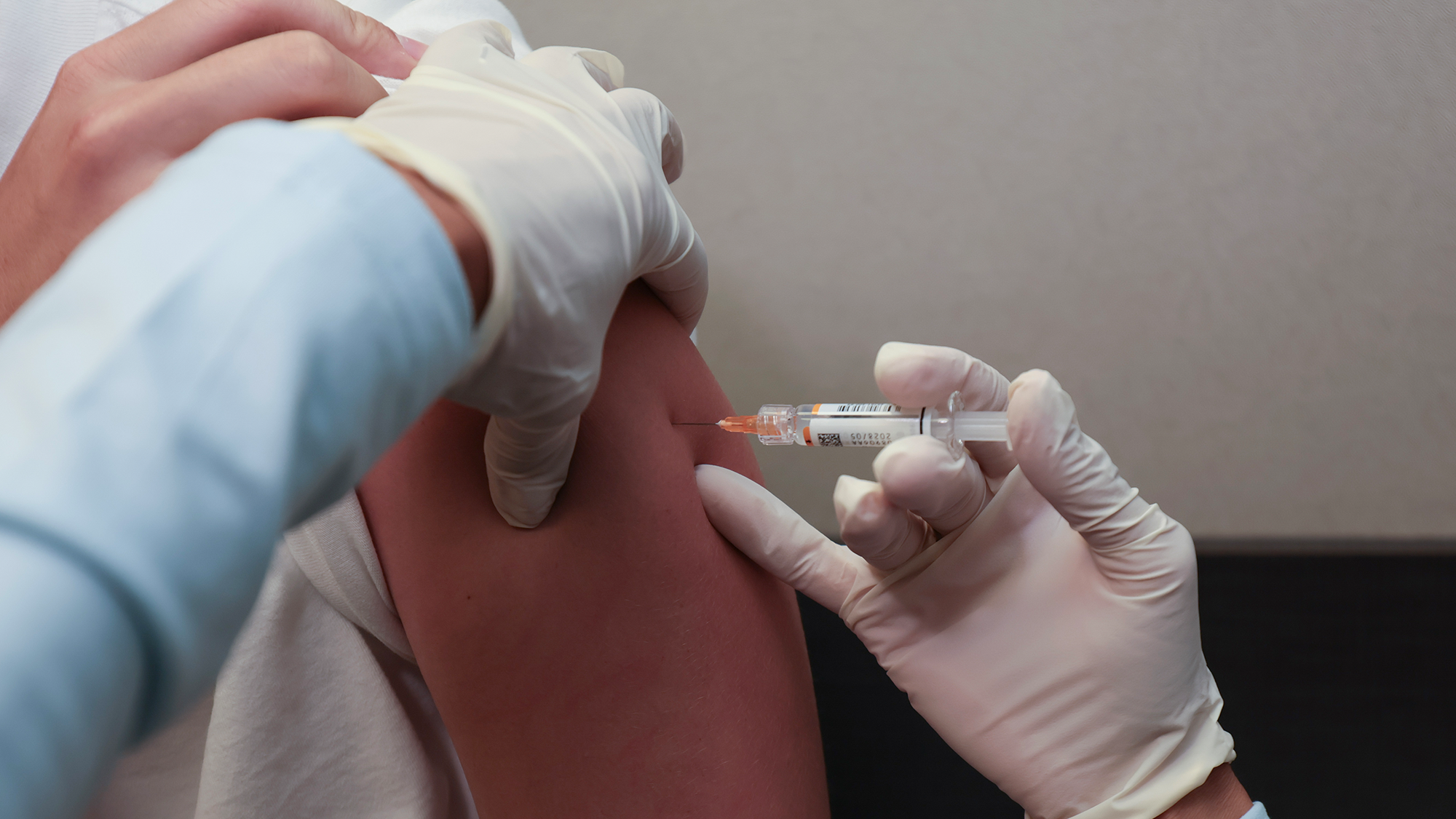
As children across the nation begin a new school year, they will face an increased vulnerability to infectious diseases, a situation not seen in decades. President Trump recently signed an executive order aimed at reducing the U.S. vaccination schedule, currently protecting against 17 diseases. He also proposed splitting the MMR vaccine into three separate doses, a suggestion lacking scientific backing and consideration of practicality.
The CDC recently reported a record-high exemption rate among kindergartners for vaccines, with 4.2 percent opting out, up from 3.6 percent the previous year. The increase is modest, but the trend shows widening gaps among states. In West Virginia, the majority of kindergartners still receive their routine shots, while in Idaho, the percentage of kindergartners up-to-date on vaccines for diseases like polio, chickenpox, and measles has dropped to roughly 75 percent, below the threshold needed to prevent outbreaks.
Thomas Patterson, president of the American Academy of Pediatrics’ Idaho chapter, has observed families expressing skepticism, refusing or delaying shots, and opting out of care after Patterson reveals his support for all recommended vaccines. Idaho also has the highest exemption rate in the nation—17.5 percent—due to its ban on employers, schools, and daycares requiring medical interventions, including vaccines.
Polls show most Americans still believe vaccines are effective and support school requirements, especially in Democratic strongholds. However, trust in vaccine safety has waned, particularly among Republicans. Pediatricians nationwide report families questioning vaccine safety, citing potential changes in vaccination schedules, and questioning the necessity of certain shots.
Despite evidence debunking myths like vaccines causing autism, some parents remain unconvinced. Doctors spend more time discussing vaccines, sometimes over extended periods, but some cases require years of work to change minds. In Idaho, where vaccination rates are low, pediatricians face challenges convincing families, especially those entrenched in conspiracy theories or convinced vaccines have harmed their loved ones.
Written by urgent.news from The Atlantic's reporting — not their text. Machine-written — may contain errors; check the original before relying on it.