TCL QM7L Review: The mid-range continues to deliver excellent value
TCL’s QM7L lowers the barrier to its flagship Super Quantum Dot color display and raises the bar for sheer brightness while subtly cutting a few corners.
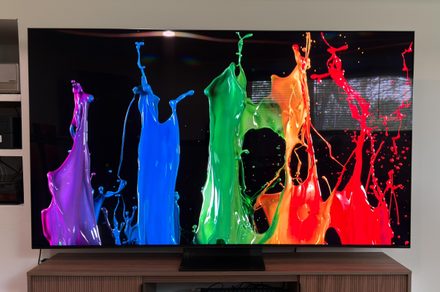
TCL's QM7L is the most affordable option among TCL's 2026 lineup, priced at $2,499 for the 85-inch model. This TV offers the company's Super Quantum Dot (SQD) panel technology, which utilizes the same quantum dots and color filters found in the QM8L and X11L models. The QM7L also incorporates the QM8L's 26-bit backlight controller and Gemini-powered Google TV.
The main differences between the QM7L and its counterparts lie in the components that were reduced to lower the price. A standard HVA 2.0 Pro panel replaces the QM8L's WHVA 2.0, and the dimming zones and brightness ceiling are reduced. Only two HDMI ports operate at full HDMI 2.1 bandwidth, while the remaining ports operate at 4K at 60Hz.
Despite these compromises, the QM7L delivers excellent value and rivals some flagship TVs. The built-in audio is average but acceptable for the price. The TV's design is similar to last year's QM7K, featuring a brushed gunmetal frame, thin bezels, a thin panel, and a plastic back. The remote is a lightweight plastic version of the QM7K's design, lacking the brightness rocker found on higher-end models.
The TV offers a wide color gamut and plenty of brightness, making it suitable for a variety of content. The glossy panel can pick up direct reflections, but the brightness helps mitigate this issue during dark scenes. The QM7L's Google TV experience is comparable to the QM8L, offering voice activation and natural language queries.
While the built-in sound system is adequate for everyday TV use, audiophiles may want to invest in a soundbar for better audio.
Written by urgent.news from Digital Trends's reporting — not their text. Machine-written — may contain errors; check the original before relying on it.