SYPALA 2026: African CSOs must diversify funding, reduce donor dependence – WACSI
The Head of Capacity Development at the West Africa Civil Society Institute (WACSI), Charles Kojo Vandyck, has urged civil society organisations (CSOs) in Africa to reduce their dependence on donor funding and develop more diverse and sustainable sources of income.
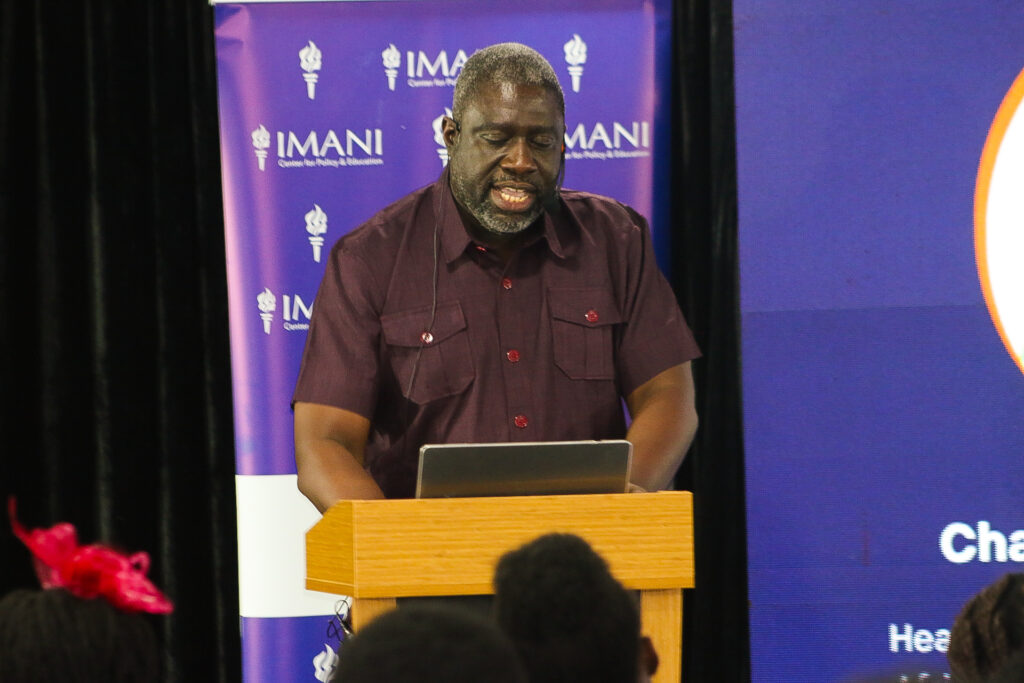
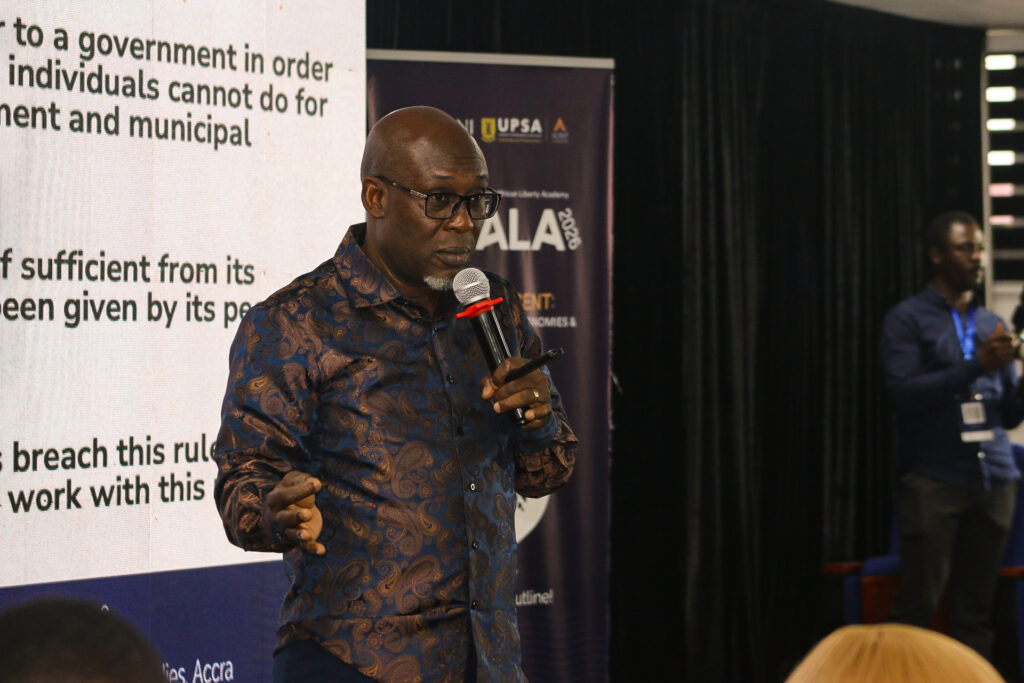
Charles Kojo Vandyck, Head of Capacity Development at the West Africa Civil Society Institute (WACSI), has urged African civil society organisations (CSOs) to lessen their reliance on donor funding and develop a more diversified range of income sources. Speaking at the Students and Young Professionals African Liberty Academy (SYPALA) 2026, organised by the IMANI Centre for Policy and Education in collaboration with the University of Professional Studies, Accra (UPSA), Vandyck emphasized that grants should merely constitute a portion of a comprehensive financing strategy, rather than the sole source of support.
Vandyck encouraged African CSOs to explore beyond traditional donor assistance, recommending avenues such as diaspora giving, social enterprises, digital fundraising, trading, investment income, government contracts, and strategic partnerships for expanding their financial base. He highlighted that diaspora communities are a crucial yet underutilised source of funding, as contributions from these communities can often surpass the financial support received from foreign partners and development assistance.
The WACSI official also advocated for the establishment of an African giving ecosystem, wherein businesses, institutions, individuals, and diaspora communities could contribute to social development in Africa. He stressed the need to create an infrastructure that would enable people to donate with confidence, involving African businesses, institutions, individuals, and diaspora communities.
Vandyck called on CSOs to enhance their economic awareness by identifying and effectively utilizing their existing assets and expertise. He clarified that becoming more entrepreneurial did not imply turning CSOs into businesses, but rather focusing on understanding the economic value of their assets, knowledge, networks, facilities, and intellectual property.
Organizations should also prioritize unrestricted or flexible funding, which can be used to strengthen institutions beyond project-specific activities. Restricted funding is intended for project activities, whereas unrestricted or flexible funding can contribute to building the organization itself.
Furthermore, Vandyck urged CSOs to cultivate stronger relationships with communities, businesses, policymakers, academia, journalists, movements, and philanthropists, stressing that shrinking resources should encourage collaboration rather than unhealthy competition. He emphasized the importance of collaboration as a new competitive advantage, highlighting that many goals could be achieved collectively that cannot be accomplished individually.
Written by urgent.news from MyJoyOnline Ghana's reporting — not their text. Machine-written — may contain errors; check the original before relying on it.
This story
This is one outlet's version. Read the fullest account.
- Future of Energy Conference: Africa cannot industrialise in the dark – ECOWAS Bank President adomonline.com
- Future of Energy Conference: Africa cannot industrialise in the dark – ECOWAS Bank President myjoyonline.com
- UK envoy: Africa must close funding gap to commercialise bioeconomy research capitalfm.africa
- Africa must define and build its own future - Veep Opoku-Agyemang tells African leaders 3news.com
- Mbeki says African leaders should be legitimately elected sabcnews.com