Südamerika: Die neue Zuversicht von Caracas: Was Venezuelas Umzüge über die Zukunft verraten
Investoren und Rückkehrer entdecken Venezuela neu. Doch die wirtschaftliche Öffnung kommt nur langsam voran – die meisten Menschen spüren davon noch nichts.
In Venezuela, Juan José Marí has built a reputable moving company, JJ Marí International Movers, over 26 years. The firm employs 40 people and appears to reflect Venezuelans' perception of the country's future. The company's business is largely comprised of returnees rather than out-migrations, according to Marí. After Hugo Chávez came to power, Venezuela underwent significant political and economic changes over the next 27 years, leading to a repressive regime and a severe economic crisis.
Many Venezuelans left the country due to political tensions, economic uncertainty, and high crime rates. Marí's company organized the moves of Jewish families to the USA, as the Jewish community shrank due to political and economic pressures. Recently, Marí is cautiously optimistic, as the number of families returning to Venezuela has surpassed those emigrating.
This trend began around a year and a half ago. The new confidence is evident in Caracas, though its sustainability remains unclear. Felipe Cappozollo, the president of Fedecámaras, the private business association, notes that the country's growth forecasts range from a potential loss of 1% to an increase of 8%, while the International Monetary Fund projects a 4% growth.
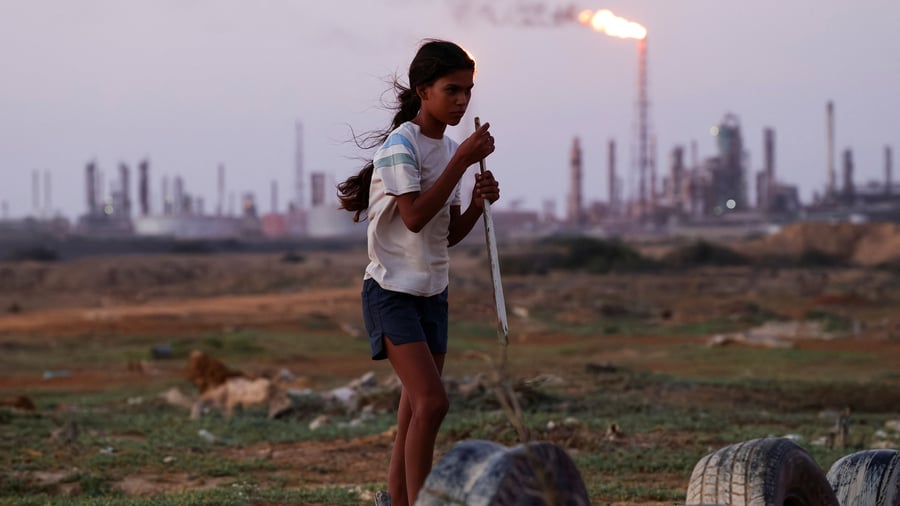
Fedecámaras has publicly criticized the government, but Cappozollo now praises the government's policy reforms, particularly the laws passed in a rush by the National Assembly. These reforms could attract private investors, especially in oil, gas, and mining. However, the oil sector's recovery relies mainly on optimizing existing facilities.
Despite the government's efforts to open the sector, an anonymous Venezuelan oil expert asserts that international oil companies are still hesitant due to the uncertain legal environment. Many have only submitted intention declarations, but no contracts have been signed. This delay is partly due to historical reasons, as the oil sector has been particularly affected by decades of government caprice.
Written by urgent.news from Handelsblatt's reporting — not their text. Machine-written — may contain errors; check the original before relying on it.