Sex determination cases: Who can investigate, and what has the Supreme Court said?
There were essentially three questions before the Supreme Court: Can the police register an FIR for an offence under the Act? Can they investigate it? And can a Magistrate take cognisance of the offence on the basis of a police chargesheet?
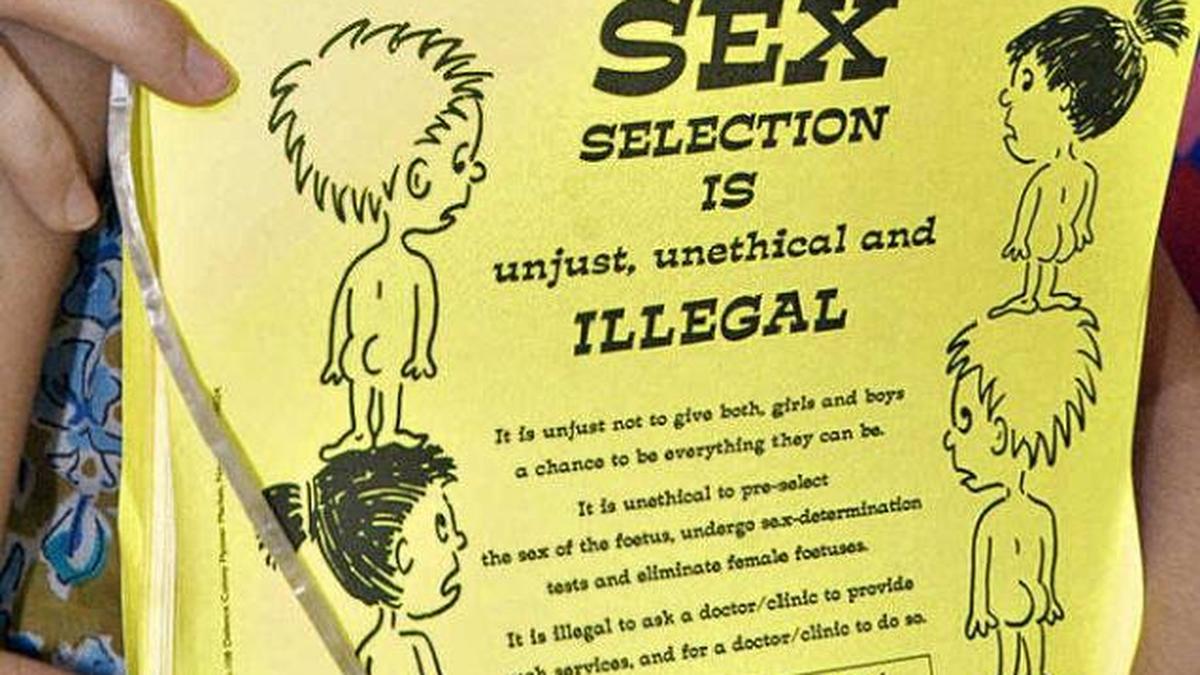
The Supreme Court ruled on August 20, 2026, that the police cannot independently investigate violations of the Pre-Conception and Pre-Natal Diagnostic Techniques (Prohibition of Sex Selection) Act, 1994. The Appropriate Authority, a specialized body under the law, is tasked with investigating such offences. The case stemmed from an allegation of illegal prenatal sex determination at a hospital in Bulandshahar, Uttar Pradesh.
The Appropriate Authority, comprised of a Joint Director of Health and Family Welfare, an eminent woman, and an officer of the State's Law Department, was authorized to conduct an investigation following a decoy operation. The court emphasized that the police's role is limited to assisting when necessary, without independently investigating the offence.
Written by urgent.news from The Hindu's reporting — not their text. Machine-written — may contain errors; check the original before relying on it.
This story
This is one outlet's version. Read the fullest account.
- Speaker Bagbin refers three Supreme Court nominees to Appointments Committee gbcghanaonline.com
- Environmentalists write to Supreme Court committee about ‘inadequate’ public consultation on Aravallis thehindu.com
- Supreme Court sides with Trump on mail-in voting, making way for more legal challenges cbsnews.com
- Narrow mail-in voting ruling by Supreme Court adds uncertainty to midterm elections without addressing constitutionality of Trump’s executive order theconversation.com
- US Supreme Court lifts block on Trump-era mail-in voting restrictions english.ajel.sa
- Bank error, bank loss: Supreme Court rules banks can't reclaim funds due to own negligence philstar.com
- Supreme Court directs Tarun Tejpal to surrender in two weeks hindustantimes.com
- Supreme Court refuses reopening CBSE Class 12 re-evaluation portal, says ‘if you don’t use the bus, you miss it’ indianexpress.com