Samsung, SK hynix's $108 Billion Shareholder Returns Emerge as Key Dollar-Supply Factor
Samsung Electronics and SK hynix's combined 150 trillion won, or approximately $108.63 billion, shareholder-return plans are emerging as a key variable in South Korea's foreign exchange market. As the likelihood grows that foreign-currency assets accumulated during the chip boom will be converted in
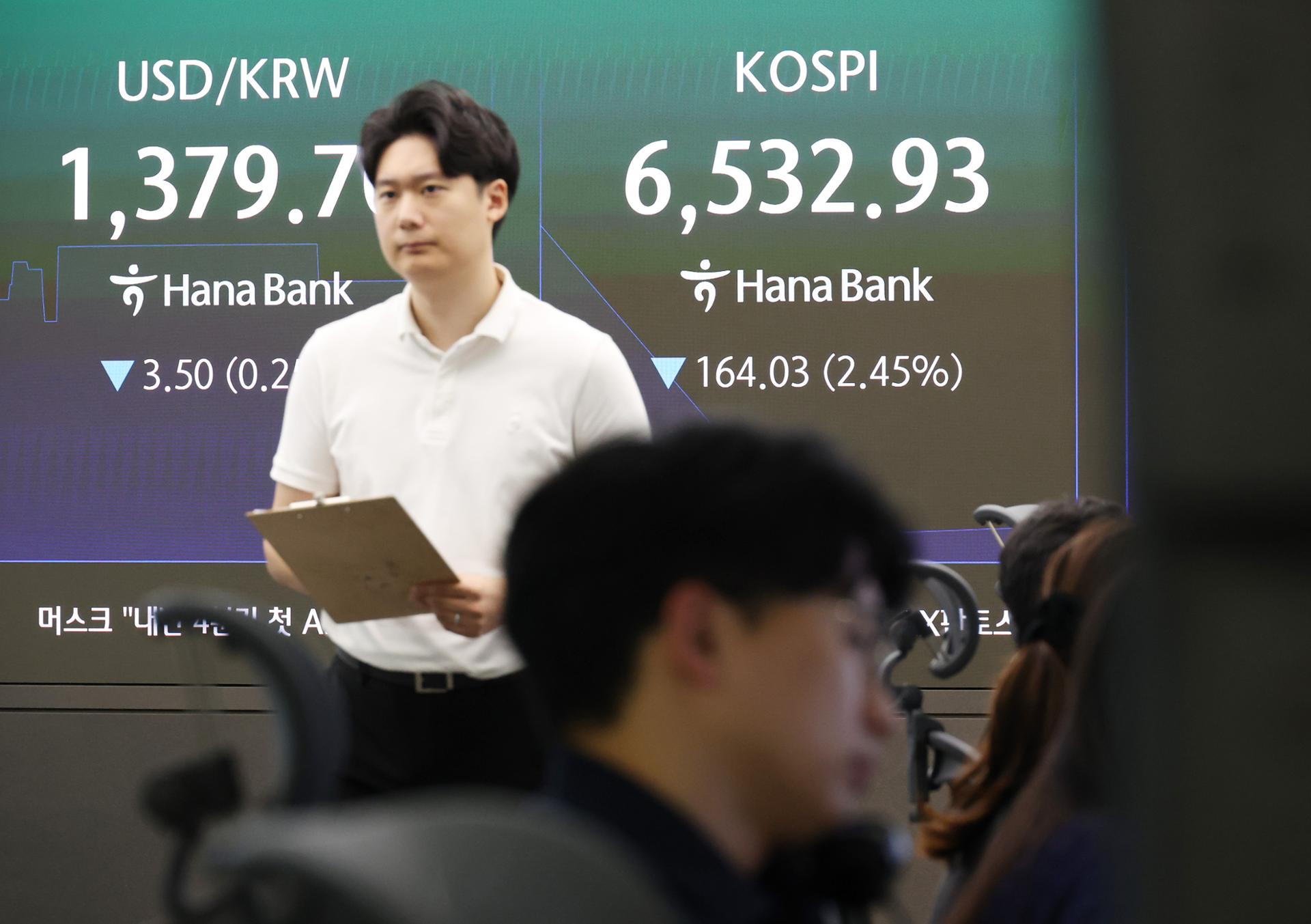
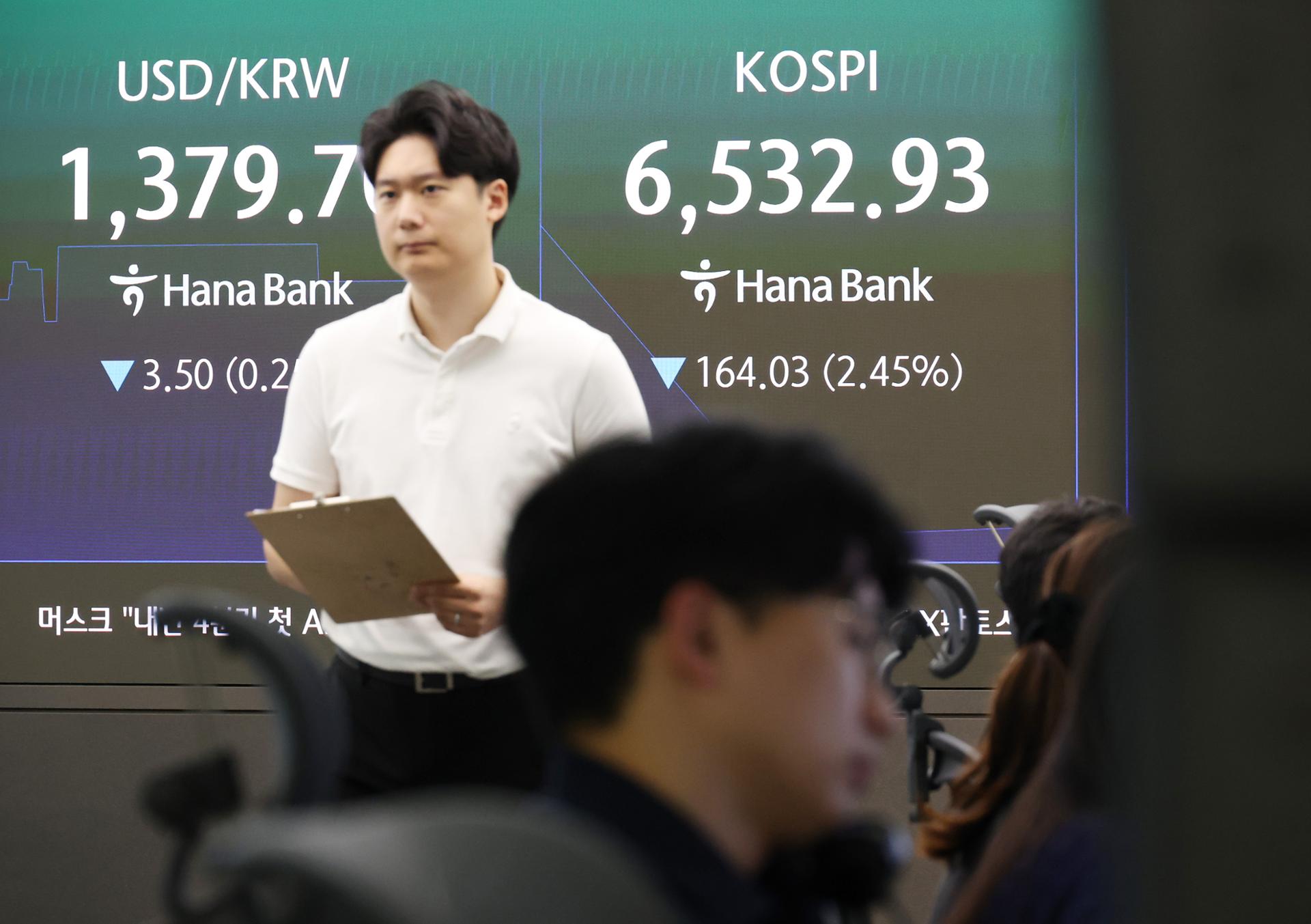
Samsung Electronics and SK hynix have announced combined shareholder-return plans totaling approximately $108.63 billion, which are expected to impact South Korea's foreign exchange market. As foreign-currency assets accumulated during the chip boom are converted into won to fund share buybacks and dividends, analysts predict that the resulting increase in dollar supply could further weaken the won-dollar exchange rate, currently at 1,382.4 won per dollar.
The currency has recently weakened to its weakest level in almost a year, at 1,376.5 won per dollar. Samsung has proposed a shareholder-return plan of up to 110 trillion won for 2026, while SK hynix has approved a 40 trillion won share repurchase and cancellation program. If around 50%-60% of the funding is raised through foreign-currency asset conversion, the increased dollar supply could significantly affect the foreign exchange market.
Analysts estimate that conversion of funds for shareholder returns could result in a net dollar supply of up to 45 trillion won, excluding foreign investors' dividend remittances. Samsung, with substantial won liquidity, may not need to sell dollars aggressively solely for shareholder returns, while SK hynix has been steadily converting ADR offering proceeds.
Foreign shareholders, holding 46.9% of Samsung and 51.1% of SK hynix, could convert dividend payments into dollars, potentially offsetting the effect of the companies' dollar sales. The won-dollar exchange rate may trend lower in the medium to long term, but could stabilize around 1,380 won due to technically oversold conditions and dividend-related dollar demand.
Written by urgent.news from BusinessKorea's reporting — not their text. Machine-written — may contain errors; check the original before relying on it.