India’s weight in global emerging-market ETFs rises again
India's weight in major global emerging-market ETFs has begun to recover recently. This rise follows a steady decline over the past year, showing improved performance. India's stable market has increased its weight in underlying indices compared to others. South Korea and Taiwan have seen declines amid valuation concerns and market pressures. This shift reflects relative country performance…
India's presence in global emerging-market Exchange Traded Funds (ETFs) has been gradually regaining strength, according to data from Bloomberg. Over the past year, India's share in the top 20 global emerging-market ETFs by assets has increased by five-to-116 basis points, as of the end of June 2026.
The rise in India's weight in these ETFs can be attributed to the country's stable performance compared to the weakness observed in markets like South Korea and Taiwan. This trend contrasts with the decline in India's share witnessed over the previous 12 months, which saw a decrease of 540-to-998 basis points.
This change in India's ETF allocation does not necessarily indicate fresh inflows into Indian-based ETFs. Most of these funds track MSCI or other emerging-market benchmarks, suggesting that alterations in the relative performance of countries can impact their allocation to India.
Among the top 20 global ETFs by assets, the iShares MSCI Emerging Markets Ex China ETF saw the most significant increase in India's weight, registering a 116 basis point rise. The Amundi MSCI Emerging Ex China UCITS ETF experienced a 113 basis point increase, while the Xtrackers MSCI Emerging Markets UCITS ETF saw a 99 basis point increase.
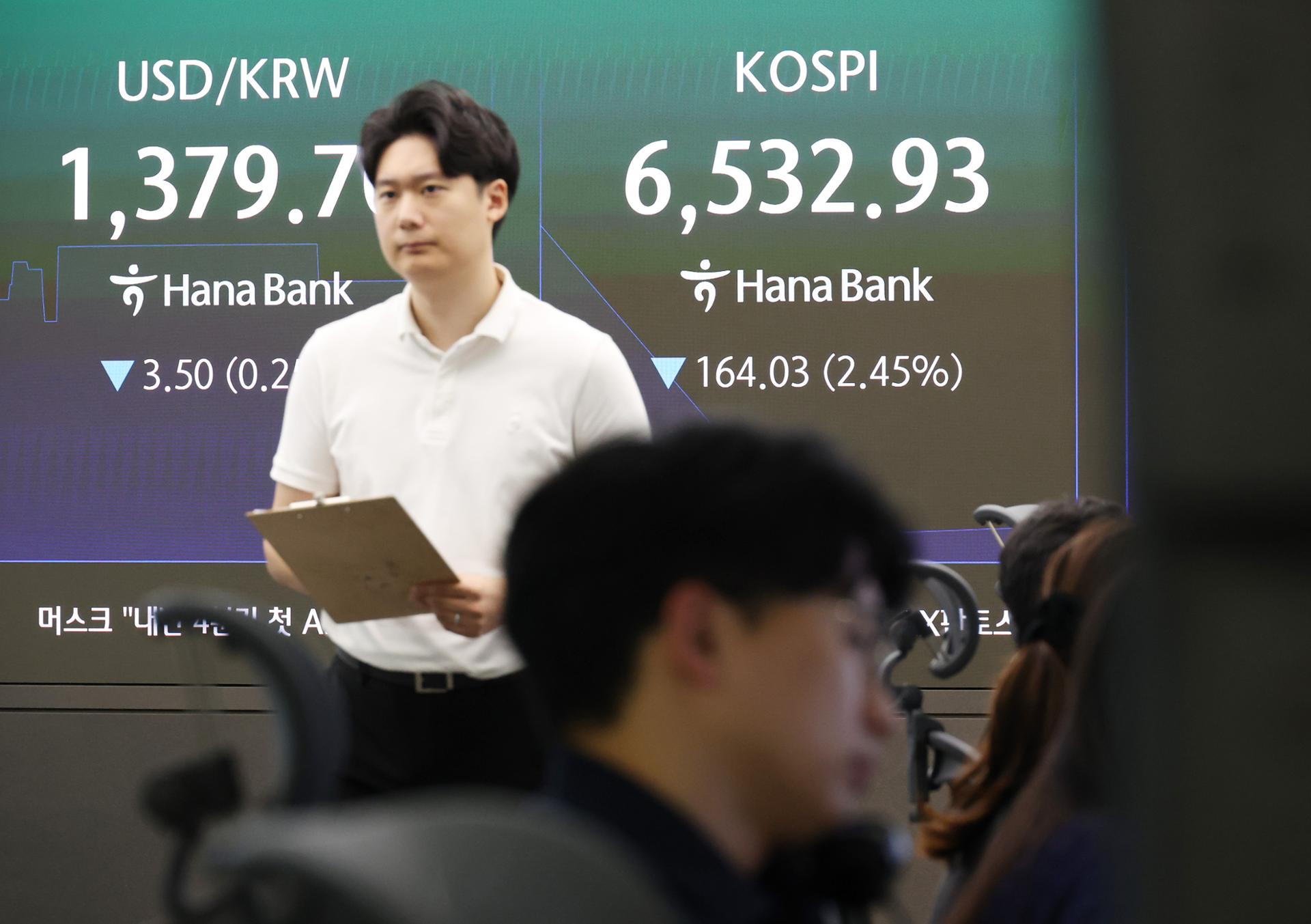
The increase in India's ETF weights coincides with the strong relative performance of Indian equities, particularly in contrast to several major emerging markets. Since June 30, South Korea's KOSPI has dropped nearly 19%, while Brazil's Ibovespa and Taiwan's TWSE Index have declined by 3% and 2%, respectively. In comparison, India's BSE Sensex has reported a modest gain of around 1%.
Written by urgent.news from The Economic Times - Top News's reporting — not their text. Machine-written — may contain errors; check the original before relying on it.