Ritual solstice structure 1,000 years older than Stonehenge unearthed in Czech Republic
Archaeologists have discovered a prehistoric ritual structure oriented to the sun and moon in the Czech Republic.
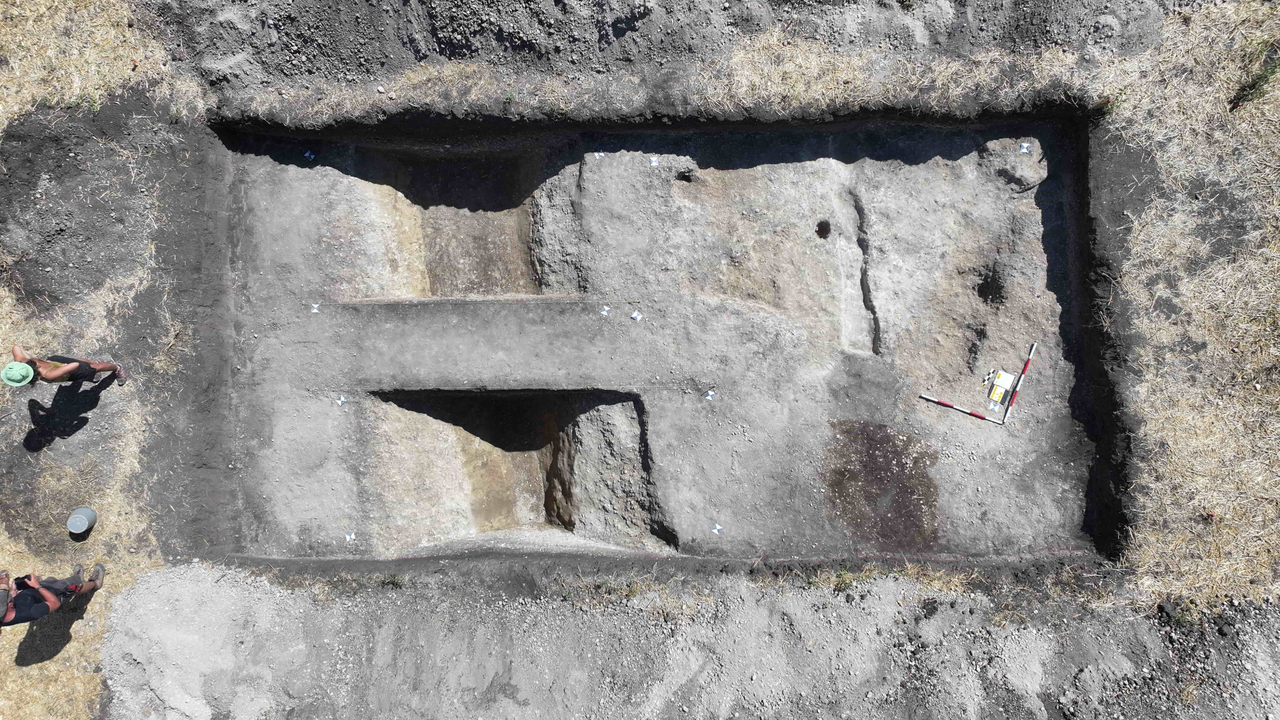
Archaeologists in the Czech Republic have unearthed a prehistoric structure believed to be a ritual center linked to the movements of the sun and moon. This center, which dates back approximately 6,500 years, is about 1,000 years older than Stonehenge. Located at Chleby in the Central Bohemian Region, the structure consists of a circular enclosure with a ditch measuring around 750 feet in diameter and 8 feet deep.
Twelve entrances, positioned around the ditch, are thought to have been used by people to observe significant astronomical events.
The archaeologists suspect that wooden posts likely formed the walls of the enclosure. Animal bones found within the ditch suggest that the entryways may have been adorned with bull skulls and horns. The bull was a significant religious symbol among early farming communities, representing strength and fertility.
The circular enclosure is unique for its time period, making the site exceptionally rare. However, the arrangement of the entrances' geometry indicates that they were not arranged randomly. Instead, they were specifically oriented to allow observers within the enclosure to witness key moments in the solar and lunar cycles. This includes observing the moon's most extreme position on the horizon during its 18.6-year cycle, as well as sunrise during the summer solstice and sunset during the winter solstice.
The site's original ritual purpose may have been lost or changed over time. While Bronze Age burials found at the site indicate a possible continued ritual use, an Iron Age settlement was later built over the site. Today, the structure serves as a testament to the ingenuity and spiritual beliefs of Neolithic farming communities. Further research, including analysis of the site's soil, will continue to provide insights into the lives of those who once inhabited this extraordinary location.
Written by urgent.news from Live Science's reporting — not their text. Machine-written — may contain errors; check the original before relying on it.