RESILIENT RECOVERY: Brainstormed: How Kruger Park is rethinking the humble culvert
To most visitors driving through Kruger National Park, a culvert is barely noticeable. It is simply the concrete structure beneath the road that carries water from one side to the other.
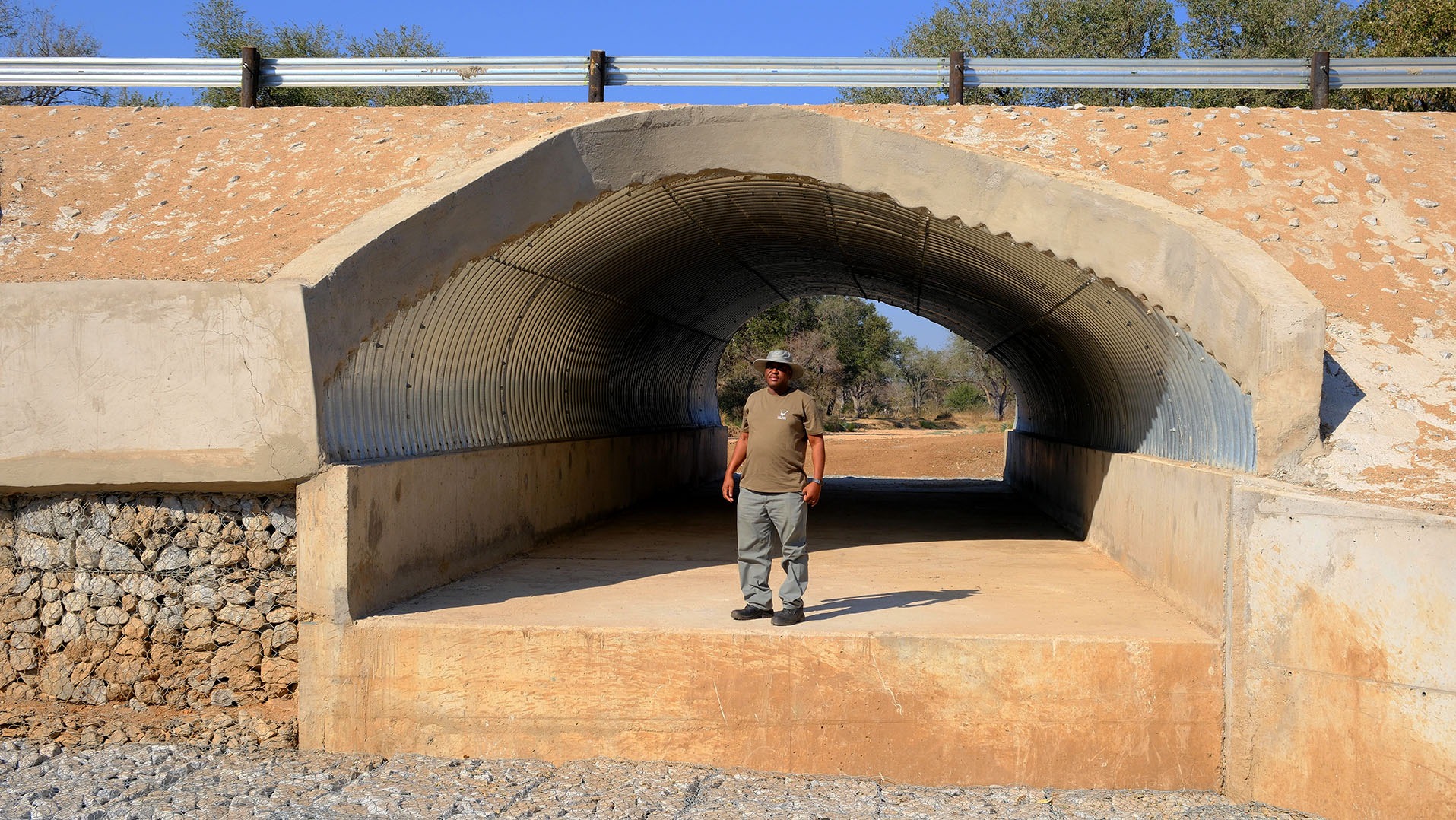
Kruger National Park is reevaluating the humble culvert as infrastructure engineer Bharat Gulab joins SANParks in 2022, having previously worked as a consultant and for Johannesburg Water. His work has highlighted the damage extreme floods can inflict on roads, bridges, buildings and management routes. Recent floods in the park resulted in estimated damages of around R950-million, with a shortfall of about R400-million still to be covered through insurance, government funding and SANParks' own resources.
The bigger issue is that many of Kruger's structures are already 50 or 60 years old and floods are now exceeding the volume that existing infrastructure was designed to handle. The park is now adopting a "build back better" approach, focusing on rebuilding infrastructure more resiliently. Engineers first install subsoil drains beneath the structure to control groundwater flow and prevent weakening of the foundation.
The road is then rebuilt carefully, often requiring the replacement of over 5m of fill material. The approaches on either side of the culvert or bridge are crucial, as fast-moving floodwater can erode unprotected soil, rendering the road unusable. At the Letaba high-level bridge, for instance, the rebuilt approaches include stone pitching and concrete drainage channels to guide water away and protect the road.
Larger culverts are also being constructed to accommodate greater volumes of water, allowing floodwater to pass more freely and reduce pressure on the road embankment. While these resilience measures are costly, protecting Kruger's roads is essential for connecting visitors to camps and wildlife experiences, as well as enabling rangers, emergency teams and park staff to carry out their duties.
Each reconstructed crossing offers an opportunity to apply new knowledge, improve drainage, and adapt to more unpredictable weather patterns. As visitors cross these structures, they may still see "just a culvert," but beneath their wheels lies months of engineering and an example of how Kruger is learning to live more resiliently with water.
Written by urgent.news from Daily Maverick's reporting — not their text. Machine-written — may contain errors; check the original before relying on it.