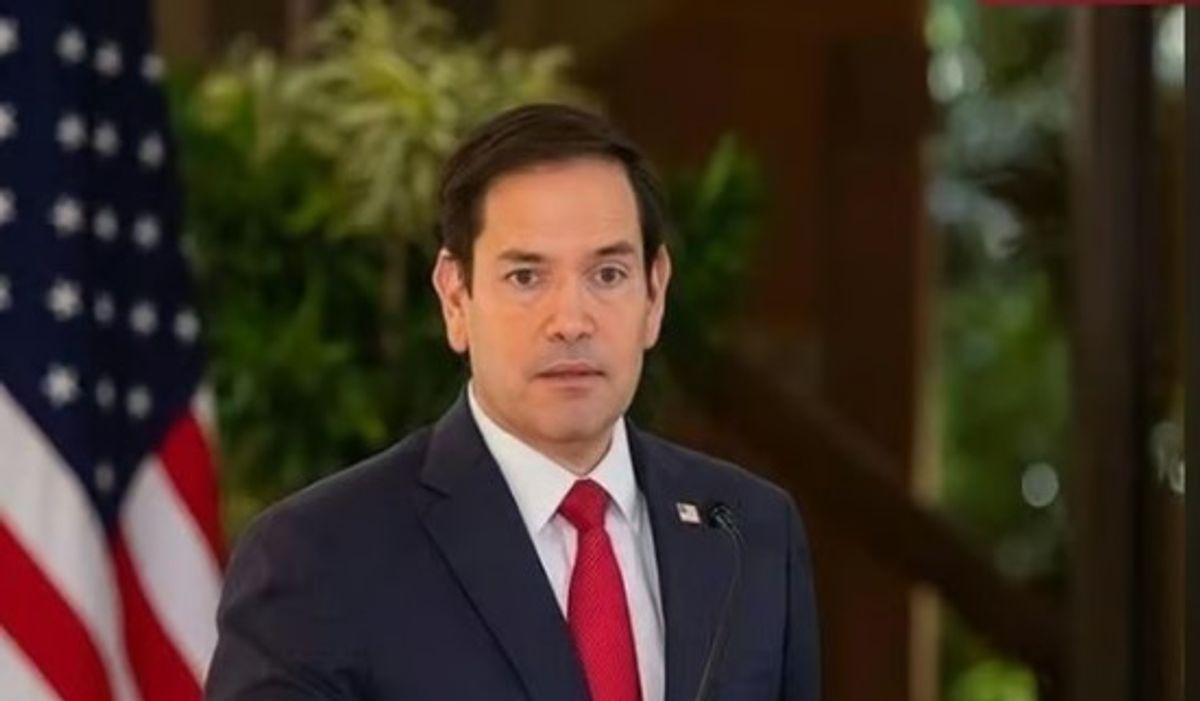
Private security firms acting as political militias risk licence revocation, prosecution – National Security Coordinator
National Security Coordinator COP Osman Abdul-Razak has warned that private security companies and informal community security groups that operate as political task forces or private militias during election periods risk losing their licences and facing criminal prosecution. He said no private entity would be allowed to assume the coercive powers of state security agencies or […]
Former Attorney-General Dr. Benjamin Kunbuor has raised concerns about the effectiveness of Ghana’s Vigilantism and Related Offences Act, 2019 (Act 999) in addressing political vigilantism. Dr. Kunbuor argued that the law fails to tackle the political and strategic dimensions of vigilante activities, treating it primarily as a criminal issue.
He emphasized that the legislation focuses on criminal prosecutions without sufficiently addressing the political parties and actors that create demand for vigilante services. At a national policy dialogue in Accra, Dr. Kunbuor challenged the assumption that legislation is always the solution to social problems, stating that policymakers need to identify the appropriate legal framework for each phenomenon.
He pointed out that the problem with Act 999 lies in its inability to recognize vigilantism's strategic and political aspects, which require interventions beyond criminal sanctions. Dr. Kunbuor also highlighted political parties' central role in Ghana's governance and vigilantism challenges, attributing issues such as bad governance, corruption, and difficulties in implementing laws to these parties.
Former National Security Minister Albert Kan-Dapaah concurred with Dr. Kunbuor, stating that Act 999 was an emotional political response to violence during the Ayawaso West Wuogon by-election and should have aimed to curb the demand for vigilante groups rather than just criminalizing their supply. He traced the roots of political vigilantism in Ghana's political history, noting its resurgence under the Fourth Republic and intensification due to politicians' perception of gaining power as a "do or die" affair.
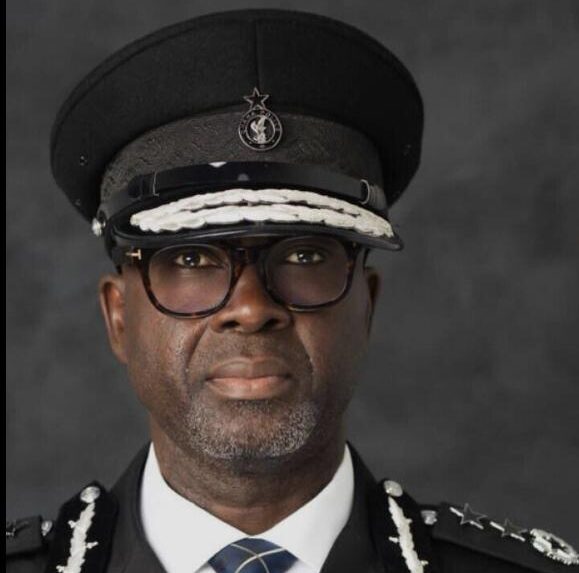
The former minister also questioned the effectiveness of disbanding vigilante groups, emphasizing that they merely resurface under different names. Director of Operations of the Ghana Police Service, COP Emmanuel Teye Cudjoe, presented a more optimistic view of Act 999 implementation, highlighting the law's role in providing the police with a legal framework to develop operational responses to vigilantism and related violent activities.
He stressed the importance of prevention, disruption, and investigation, emphasizing that the police service is focusing on building specialised operational units to respond to threats. However, Dr. Kunbuor questioned whether arrests, prosecutions, or remand could be considered meaningful indicators of success, arguing that these measures are merely steps towards, rather than solutions to, the broader problem.
He called for clear benchmarks and data-driven assessments to determine whether vigilantism is indeed declining or merely being driven underground.
Written by urgent.news from 3News's reporting — not their text. Machine-written — may contain errors; check the original before relying on it.
This story
This is one outlet's version. Read the fullest account.