ON LIFE SUPPORT: ‘The service has collapsed’: Eastern Cape ambulance crisis far worse than the state admits
The Eastern Cape says its ambulance fleet is operational, but frontline EMS workers and their union say the supply of properly equipped vehicles is critically low, with only a handful available to respond to emergencies on some shifts in Nelson Mandela Bay.
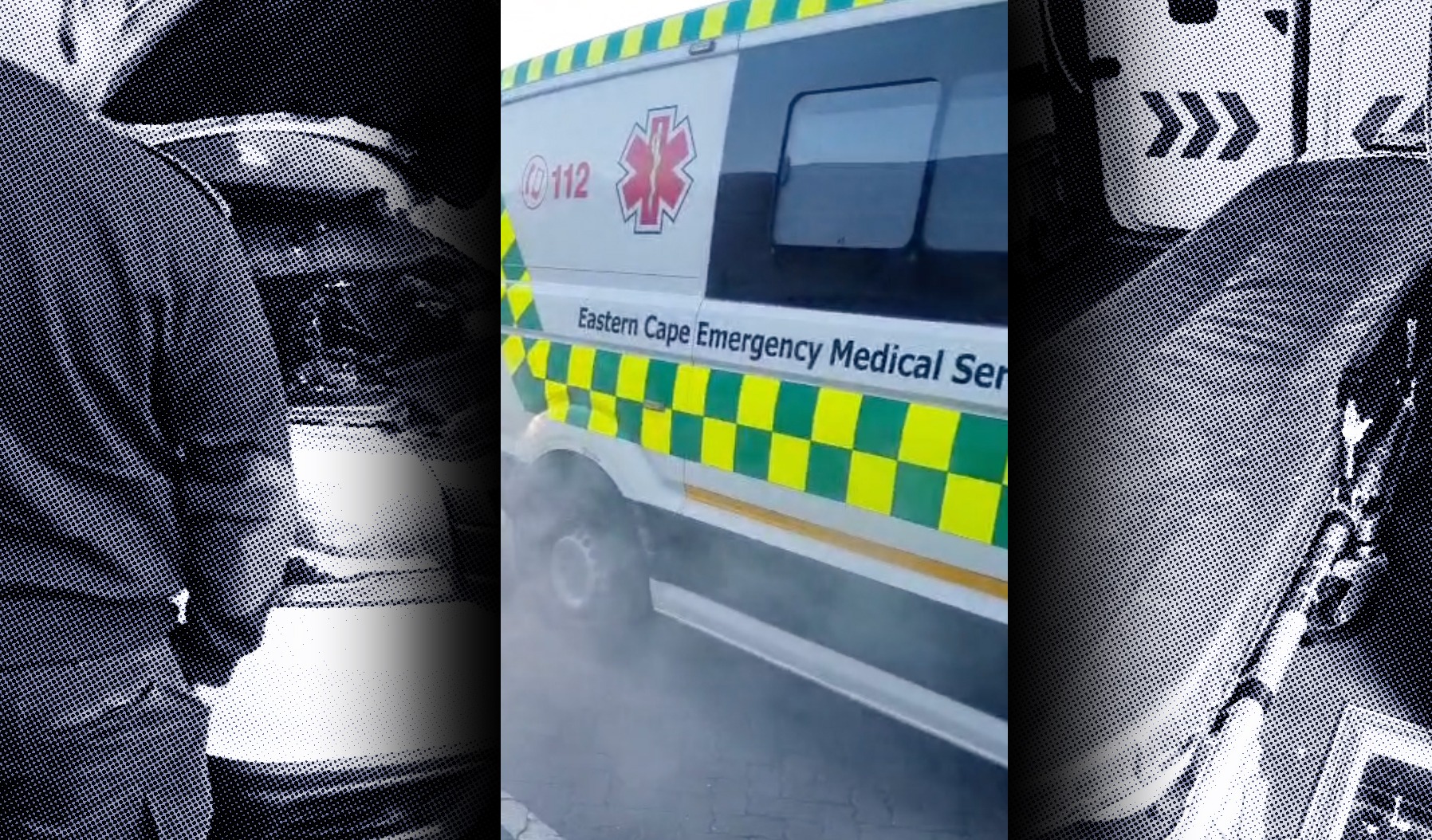
Eastern Cape's ambulance system is performing far worse than the official figures suggest, according to frontline workers and their union. The service in Nelson Mandela Bay is described as being on life support, with only a handful of properly equipped ambulances available on some shifts. An experienced EMS source, speaking anonymously to Daily Maverick, said the emergency medical service has collapsed, with broken-down vehicles, missing equipment, and dangerous working conditions plaguing the system.
At the Dora Nginza ambulance base, which serves a large part of Gqeberha, only one fully equipped ambulance had been available recently, while only two or three ambulances could respond to calls for the better part of the day. The department confirmed that 211 ambulances are grounded, leaving only 139 operational, meaning that 60% of the province's entire ambulance fleet is currently off the road.
Written by urgent.news from Daily Maverick's reporting — not their text. Machine-written — may contain errors; check the original before relying on it.