Oman’s nature reserves boost environmental protection, sustainable development
Oman is expanding its network of nature reserves to safeguard biodiversity and support national and global sustainable development goals.
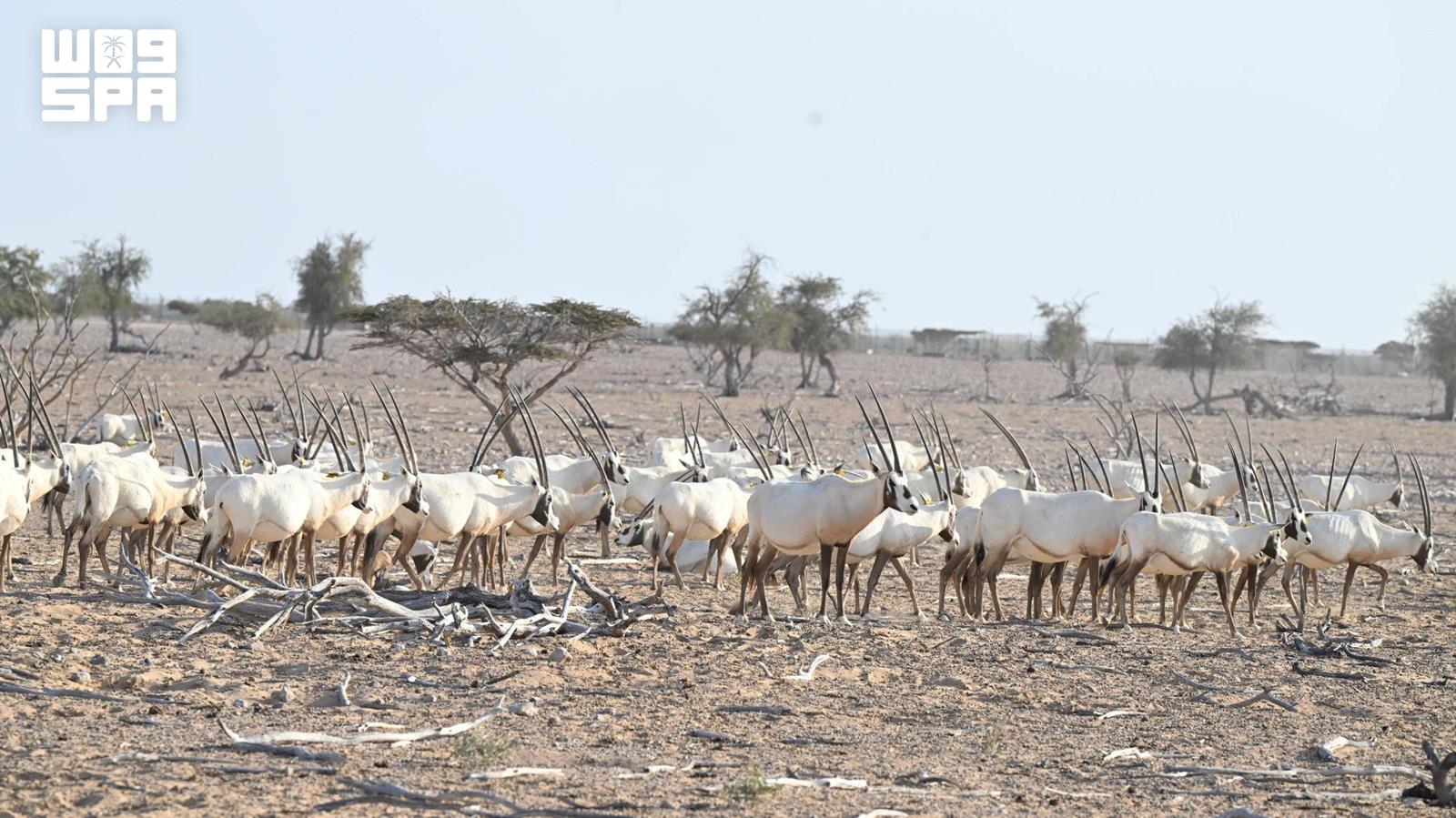
Oman is expanding its nature reserve network to protect biodiversity and support global sustainable development goals. The Sultanate houses 32 reserves covering roughly 5.76 percent of its land, making them a key pillar of its environmental strategy. This system safeguards terrestrial, marine, and wetland ecosystems, as well as crucial plant and animal species in their natural habitats.
Zahra bint Khalaf Al-Shuraiki, director of the Nature Reserves Management Department at the Environment Authority, explained that reserves serve a multifaceted role. They bolster scientific research, environmental monitoring, sustainable resource use, environmental education, and responsible ecotourism. The authority is actively expanding its reserve network by identifying new sites, updating management plans, completing regulatory frameworks, boosting scientific research, and involving the community in natural resource management.
Looking ahead, the focus will be on improving field management efficiency, upgrading infrastructure, promoting sustainable ecotourism, and enhancing cooperation with international organizations. Oman has already introduced six new reserves in the past five years, including a marine buffer zone around the Hallaniyat Islands. Al-Shuraiki highlighted that protecting wildlife hinges on maintaining natural habitats, and the authority monitors species like the Arabian leopard, Arabian oryx, Arabian gazelle, and marine turtles—identified as globally significant by the International Union for Conservation of Nature (IUCN).
However, reserves confront challenges such as illegal hunting and the adverse effects of climate change. These are tackled through stringent environmental legislation, impact assessments, intensified field monitoring, and collaboration with government agencies and local communities. Climate change threatens to alter species distribution and degrade habitats, prompting the authority to integrate climate considerations into management plans.
This includes restoring degraded habitats, expanding mangrove plantations, and employing advanced technologies to track environmental shifts.
Al-Shuraiki emphasized the reserves' pivotal role in achieving sustainable development goals. They protect biodiversity and natural resources, enhance food and water security, mitigate climate change impacts, advance research and education, foster international partnerships, and drive the green economy. By developing ecotourism and creating jobs in environmental guiding, tourism services, and traditional crafts, reserves offer economic benefits to local communities.
Reserves also serve to raise environmental awareness, preserve cultural heritage, and foster community responsibility, positioning local residents as vital partners in their successful management and long-term sustainability.
Written by urgent.news from Ajel English's reporting — not their text. Machine-written — may contain errors; check the original before relying on it.