Oil prices steady as markets await US sanctions on Iran
Oil prices held steady on Tuesday after a sharp drop, as investors watched for the impact of expanded US sanctions on Iran and potential supply risks.
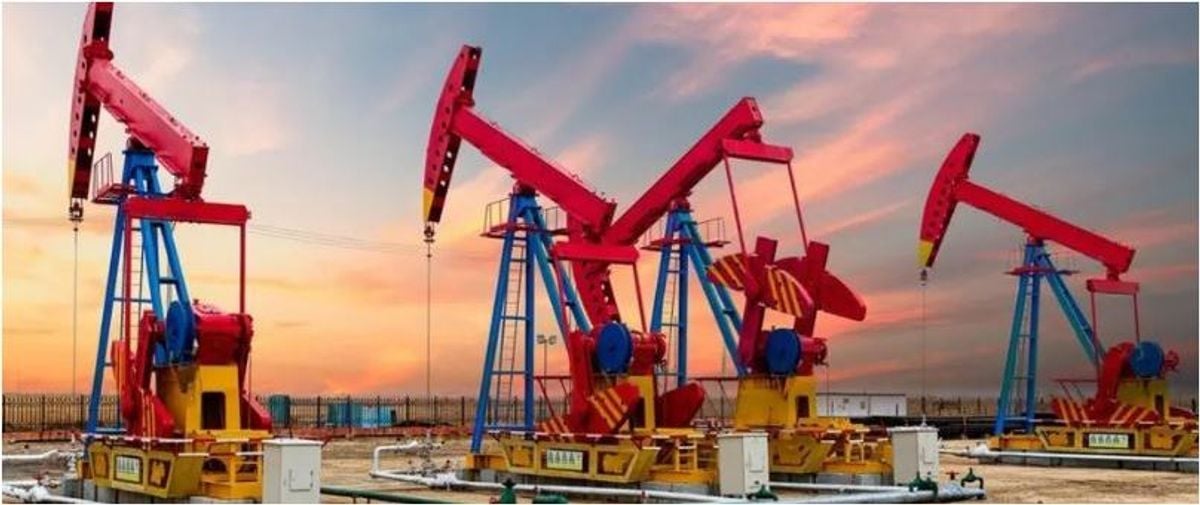
Oil prices stabilized on Tuesday after a more than 2% decline the previous day, as investors assessed the impact of enhanced U.S. secondary sanctions against Iran. Brent crude futures rose 6 cents, or 0.1%, to $92.16 per barrel, while West Texas Intermediate crude increased 15 cents to $85.12 per barrel. Both contracts had fallen over 2% on Monday, hitting a one-week low, as traders cashed in profits following a rally over the past two weeks.
On Monday, U.S. Treasury Secretary Scott Bessent announced a broader set of sanctions aimed at severing Iran's economic ties and potentially ending the conflict. He emphasized that countries would need to sever their business relationships with Iran or face exclusion from the dollar-based financial system. The timing and specifics of the penalties were not disclosed, but countries would be provided time to comply.
Defense Secretary Pete Hegseth indicated that the U.S. would not rule out military action against Iran, but the focus was shifting towards economic pressure, which analysts noted had reduced concerns about potential threats to Middle Eastern oil supplies due to the war.
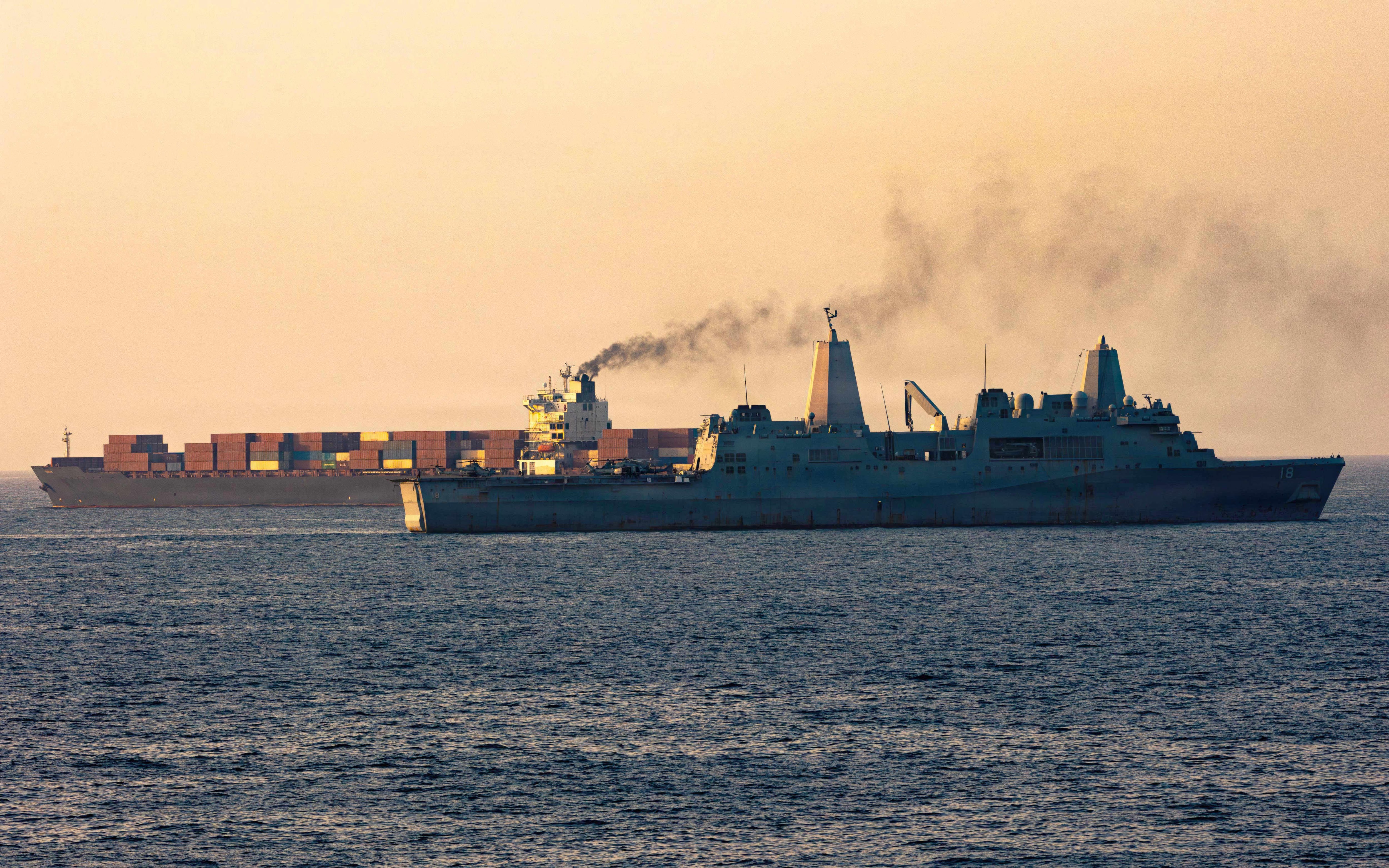
However, tensions persisted. On Tuesday, an oil tanker was hit by an unidentified projectile near Oman's Ash Shishah and disabled, according to the UK Maritime Trade Operations. Iran has maintained its claim to control the strategic Strait of Hormuz, which typically carries about 20% of global oil shipments. The country named 45 tankers that it accused of violating its rules for crossing the strait and threatened actions against them, including seizing their cargo.
The ongoing disruptions in oil supply due to the U.S.-Israeli war on Iran have prompted countries to reduce their commercial and strategic reserves. The duration of these disruptions will be crucial in determining crude prices. JPMorgan estimates that each additional month of disruption could add $7 to $8 per barrel to Brent prices, with a three-month disruption potentially pushing average monthly Brent prices to around $114 per barrel.
If the situation persists, Goldman Sachs predicts Brent could reach $120 per barrel, while its base case forecasts an average of $80 per barrel in the fourth quarter and $75 per barrel next year. Despite the risks, Goldman Sachs believes disruptions through the Strait of Hormuz and the Red Sea could last longer than anticipated.
Written by urgent.news from The Economic Times - Top News's reporting — not their text. Machine-written — may contain errors; check the original before relying on it.
This story
This is one outlet's version. Read the fullest account.
- HK stocks slip as US goes for Iran's economic jugular news.rthk.hk
- FTSE 100 Live: Stocks to rise after US threatens Iran sanctions; oil drops back cityam.com
- Oil Price Today (August 25): Crude oil at $92 as investors digest US economic sanctions on Iran. What’s next for investors? economictimes.indiatimes.com
- Crude oil prices rise as markets weigh US sanctions on Iran thehindubusinessline.com
- Dollar rebounds slightly with Iran sanctions, Treasury yields in focus investing.com
- Dollar inches up as markets weigh Iran sanctions, Treasury buybacks channelnewsasia.com