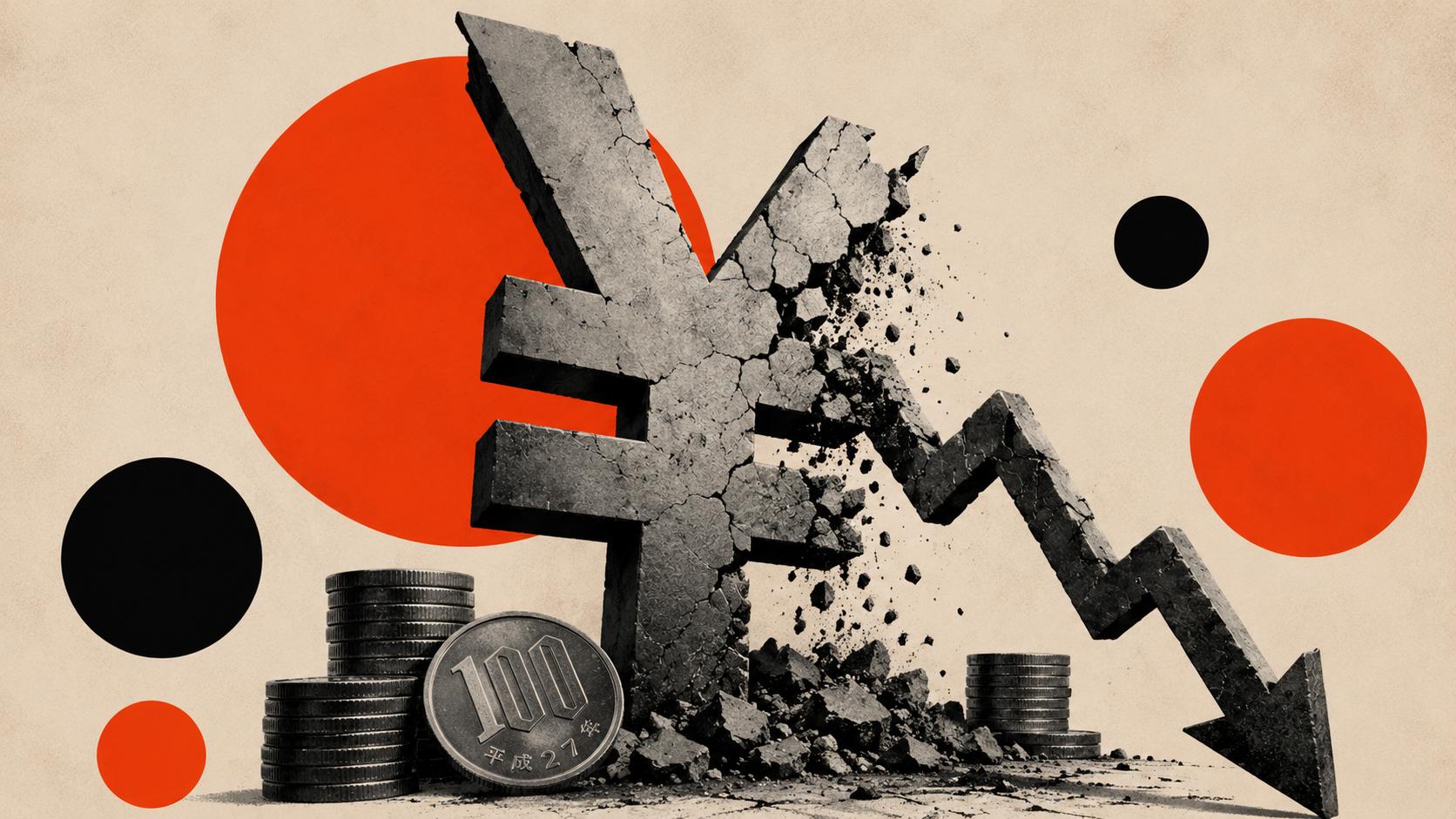
Dollar rebounds slightly with Iran sanctions, Treasury yields in focus
On Tuesday, the U.S. dollar experienced a slight rebound as investors analyzed the implications of expanded sanctions on Iran and the Federal Reserve's efforts to reduce Treasury yields. The US Dollar Index rose 0.1% to 99.065, up from its overnight gain of 0.2%. However, the index remained near its three-month lows of 98.5 reached last week.
The greenback's gains on Monday stemmed from U.S. Treasury Secretary Scott Bessent's announcement of broader sanctions targeting Iran. Nevertheless, the move did not generate sustained demand for the currency, as investors remained wary of potential U.S. fiscal risks. Bessent emphasized that countries and businesses continuing to trade with Iran risked being excluded from the dollar-based financial system.
Iran responded by vowing to retaliate, asserting its confidence that major trading partners would resist Washington's influence.
Meanwhile, the Japanese yen weakened against the dollar, with the USD/JPY pair climbing 0.2% to 159.35 yen. The South Korean won's USD/KRW pair increased by 0.2%, while the Indian rupee's USD/INR remained relatively stable. The Australian dollar's AUD/USD pair also showed limited movement.
Minutes from the Reserve Bank of Australia's August meeting revealed divisions among policymakers regarding the extent to which inflation risks warranted another rate hike. In U.S. Treasuries, yields saw a minor decline following reports that the Treasury could utilize cash within its $940 billion General Account to fund purchases of longer-dated debt. This move aimed to complement the Treasury's plans to double quarterly buybacks of 10- to 30-year securities to $4 billion each operation starting September 10.
Despite these measures, Treasury yields remained elevated, exerting pressure on global borrowing costs and limiting the dollar's ability to sustain its rebound. Investors are now focusing on the July personal consumption expenditures (PCE) price index, which is scheduled for release on Wednesday. The PCE index serves as the Federal Reserve's primary inflation gauge and will offer crucial insights into the central bank's future policy decisions.
Additionally, investors are eagerly anticipating Federal Reserve Chair Kevin Warsh's speech at the Jackson Hole conference on Friday, as it may shed light on monetary policy developments and the recent rise in Treasury yields.
Written by urgent.news from Investing.com's reporting — not their text. Machine-written — may contain errors; check the original before relying on it.
This story
This is one outlet's version. Read the fullest account.
- HK stocks slip as US goes for Iran's economic jugular news.rthk.hk
- FTSE 100 Live: Stocks to rise after US threatens Iran sanctions; oil drops back cityam.com
- Oil Price Today (August 25): Crude oil at $92 as investors digest US economic sanctions on Iran. What’s next for investors? economictimes.indiatimes.com
- Crude oil prices rise as markets weigh US sanctions on Iran thehindubusinessline.com
- Oil prices steady as markets await US sanctions on Iran english.ajel.sa
- Dollar inches up as markets weigh Iran sanctions, Treasury buybacks channelnewsasia.com