MACABRE BUSINESS OP-ED: Shot, skinned and sold: South Africa’s enormous trade in wild primates
There is an ethical failure embedded in the staggering numbers that sustain this vast, established market. We need to confront a moral question: what gave us the authority to turn living beings into commodities in the first place?
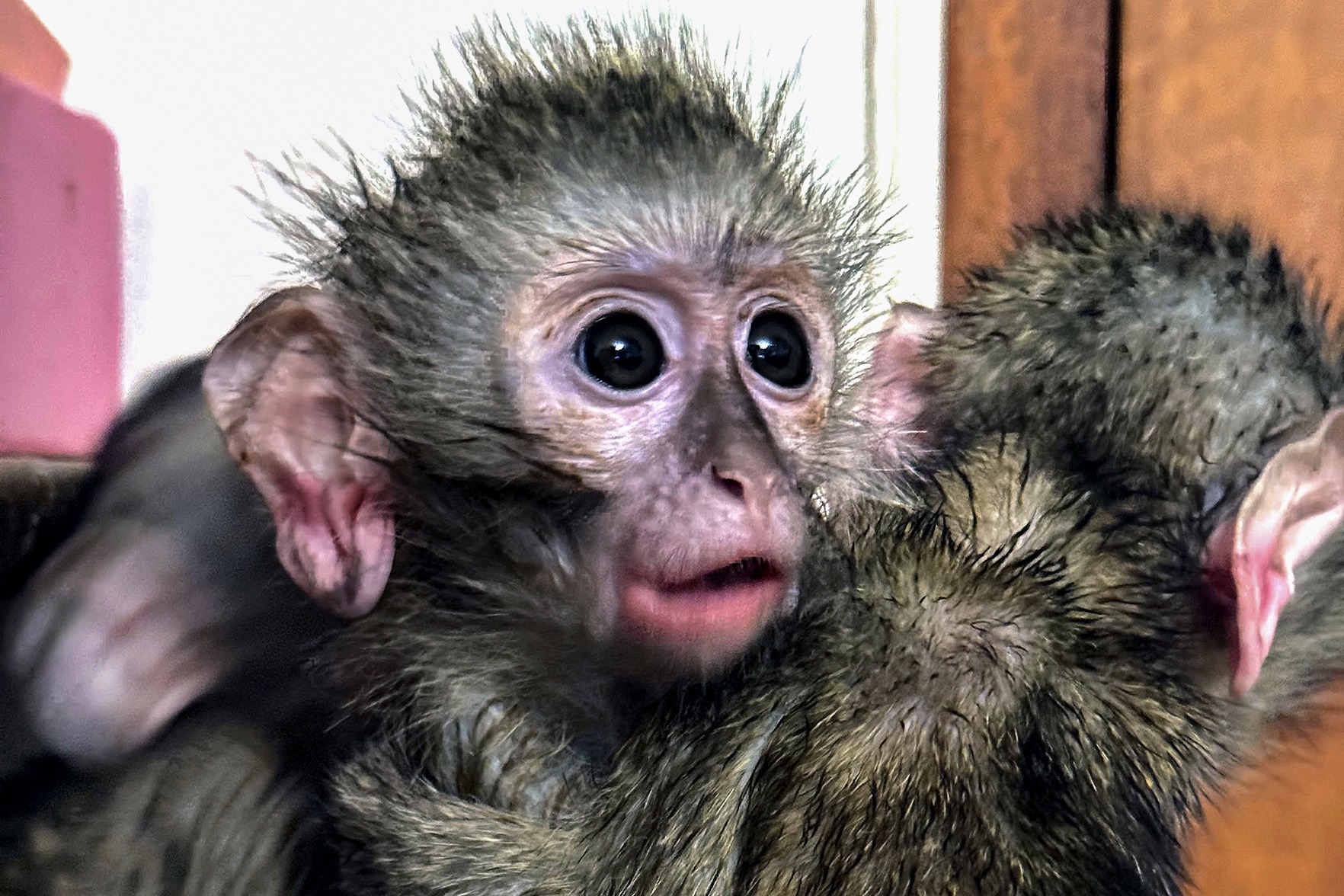
The story of South Africa's wild primate trade is a macabre one, involving the shooting, skinning and sale of thousands of chacma baboons and vervet monkeys. According to government records, the country has been involved in this trade for years, exporting thousands of trophies and over a thousand skulls.
In just two years, from 2023 to 2024, South Africa authorized the export of 1,867 chacma baboon trophy items and 1,279 vervet monkey trophies. This includes 681 chacma baboon skulls and 590 vervet skulls. Combined, that's 4,417 items in two years.
The ethical implications of this trade are deeply troubling. Baboons and vervets are highly intelligent, emotionally responsive, and intensely social animals. Killing them for trophies is not just a loss of a single biological unit, but a loss of a unique individual with its own cognitive processes, emotional responses, and social connections.
The trade also raises questions about conservation. Despite the scale of the killings, the government has not implemented a unified national policy for hunting chacma baboons and vervet monkeys. This lack of policy, combined with the scale of the trade, highlights the moral failure embedded in this enormous and established market.
Most of the trade involves killing primates for trophies, with over 3,100 chacma baboon and vervet monkey trophies exported in two years alone. However, the trade goes beyond trophies. Another 1,271 chacma and vervet skulls were authorized for export in the same period, with at least 1,106 of these for commercial purposes.
The international market for primates is vast and well-established, with demand coming from a variety of sources, including osteology suppliers, taxidermists, natural history dealers, artists, collectors, and the growing market for oddities and curiosity cabinets. US-based Skulls Unlimited, for example, sells genuine vervet monkey skulls, while Worldwide Wildlife Products advertises chacma baboon and vervet monkey skulls imported from South Africa.
The commercial trade in primates is a complex chain, involving the killing of animals, acquisition by intermediaries, preparation of skulls, assembly of consignments, and sale to collectors, educational buyers, artists, or oddity dealers. The scale of the trade suggests that hundreds of skulls likely come from the same animals, with individual skulls retailing for several hundred dollars.
Written by urgent.news from Daily Maverick's reporting — not their text. Machine-written — may contain errors; check the original before relying on it.