KRA raises threshold for containerised cargo to Ksh 3.2M to curb tax evasion
The Kenya Revenue Authority (KRA) has increased the customs benchmark for containerised cargo from Ksh 2.5 million to Ksh 3.2 million in what is expected to seal revenue leaks associated with undervaluation of imported goods. KRA says the containerized cargo arrangement which has been in operation for the last six years has been crucial and […] The post KRA raises threshold for containerised…
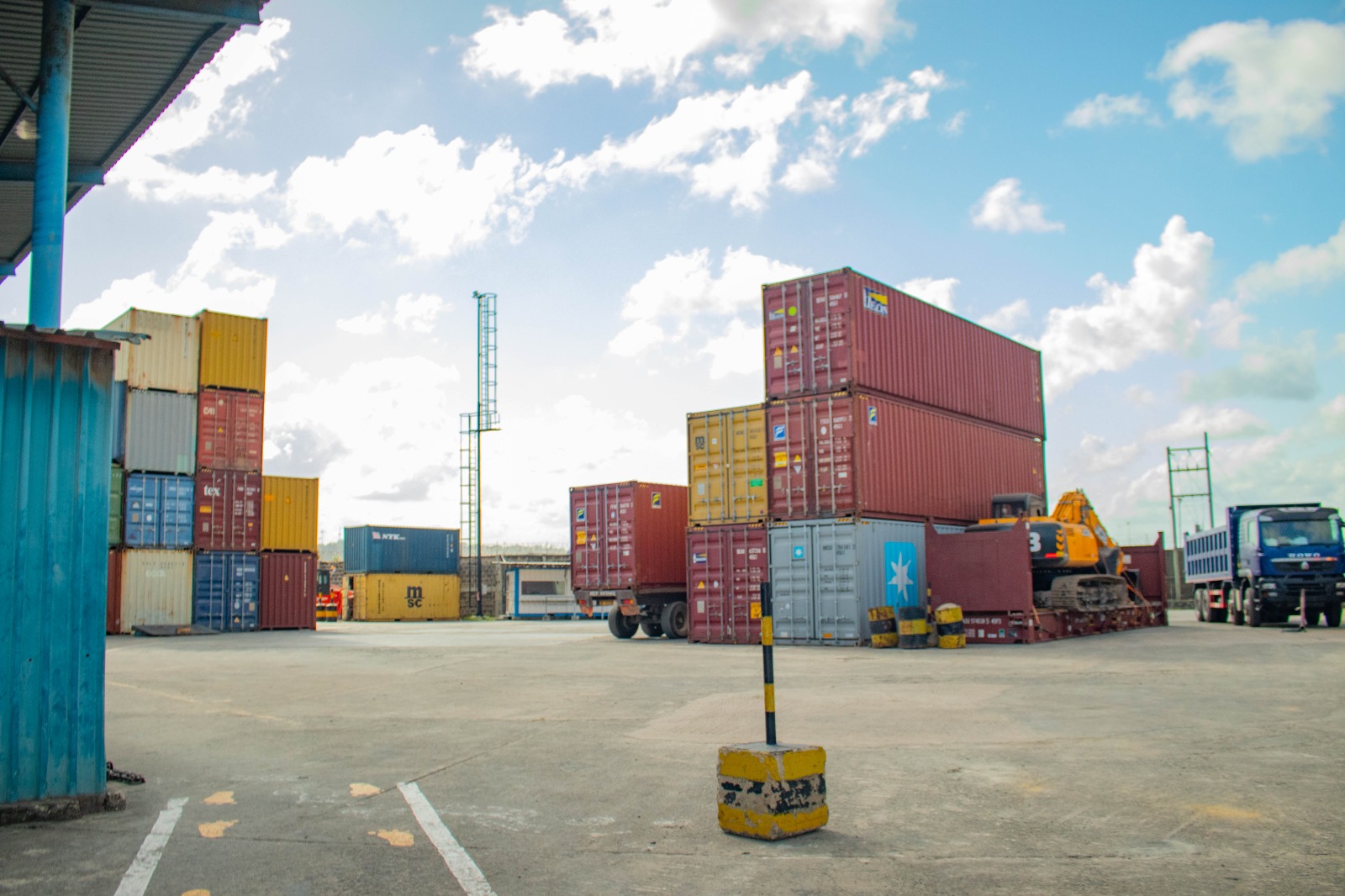
The Kenya Revenue Authority (KRA) has raised the customs threshold for containerized cargo from Ksh 2.5 million to Ksh 3.2 million, with the aim of reducing tax evasion associated with undervaluation of imported goods. This adjustment, effective immediately, targets the containerized cargo arrangement that has been operational for the past six years, allowing small traders to import goods more cost-effectively by combining shipments in a single container.
However, KRA Commissioner for Customs and Border Control, Dr. Lilian Nyawanda, has expressed concerns that the system has been exploited to facilitate customs non-compliance, including undervaluation, under-declaration, misdescription, misclassification, and concealment of high-value goods.
Nyawanda emphasized that the new benchmark is not a fixed valuation but a minimum reference point, applicable only if the actual value of the goods exceeds Ksh 3.2 million. Importers are required to make accurate declarations and pay the correct taxes based on the actual value of their goods. The authority has specifically noted the prevalence of undervaluation in high-value electronics, such as smartphones, which are often declared as lower-value models to reduce customs value and taxes payable.
Furthermore, KRA has expressed worry that larger importers are leveraging consolidation arrangements to reduce their tax obligations, thereby creating an unfair competitive advantage over compliant traders. The authority stresses that fair competition should be based on efficiency, quality, and innovation rather than tax avoidance. Protecting the integrity of the customs system is crucial for safeguarding the interests of compliant businesses and fostering local manufacturing.
Traders utilizing cargo consolidation arrangements to import goods are now being reminded to fulfill their domestic tax obligations upon selling the imported goods. Overall, the KRA's decision seeks to level the playing field and ensure that all businesses compete fairly, without the unfair advantage of tax evasion.
Written by urgent.news from KBC's reporting — not their text. Machine-written — may contain errors; check the original before relying on it.