Energia ed effetto dazi abbattono l’avanzo Ue verso Washington
Maggiori acquisti di energia, minori vendite di beni. Il combinato disposto di queste due voci riduce ancora una volta l’avanzo commerciale dell’Europa verso gli Stati Uniti, che si porta sui...
The combined effect of increased energy purchases and decreased sales of goods is once again reducing Europe's trade surplus with the United States, which has hit a low of 29 billion euros in the second quarter of this year. Eurostat's data showed a surge in energy purchases, with the rise in prices and higher purchases in volumes reaching 29 billion euros in the quarter, surpassing the record set in mid-2022 when gas prices went out of control following Russia's invasion of Ukraine.
The European deficit towards Washington for the energy chapter alone is thus 26 billion euros, the highest in a single quarter ever. Overall, Europe's imports from Washington rose from April to June from 88 to 99 billion euros, contributing to a downward trend in the trade surplus. The downward trend in the surplus is also bolstered by the decline in exports, with sales falling from 135 to 128 billion euros between April and May.
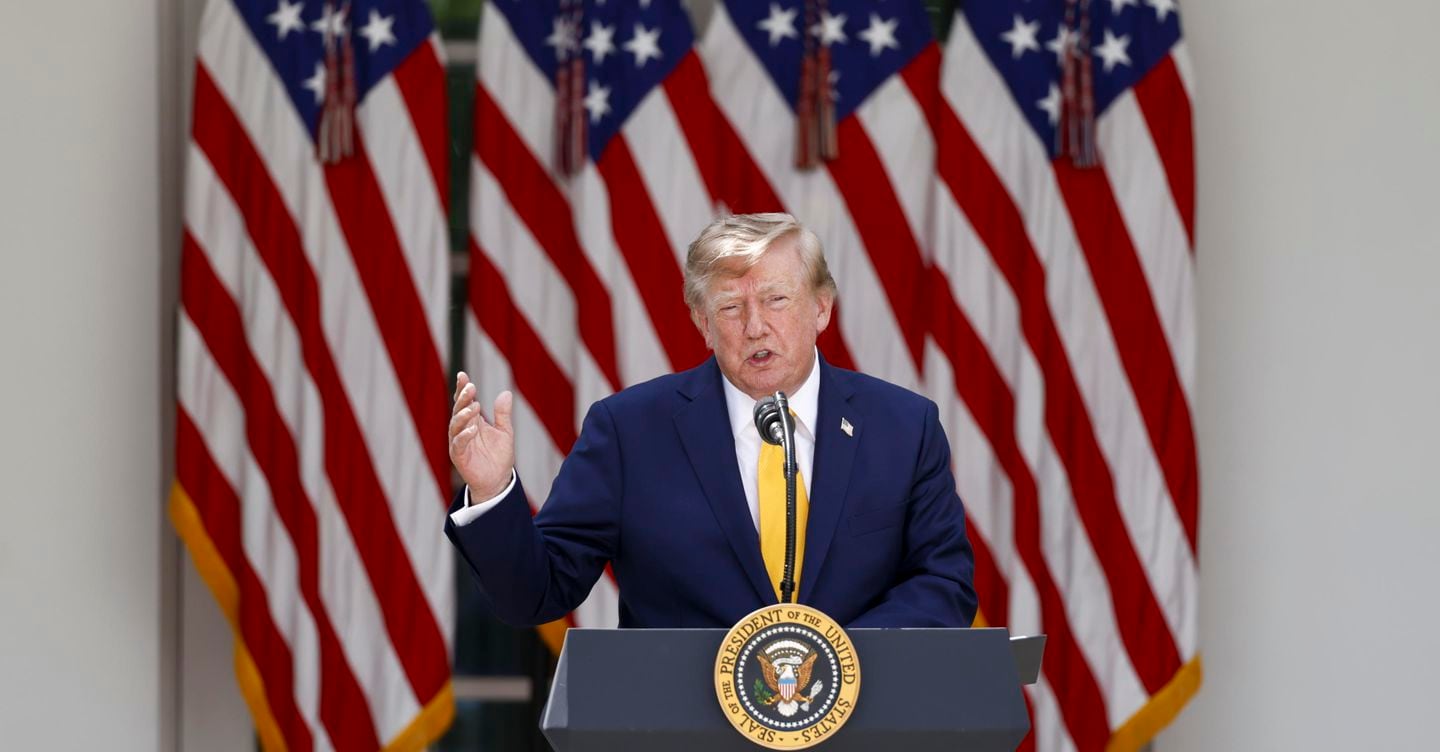
As a result, the European deficit towards the United States has shrunk from 47 to 29 billion euros, continuing the trend that started in the first half of the year. However, this is largely due to comparisons with an exceptional year, 2025, when concerns about the start of tariffs by Trump led many businesses to overstock goods towards Washington in an attempt to limit the impact of extra costs.
The sales trend is clearly visible in the Eurostat series, which highlights European sales of 171 billion euros in the first quarter of 2025, clearly off the historical yearly average of 130 billion euros. The return to normal export after the overstocking, which also resulted in a temporary drop below historical averages, has pushed the trade surplus for 2026 down from the record-breaking previous year.
While the European surplus with the United States still holds, generally speaking, the trade balance with non-EU areas closes in a deficit, a first "red" after the second quarter of 2023. Overall, exports to non-EU areas grew by 5.4% (+€34.9 billion) while imports rose by nearly ten points (+63.4 billion). Driven by increased European purchases, the deficit in energy surged from 71 billion euros in the first quarter to 101 in April-June, with raw materials also in the red, with the deficit rising from 7.9 to 9.4 billion euros.
Written by urgent.news from Il Sole 24 Ore's reporting — not their text. Machine-written — may contain errors; check the original before relying on it.