Kartu Kredit Indonesia: A New payment landscape
Eight banks joined the initial rollout of KKI, while payments are made through QRIS, either by scanning a code or using QRIS Tap.
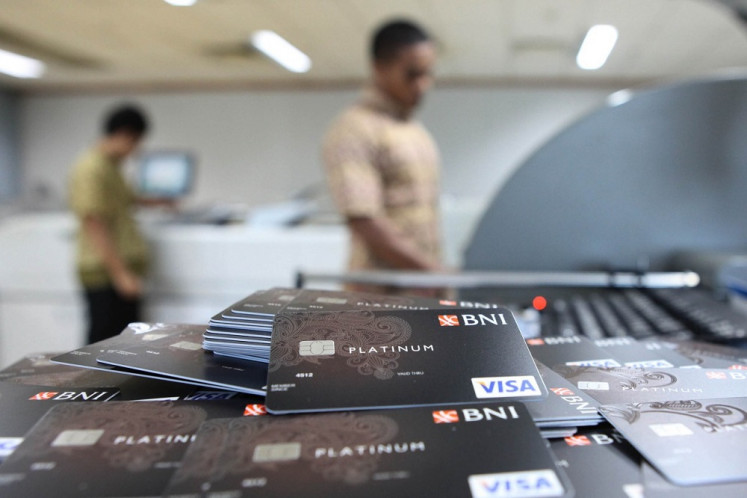
The Indonesian credit card market is undergoing a shift as the National Payment Gateway (GPN) and QRIS digital payment system join forces. Launched on August 17, Kartu Kredit Indonesia (KKI) is a domestically processed credit product entering this established payment habit. Eight banks, including Bank Mandiri, BCA, BNI, BRI, CIMB Niaga, PermataBank, Bank Mega and BSI, are issuing the credit facility.
Payments are processed through QRIS, either by scanning a code or using QRIS Tap. The relevance of KKI becomes evident when considering the ubiquity of QRIS in Indonesian daily life, with 65.7 million users and 44.9 million merchants, including 96.7 percent of micro, small and medium enterprises (MSMEs). By June, QRIS processed 12.5 billion transactions worth Rp 1.1 quadrillion (US$62 billion), with transaction values growing 93.9 percent year-on-year.
KKI's introduction to the QRIS ecosystem presents an opportunity for credit card usage beyond larger purchases. In practice, KKI adds another payment option alongside debit, e-money or cash. The small-ticket nature of QRIS payments, often around Rp 89,000, highlights the potential for KKI to facilitate more frequent, lower-value transactions.
This shift could change the credit card market's growth trajectory, focusing on the growing importance of small, everyday purchases. The comparison with India's RuPay credit cards linked to UPI demonstrates how credit use can expand within an established payment network. While consumers still need to qualify for a credit facility, QRIS expands its use, allowing neighborhood coffee shops and neighborhood stores to participate in credit-enabled payments, bridging the gap between small merchants and larger establishments.
Written by urgent.news from The Jakarta Post's reporting — not their text. Machine-written — may contain errors; check the original before relying on it.