Iran's response will decide effectiveness of Bessent's D-Day sanctions

US Treasury Secretary Scott Bessent invoked the famous D-Day landing of Allied troops in France in 1944 to announce new sanctions against Iran on its 80th anniversary. However, these measures are better compared to the less successful Anzio beachhead in Italy during World War Two. The Anzio battle began with Allied landings, but a lack of decisive leadership led to the campaign stalling and turning into a long struggle of attrition.
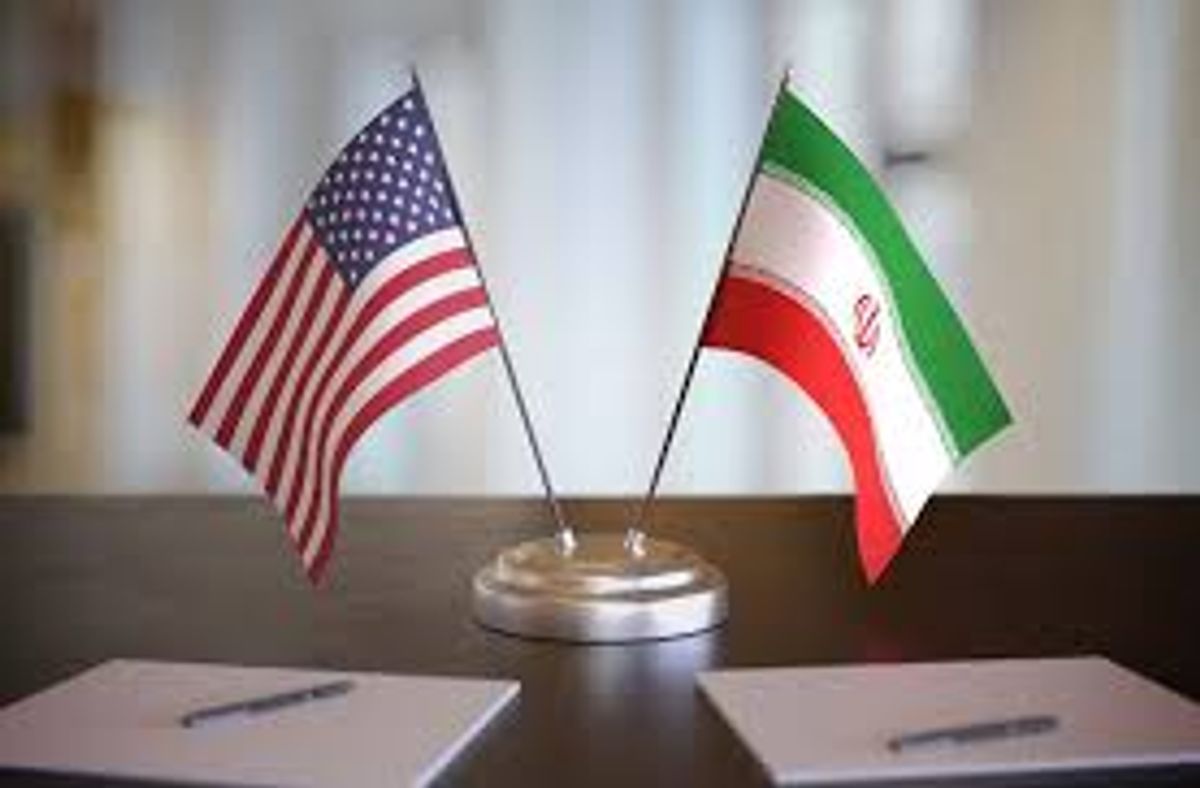
Bessent's new sanctions aim to economically strangle Iran by targeting five sectors: digital assets, technology, gold, aviation, and shipping. Instead of a full-scale attack, Bessent is warning countries to collaborate with the US or face losing access to the global financial system. While these measures are more of a threat than a reality, their effectiveness in forcing Iran's rulers to capitulate is doubtful.
Iran has a history of circumventing sanctions by creating new companies and collaborating with allies like China. With Beijing unlikely to join any US sanctions, imposing measures against Chinese banks, refiners, shippers, and traders may be too much for Washington to handle. The sanctions confirm that a diplomatic solution to the Iran conflict is still a distant possibility and reinforce the administration's belief that some form of victory is still attainable.
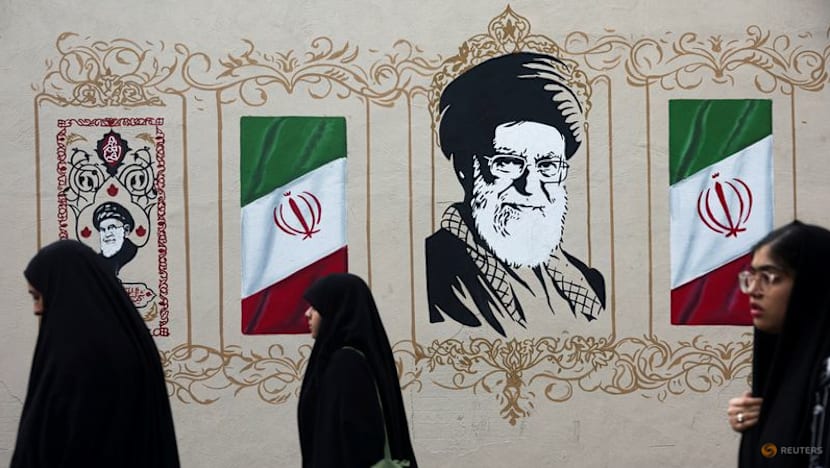
The key for energy markets will be how Iran responds to the sanctions. Iran has been belligerent in its messaging on social media but has not yet resumed missile and drone attacks on energy and other infrastructure in Gulf nations hosting US bases. Iran's crude exports have plummeted from an average of 1.75 million barrels per day to 255,000 bpd, the lowest level since May 2020.
This drop could potentially increase crude prices globally. However, the uncertainty surrounding Iran's response to the sanctions is likely to keep crude oil prices volatile.
Written by urgent.news from New Straits Times's reporting — not their text. Machine-written — may contain errors; check the original before relying on it.
This story
This is one outlet's version. Read the fullest account.