Iran vows to retaliate after US widens sanctions
Tehran says it is prepared to counter Washington's economic pressure as Pakistan seeks to prevent further escalation and reopen the Strait of Hormuz.
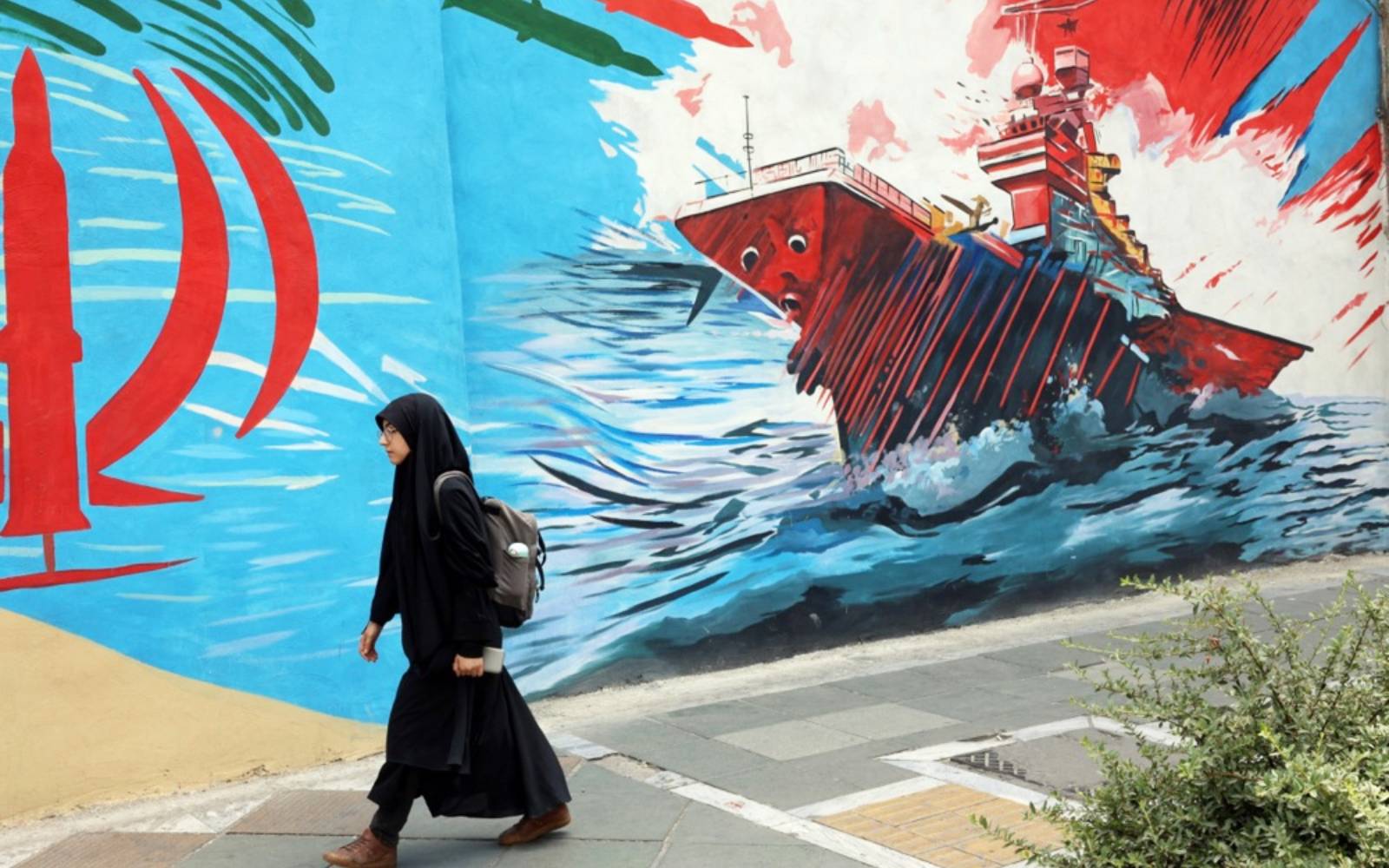
Nearly six months since US-Israel strikes on Iran, the nation has vowed to retaliate against the widening of US sanctions aimed at crippling the country's economy. Treasury Secretary Scott Bessent announced the measures on Monday, emphasizing that countries engaging in trade with Iran would face consequences, as they risk being expelled from the dollar-based financial system.
However, Bessent refrained from specifying which countries would be targeted or when the penalties would take effect, giving them time to comply with the directive.
Iran's economy minister, Ali Madanizadeh, pledged readiness for any US sanctions, stating that his country has its own tools to counter the economic pressure. He asserted that Iran would not be a passive victim and would retaliate against any threats to its infrastructure. Similarly, Brigadier General Hossein Mohebbi, a spokesman for Iran's Islamic Revolutionary Guard Corps, warned of heavy blows to US vital interests and energy chokepoints if the nation's interests were jeopardized.
Although Iran and the US signed an interim peace deal in June, the agreement quickly unraveled. The latest talks between Pakistan and Iran focused on preventing further escalation and reopening the Strait of Hormuz. However, there was little progress indicated, and the war continues without a diplomatic resolution.
The US administration appears to be relying on additional economic pressure to end the unpopular conflict, despite Iran's long history of enduring sanctions that have not deterred its leadership. Despite a lack of major strikes by either side in recent weeks, the ongoing war demonstrates limited signs of diplomatic resolution. The US seeks new methods to halt Iranian attacks on ships in the Gulf and Red Sea, particularly from its allies.
Iran maintains a sufficient missile and drone capability to attack Gulf neighbors and threaten oil tankers in the Strait of Hormuz.
The exact state of Iran's nuclear program, targeted by the US and Israel, remains unknown. Despite the high cost of the war, including the death of thousands, Iran has preserved its missile and drone capabilities to continue threatening the Gulf and oil tankers in the Strait of Hormuz. As for the Chinese oil trade with Iran, Bessent warned that no entity is immune to US sanctions, emphasizing the administration's determination to make clear that all entities are subject to scrutiny.
Written by urgent.news from Free Malaysia Today's reporting — not their text. Machine-written — may contain errors; check the original before relying on it.
This story
This is one outlet's version. Read the fullest account.
- Iran vows to retaliate after US widens sanctions al-monitor.com
- Trump unleashes swathe sanctions on Iran 'enablers' middleeasteye.net
- Iran vows to retaliate after US widens sanctions koreatimes.co.kr
- US announces new sanctions on Iran, threatens to punish countries, entities trading with it premiumtimesng.com
- Iran vows to retaliate after US widens sanctions channelnewsasia.com
- US ramps up economic pressure and sanctions on Iran english.ajel.sa
- Iran vows to retaliate after US widens sanctions freemalaysiatoday.com
- ‘They failed every time’: Iran predicts 'another defeat' for US after Washington's new sanctions hindustantimes.com