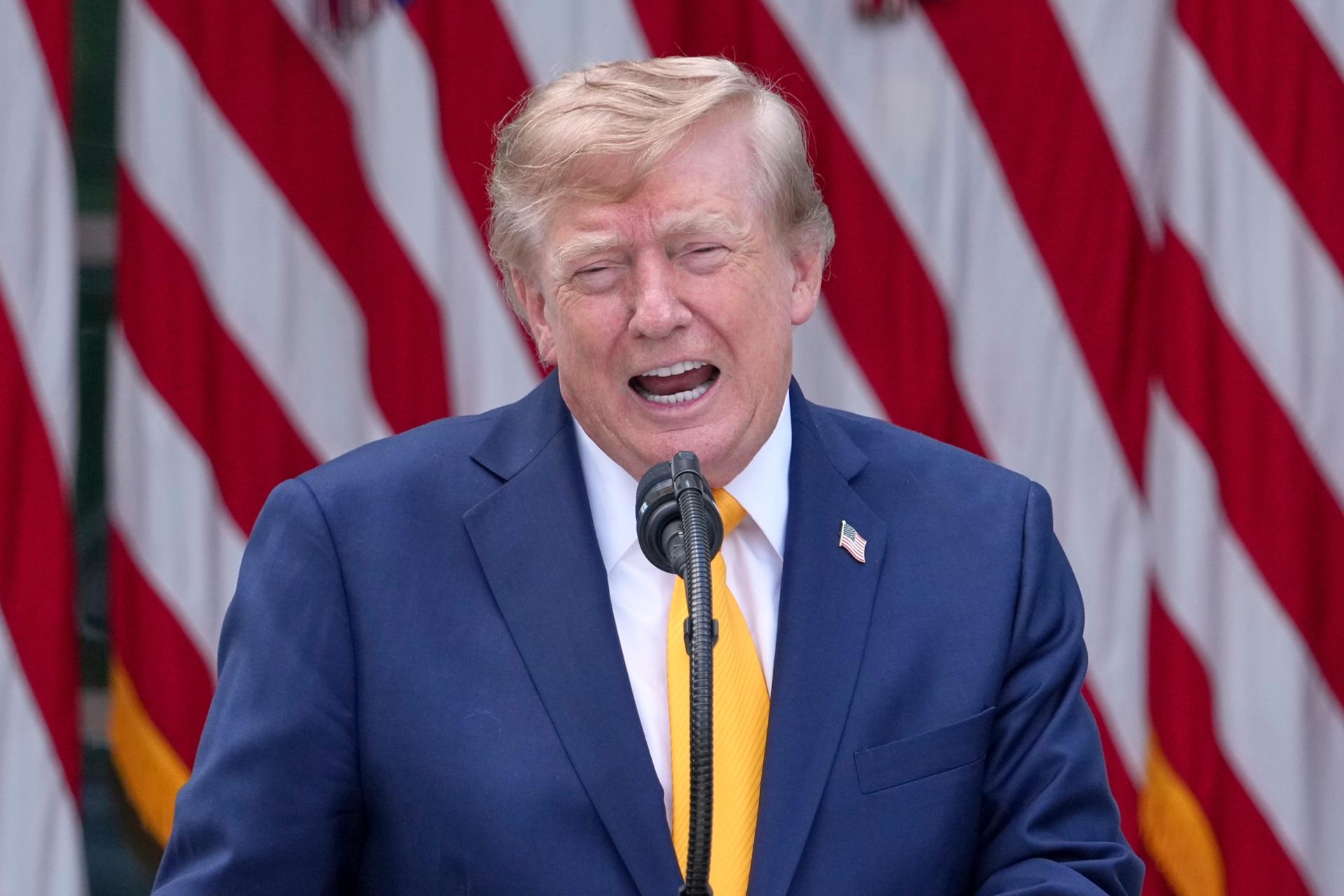
Iran is running out of money. Can Trump’s ‘economic D-Day’ force a deal?
Iran is running out of money. Can Trump outlast Tehran
Dubai: As the Iran conflict enters its sixth month, President Donald Trump may finally possess leverage over Tehran that has eluded him thus far. Iran's oil revenues are being constrained, its currency has plummeted to a dollar rate of over two million rials, and senior officials are openly warning that the economy cannot endure indefinite pressure.
In response, Washington is preparing to tighten the noose further with its newly announced "economic D-Day." Treasury Secretary Scott Bessent's initiative targets virtually every avenue through which money reaches Tehran, including oil sales, ship-to-ship transfers, covert financial transactions, and gold movements. However, this financial offensive is bolstered by American warships.
Trump escalates economic war on Iran: Can sanctions and oil blockade force Tehran to cave in? The US Navy is concurrently attempting to prevent Iran from exporting oil while escorting non-Iranian tankers through the Strait of Hormuz, a critical waterway near Oman. This dual strategy could potentially tip the scales in the ongoing conflict.
Earlier, Iran had a distinct advantage: it continued exporting crude oil while obstructing other nations' tankers from passing through Hormuz. Between February 28 and the ceasefire on April 8, Iran exported approximately 1.8 million barrels per day, surpassing its 2025 daily average of around 1.7 million barrels. Now, that advantage is waning.
Trump's 'economic D-Day' to choke Iran's economy: First, however, he must confront China. "We are not exporting oil," declared Abdolnaser Hemmati, governor of Iran's central bank. Mohammad Bagher Ghalibaf, Iran's parliament speaker and a powerful political figure, issued an even more dire warning, stating that "it is a reality we are not exporting oil."
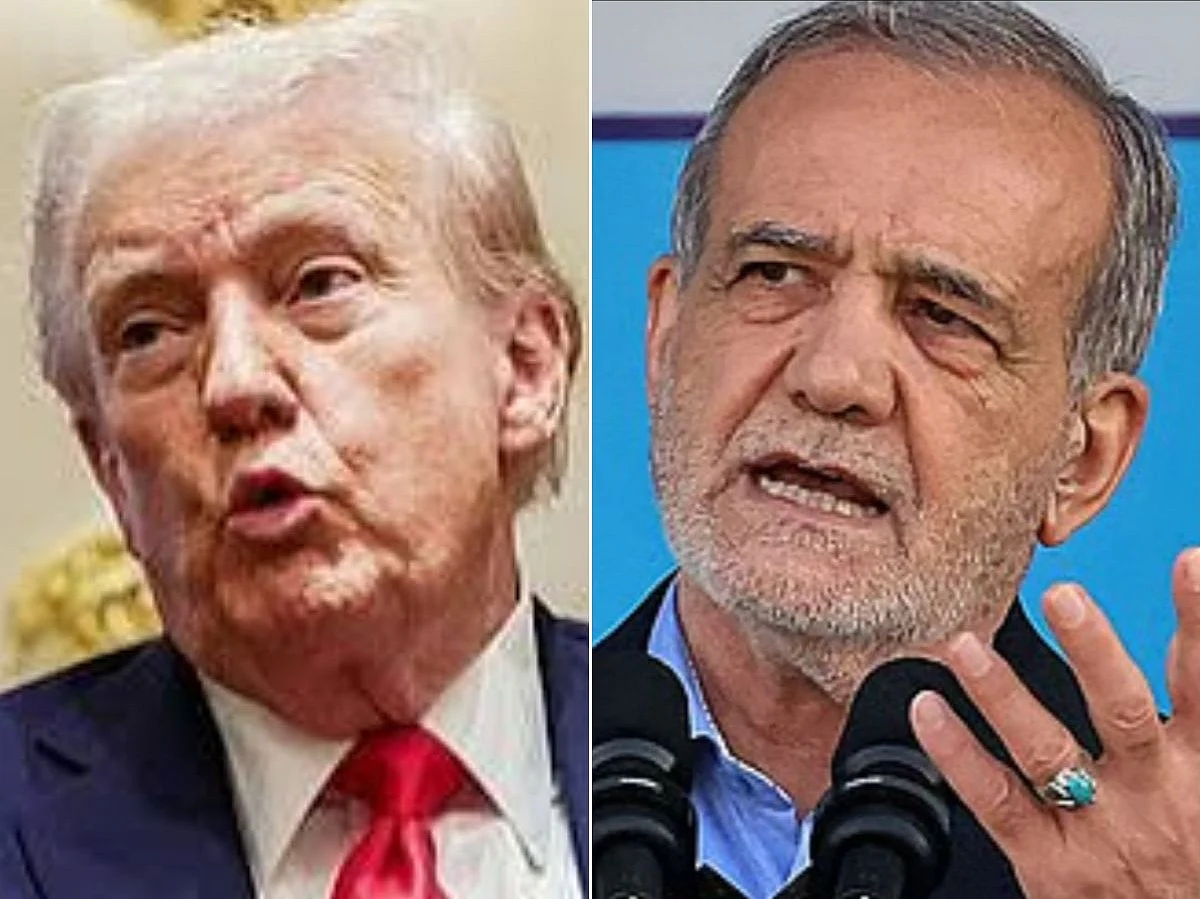
The central bank governor and prominent politician underscore Iran's desperate predicament, with the central bank governor noting the impossibility of sustaining the economy under such strain. Even Iran's newly elected president, Masoud Pezeshkian, suggested that ending the conflict while Iran remains in a position of "power and dignity" might be preferable.
Despite these economic challenges, Iran's military capabilities, including missiles and drones, still pose a threat. Meanwhile, the United States faces significant costs to maintain the blockade and safeguard commercial shipping in the strategically vital Strait of Hormuz. The USS Abraham Lincoln, which has spent over 270 days at sea without landing, is being relieved by the USS George Washington, leaving the US without a carrier in the Pacific.
This raises a critical question for Trump: can America sustain the pressure for longer than Iran can endure it? Tehran might believe that Washington's global military commitments eventually make the blockade untenable. Iran also retains the option of escalation, as its arsenal of ballistic missiles and drones allows it to threaten shipping or regional energy infrastructure, potentially driving up oil prices and increasing pressure on Washington and its Gulf partners to seek an agreement.
However, Iran's reliance on China remains a potential avenue for escape. China purchased more than 80% of Iran's exported oil in 2025, making Chinese cooperation crucial for Washington's efforts to sever Tehran's remaining economic ties. Yet, Treasury Secretary Bessent avoided mentioning China when threatening secondary sanctions against countries doing business with Iran.
This omission is significant. If Washington aims to further reduce Chinese purchases of Iranian crude, it may need to confront Beijing directly. The situation presents a dangerous endgame for Trump: he has more leverage over Iran than at any other point in the conflict, but leverage alone does not guarantee victory. Iran must decide how much economic pain it can tolerate before making concessions, while Washington must determine how long it can sustain this demanding naval operation.
Written by urgent.news from Gulf News's reporting — not their text. Machine-written — may contain errors; check the original before relying on it.